New Construction Home Virginia Beach – Complete Guide
Building a new construction home in Virginia Beach offers the opportunity to create a living space tailored to your lifestyle, preferences, and long-term needs. Whether you’re planning a primary residence or a coastal retreat, understanding your options is the first step toward building your ideal home.
There are four main types of new construction homes in Virginia Beach to consider:
- Fully Custom New Construction Homes: Homes designed from the ground up to reflect your vision and preferences.
- Build-on-Your-Lot Custom Homes: Personalized homes constructed on land you already own or plan to purchase.
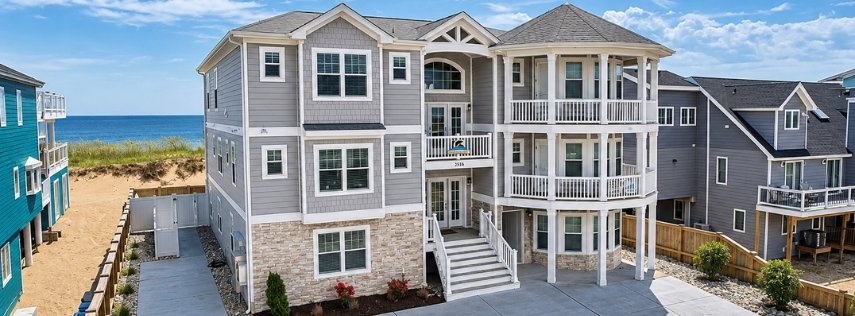
- Coastal and Oceanfront Custom Homes: Homes designed for waterfront living and coastal conditions.
- Custom Vacation and Rental Homes: Properties designed for seasonal getaways, guest accommodations, or rental opportunities.
Read on to explore the benefits, costs, neighborhoods, and construction process involved in building a new home in Virginia Beach.
Types of New Construction Homes in Virginia Beach
Homebuyers in Virginia Beach have several options when planning a new construction home. The right approach depends on the property’s location, how the home will be used, and the homeowner’s design preferences. Exploring these options can help you determine which construction approach best supports your goals.
Fully Custom New Construction Homes
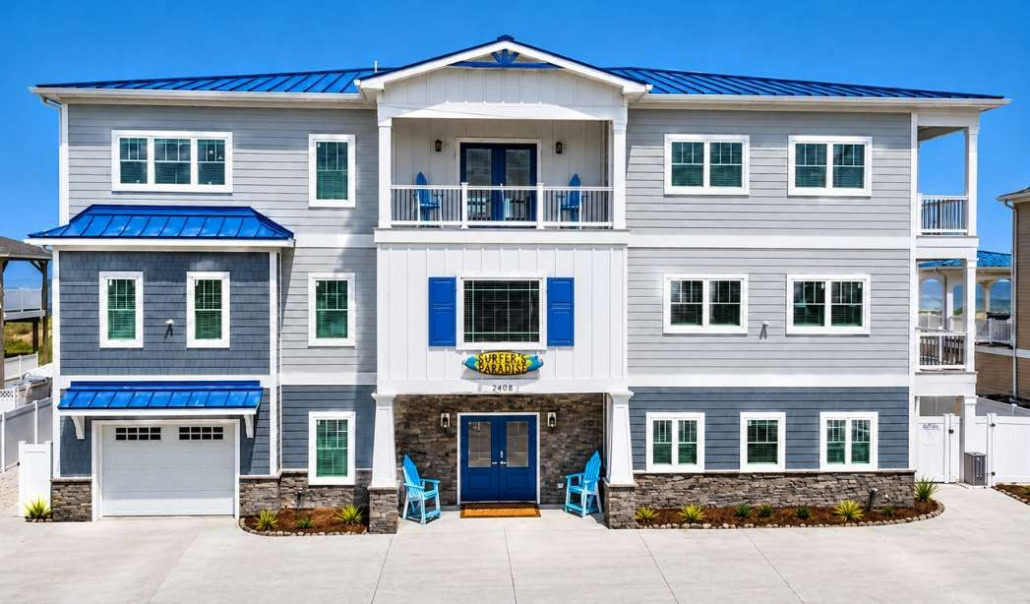
A fully custom home gives homeowners the freedom to create a residence that reflects their individual needs and preferences without relying on standard floor plans.
From the home’s architectural appearance and interior layout to building materials, finishes, and outdoor amenities, nearly every element can be tailored to the owner’s vision.
This option is especially beneficial for homeowners interested in multigenerational accommodations, dedicated workspaces, accessible living areas, or customized recreational spaces. Partnering with a knowledgeable builder helps balance these design preferences with construction feasibility, property limitations, and available budgets.
Build-on-Your-Lot Custom Homes
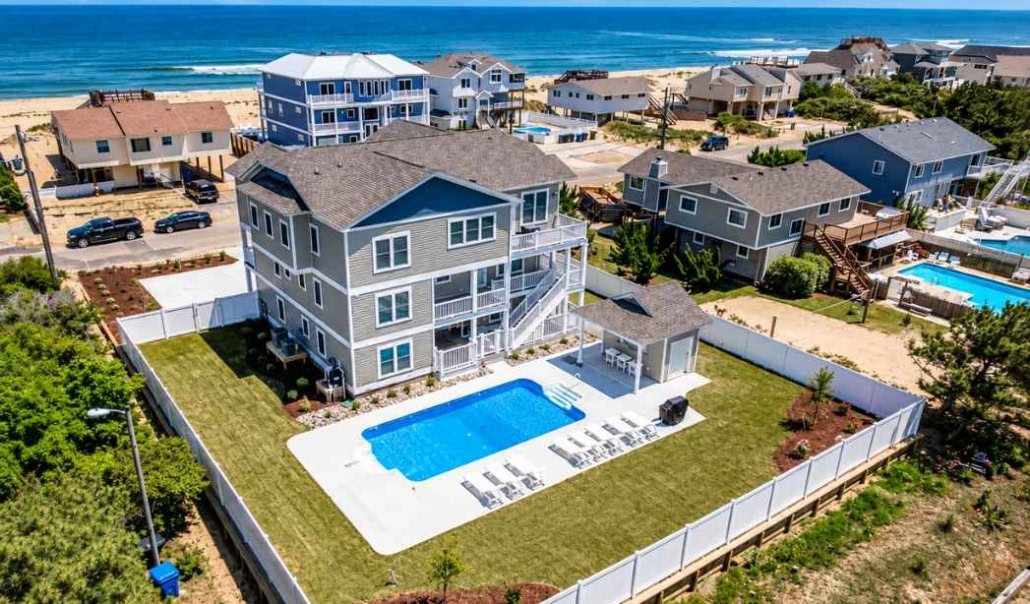
Building on your own lot provides the opportunity to construct a home specifically designed for property you already own or are considering purchasing.
However, the land must be assessed before architectural plans are finalized. Important considerations include local zoning regulations, setback requirements, ground conditions, stormwater drainage, access to utilities, and construction site accessibility.
These characteristics can affect the home’s placement, structural design, foundation specifications, and overall project expenses.
For buyers who have already identified an ideal neighborhood or property, this approach offers the flexibility to create a residence that complements the location.
Coastal and Oceanfront Custom Homes
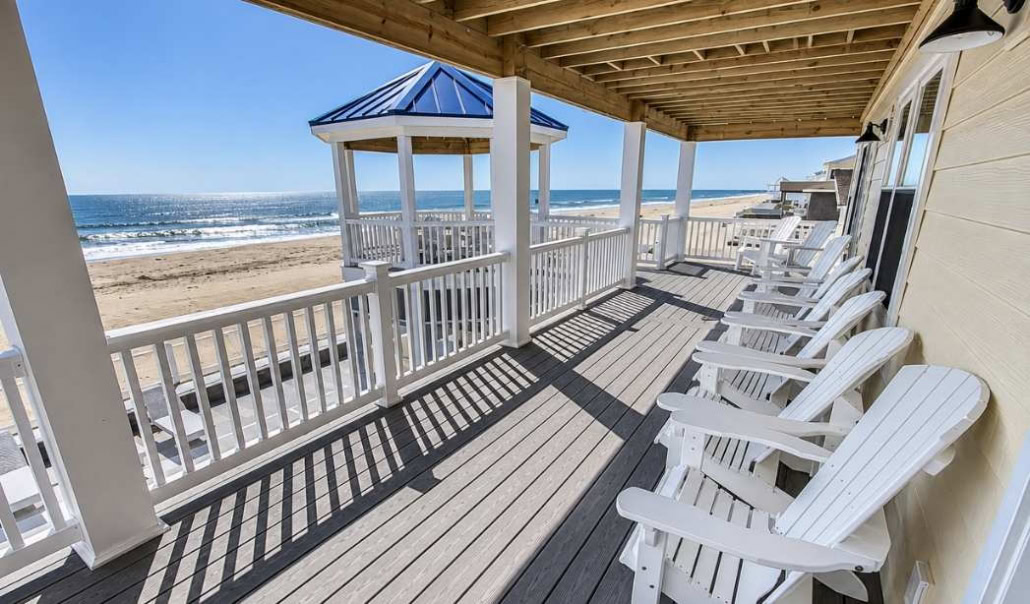
Building a new construction home in Virginia Beach along the coast requires a thoughtful approach that balances waterfront living with the environmental challenges of the shoreline.
Properties near the Atlantic Ocean and Chesapeake Bay may be subject to floodplain regulations, elevated foundation requirements, and additional structural considerations. Building materials must also be selected to withstand coastal winds, humidity, and salt air.
Homeowners often incorporate features such as panoramic windows, spacious balconies, elevated living areas, and outdoor gathering spaces to make the most of the surrounding views.
A well-designed coastal home combines these lifestyle features with appropriate engineering and compliance with local building standards.
Custom Vacation and Rental Homes
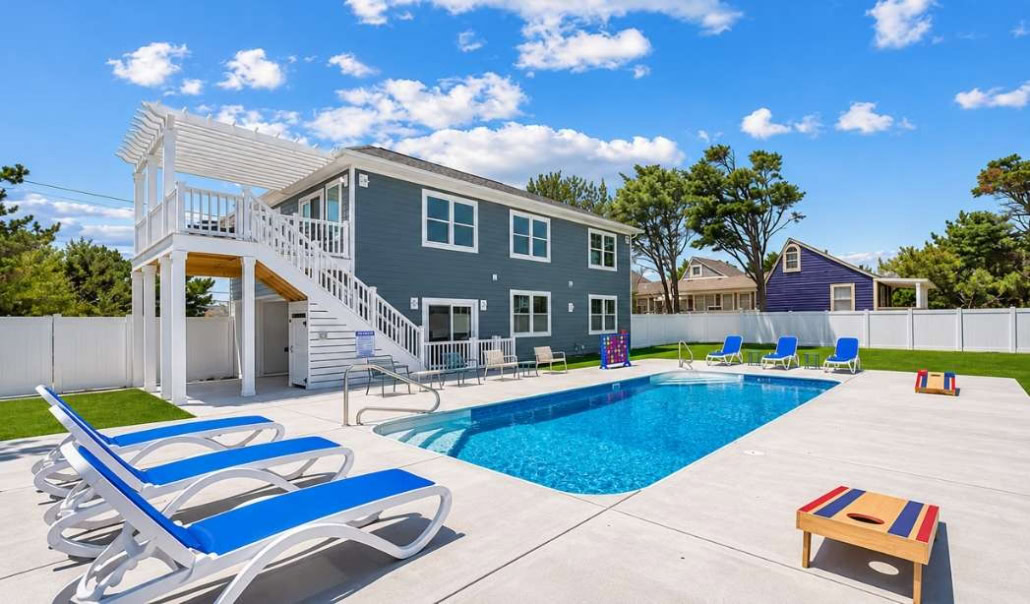
Vacation and rental properties are designed to accommodate temporary stays, extended family visits, and gatherings while providing comfort and convenience for multiple occupants.
Depending on the owner’s goals, these homes may include private bedroom suites, open gathering spaces, large kitchens, recreational rooms, swimming pools, and elevators. Materials and finishes that withstand frequent use can also help simplify ongoing property maintenance.
Homeowners planning to offer short-term accommodations must consider local regulations before proceeding. In Virginia Beach, eligible short-term rental properties require an annual zoning permit before reservations can be accepted, and additional restrictions may apply based on the property’s location.
Considering guest capacity, parking availability, storage requirements, and maintenance needs during the planning process helps create a property that functions effectively for both personal use and rental purposes.
Benefits of Building a New Construction Home
Choosing to build a new home in Virginia Beach provides homeowners with greater control over their living environment compared to purchasing an existing house. From customized floor plans to energy-efficient systems and modern amenities, new construction offers the flexibility to create a home that meets both current preferences and long-term needs.
Personalized Floor Plans and Design
Custom home construction allows you to shape your living space according to your lifestyle rather than adjusting to the limitations of an existing property.
Homeowners can determine room dimensions, ceiling heights, storage solutions, and the overall arrangement of interior spaces.
Whether your priorities include a spacious kitchen that connects to the living room, a private home office, or outdoor areas designed for entertaining, new construction makes it possible to incorporate these elements into the original architectural plans.
Modern Materials and Energy Efficiency
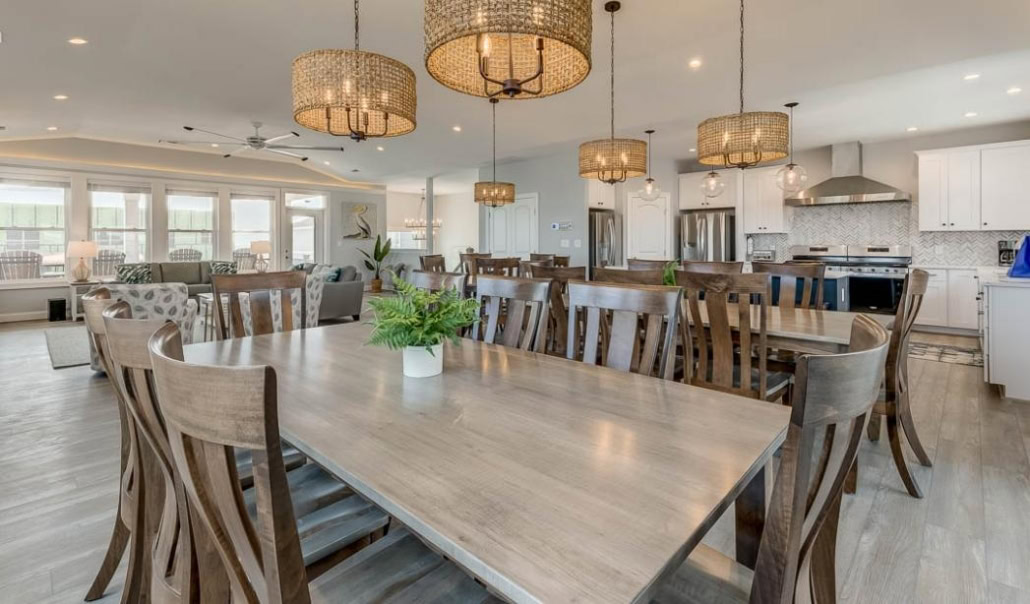
A newly built home can benefit from advances in construction materials, insulation techniques, and energy-efficient building systems.
Features such as insulated windows, properly sealed building envelopes, and efficient heating and cooling equipment can help maintain consistent indoor temperatures while limiting unnecessary energy consumption.
Selecting materials appropriate for Virginia Beach’s humidity and coastal weather conditions can also support the home’s durability and long-term performance.
Lower Initial Maintenance Requirements
Newly constructed homes typically require fewer immediate repairs because essential components, including the roof, plumbing, electrical wiring, and HVAC equipment, are newly installed.
Unlike older properties that may need significant system replacements or renovations, new construction allows homeowners to begin with updated infrastructure.
Depending on the builder and selected products, warranties may also cover certain materials, equipment, or workmanship. However, routine inspections and preventive maintenance are still necessary to preserve the home’s condition.
Modern Home Features and Technology
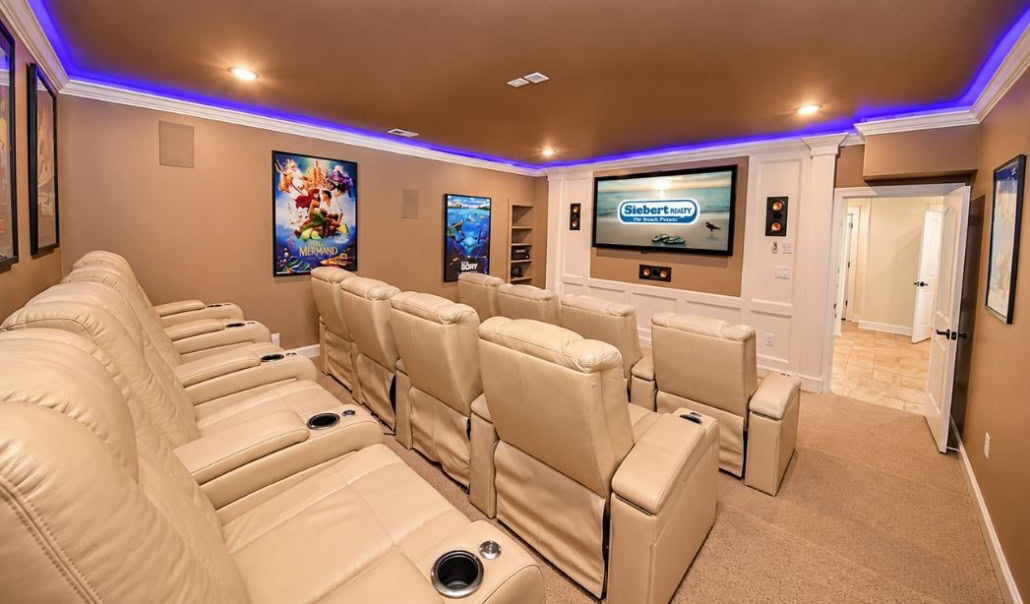
Constructing a home from the beginning creates opportunities to integrate technology directly into its design and infrastructure.
Homeowners can incorporate smart climate controls, automated lighting, home security equipment, structured network wiring, and provisions for electric vehicle charging.
Planning these systems before construction is completed can simplify installation, improve convenience, and reduce the need for future renovations.
Long-Term Comfort and Functionality
A custom-built home can be designed to accommodate changing household needs, making it a practical investment in everyday comfort and usability.
Homeowners may choose adaptable rooms, main-level primary bedrooms, wider entryways, or bathrooms designed with accessibility in mind.
Considering these features during the design phase can reduce the need for extensive alterations later, allowing the home to remain functional as family circumstances and lifestyle preferences evolve.
Best Areas for New Construction Homes in Virginia Beach
Virginia Beach features a variety of neighborhoods for homeowners interested in building a custom residence. From beachfront communities and waterfront properties to quiet suburban streets and rural landscapes, each area offers a distinct lifestyle and factors to consider before starting construction.
Sandbridge and Croatan
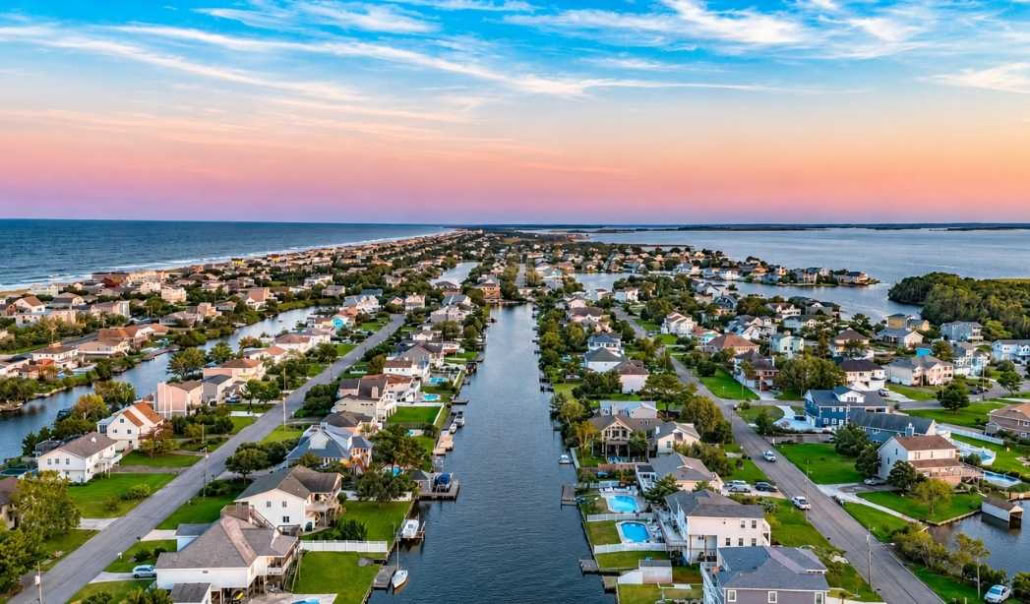
For homeowners who want to live near the ocean, Sandbridge and Croatan offer appealing locations with easy access to Virginia Beach’s coastline.
Sandbridge features a peaceful beachfront setting with oceanfront residences and custom-built vacation properties. Situated just south of Rudee Inlet, Croatan is an established residential community known for its proximity to the Atlantic Ocean.
When planning construction in either area, it’s important to consider floodplain regulations, required building elevations, and structural designs that can withstand coastal weather conditions.
North End and Bay Colony
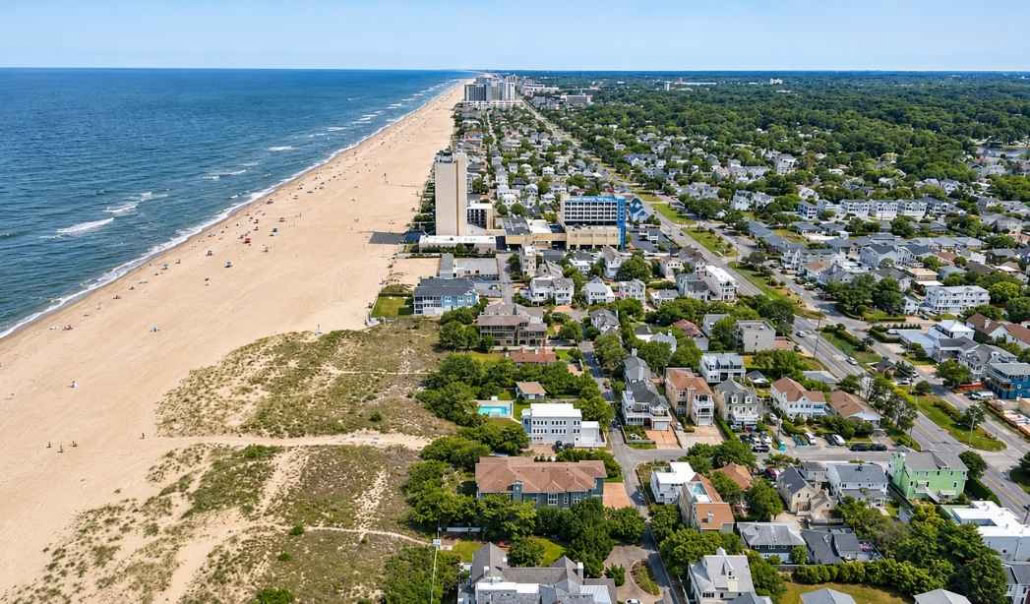
North End and Bay Colony are appealing locations for building a new construction home in Virginia Beach, particularly for homeowners seeking privacy, established neighborhoods, and convenient access to the coast.
Quiet residential streets sit close to the Atlantic Ocean, while Bay Colony offers mature trees, spacious lots, and distinctive custom-built homes.
Since vacant properties may be limited in these neighborhoods, some buyers choose to purchase an existing residence for demolition and rebuilding. Before starting a project, it’s important to review lot dimensions, property setbacks, and applicable zoning regulations to ensure the proposed home meets local requirements.
Great Neck and Chic’s Beach
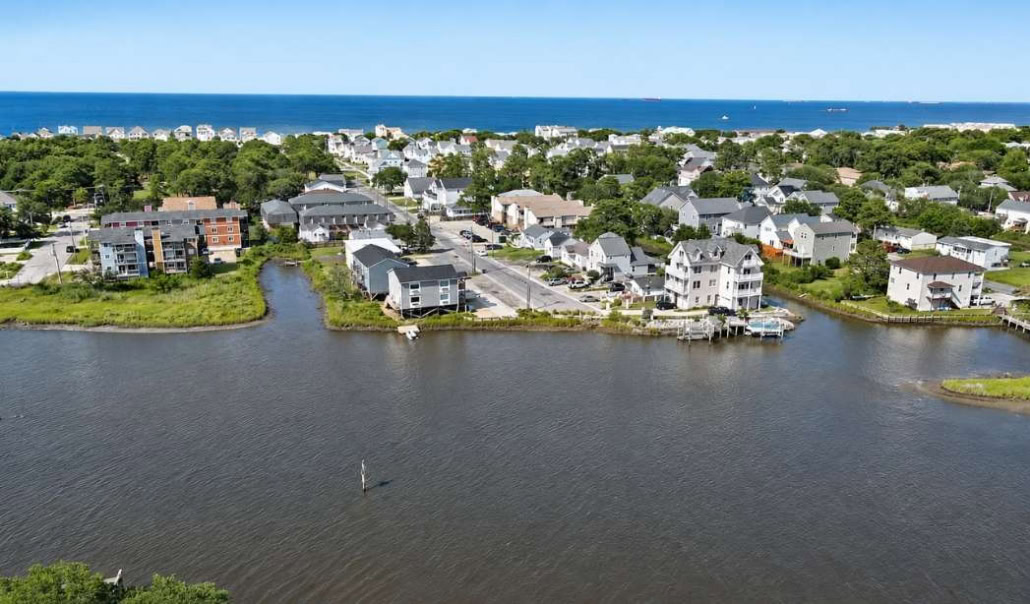
Great Neck and Chic’s Beach offer opportunities to build custom homes in communities surrounded by Virginia Beach’s natural waterways.
Properties throughout Great Neck feature mature residential neighborhoods, wooded lots, and locations near the Lynnhaven River and its connecting waterways.
Chic’s Beach, located along the Chesapeake Bay, provides a laid-back coastal atmosphere with nearby beaches and waterfront living opportunities.
Construction considerations vary by lot, making it important to assess drainage, flood risks, and available building space before developing architectural plans.
Pungo and Southern Virginia Beach
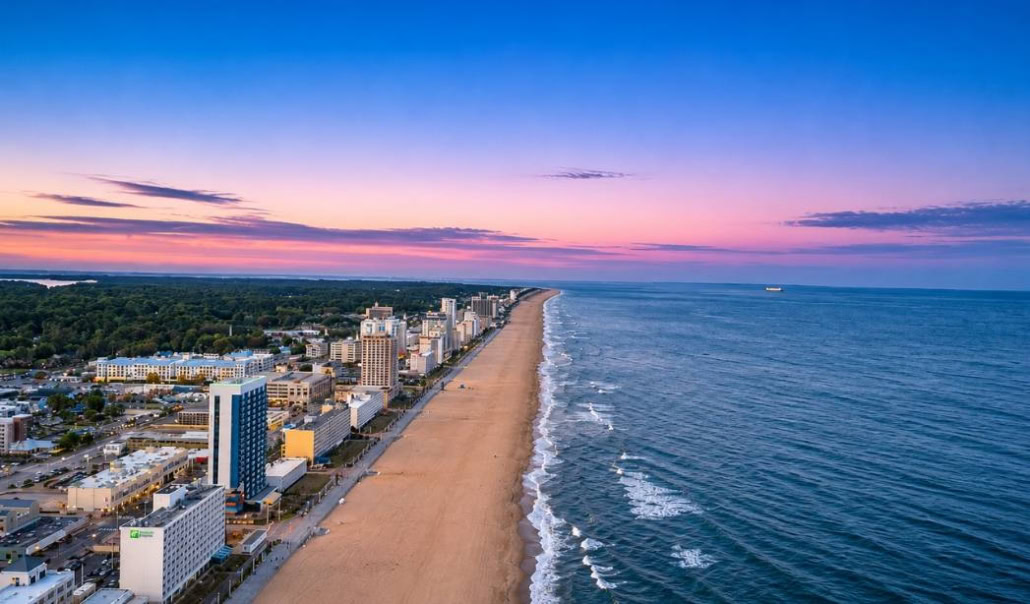
Homeowners interested in more open space and a rural environment may find Pungo and southern Virginia Beach particularly appealing.
Known for their agricultural landscapes and quieter surroundings, these areas may offer properties suitable for spacious custom homes, outdoor entertaining areas, gardens, and additional structures where zoning allows.
However, building on rural land can involve unique challenges. Agricultural zoning classifications, septic system requirements, utility availability, wetlands, and floodplain regulations can influence what can be constructed.
A thorough property assessment is essential to determine whether the land can support the proposed home before making a purchase.
How Much Does a New Construction Home Cost in Virginia Beach?
The cost of building a new construction home in Virginia Beach depends on the property’s location, home size, architectural design, and construction requirements. Understanding these expenses early helps homeowners establish realistic budgets and avoid unexpected costs.
Average New Home Construction Costs
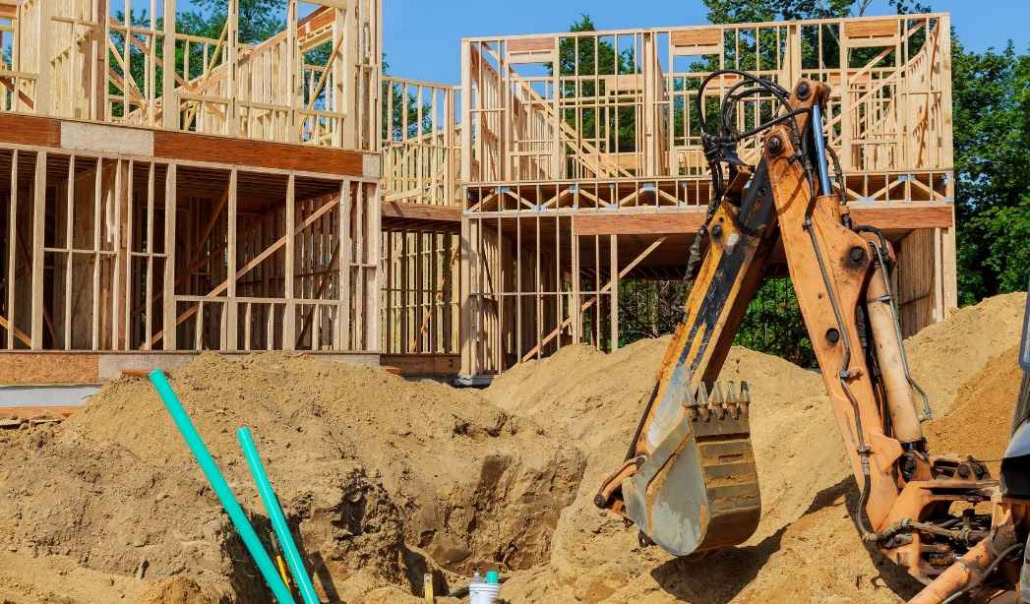
Building a home in Virginia Beach generally costs between $150 and $400 or more per square foot, according to RBC Homes’ published estimates.
For a 2,500-square-foot home, that translates to approximately $375,000 to $1 million or more in construction expenses, excluding land and certain development costs.
Standard homes typically fall toward the lower end, while fully custom residences with specialized designs, premium finishes, and coastal construction requirements can exceed the upper range.
These figures are general planning estimates, not guaranteed 2026 construction prices. For a more detailed breakdown, explore our guide to building costs in Virginia Beach.
Factors That Influence Construction Pricing
Several factors determine the final cost of a new construction home:
- Home Size and Layout: Larger homes and complex architectural designs generally require more materials and labor.
- Materials and Finishes: Custom cabinetry, specialty windows, premium flooring, and other upgrades increase expenses.
- Coastal Requirements: Flood-resistant foundations, elevation requirements, and corrosion-resistant materials can raise construction costs.
- Custom Features: Swimming pools, elevators, outdoor kitchens, and expansive decks add to the overall investment.
Land Acquisition and Site Preparation Costs
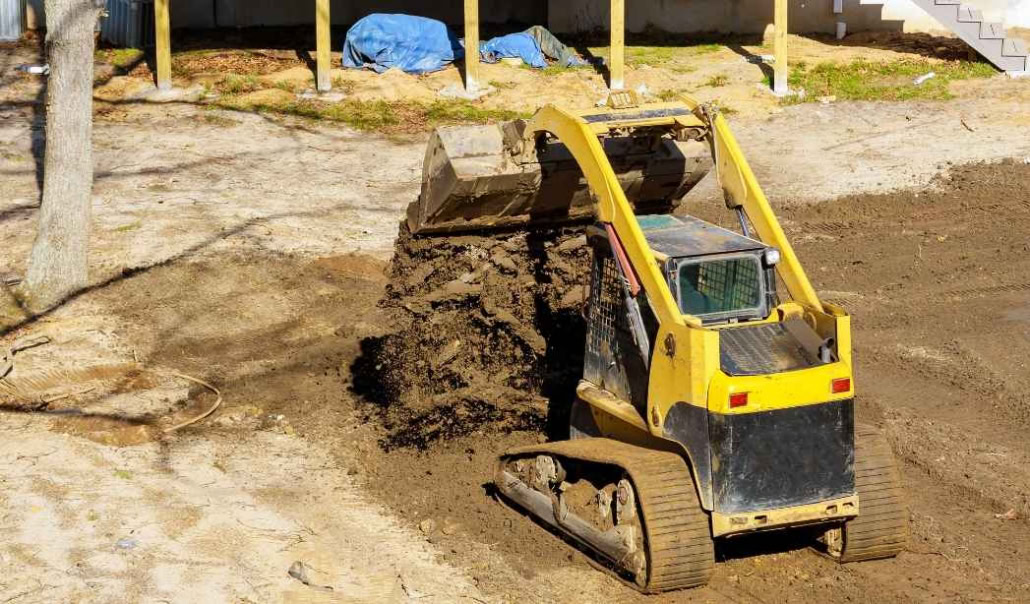
Purchasing land is often one of the largest expenses outside construction itself. Waterfront properties and desirable established neighborhoods can command significantly higher prices than inland locations.
Site preparation adds another layer of costs. Clearing vegetation, grading, soil testing, drainage improvements, and demolition may be necessary before construction begins.
Properties in designated flood zones may also require elevated foundations or specialized engineering.
Permits, Utilities, and Additional Expenses
New home construction in Virginia Beach requires building permits, inspections, and applicable trade permits. Additional approvals may be necessary for properties affected by floodplain or environmental regulations.
Homeowners should also account for architectural plans, engineering, utility connections, and construction financing.
For example, Virginia Beach lists standard residential water and sewer capital recovery fees totaling $5,421 when both full fees apply, excluding additional connection and installation expenses.
How to Establish a Realistic Construction Budget
Begin by identifying your total available budget, including land, construction, site preparation, permits, and finishing expenses.
Request a detailed estimate that clearly identifies included work, allowances, and potential additional charges.
Set aside a 10%–20% contingency reserve for unexpected site conditions, material price changes, or design adjustments.
Working with an experienced local builder can help you evaluate costs, prioritize features, and develop a construction plan that aligns with your financial goals.
The New Home Construction Process in Virginia Beach
Building a new construction home in Virginia Beach involves several stages, from initial planning and architectural design to construction and final inspections. Understanding each step helps homeowners prepare for important decisions, manage expectations, and stay informed throughout the project.
Initial Consultation and Budget Planning

The process begins with a consultation to discuss your vision, preferred location, budget, and desired features.
Your builder will review the project’s scope, identify potential challenges, and help establish preliminary cost expectations. This is also an opportunity to discuss construction timelines, financing, and priorities before committing to a design.
Property Evaluation and Architectural Design
Before finalizing architectural plans, the property must be evaluated for zoning, setbacks, drainage, soil conditions, utilities, and site accessibility.
For coastal properties, flood elevations and environmental restrictions may influence the design.
Architectural plans are then developed to establish the home’s layout, dimensions, structural features, and exterior appearance while aligning with the budget and site requirements.
Permits and Pre-Construction Preparation

New residential construction requires building permits from the City of Virginia Beach.
Plans are submitted for review, and additional approvals may be necessary for properties within designated flood zones or Chesapeake Bay Preservation Areas.
Once the required permits are issued, the builder can coordinate site preparation, material deliveries, subcontractors, and construction scheduling.
Foundation, Framing, and Structural Construction
The physical construction phase starts with preparing the building site, excavating the ground, and laying the foundation.
Foundation specifications are determined by the property’s characteristics and structural engineering requirements. In certain coastal locations, elevated foundations may be needed to comply with floodplain regulations.
Once the foundation is complete, construction teams assemble the home’s structural framework, install the roof, and build the exterior walls. Plumbing, electrical wiring, and HVAC systems are added as the project advances. Required inspections take place before these installations are enclosed.
Interior Finishes and Final Inspections

After the home’s structure and primary systems are completed, attention shifts to the interior. This stage includes installing insulation, drywall, flooring, kitchen cabinets, countertops, lighting fixtures, and other finishing details.
Meanwhile, exterior improvements, landscaping, and outdoor amenities are completed based on the construction schedule.
Throughout the process, the City of Virginia Beach conducts required inspections to confirm that construction meets applicable building codes and safety standards.
Final Walkthrough and Move-In
As construction approaches completion, the builder and homeowner conduct a final walkthrough to examine the finished property, check installed systems, and identify any items that need correction or additional attention.
The construction team resolves outstanding issues, reviews warranty coverage and recommended maintenance practices, and ensures all necessary inspections and occupancy approvals have been obtained.
With these final steps completed, homeowners can prepare to move into their newly built residence.
How Long Does It Take to Build a New Construction Home?
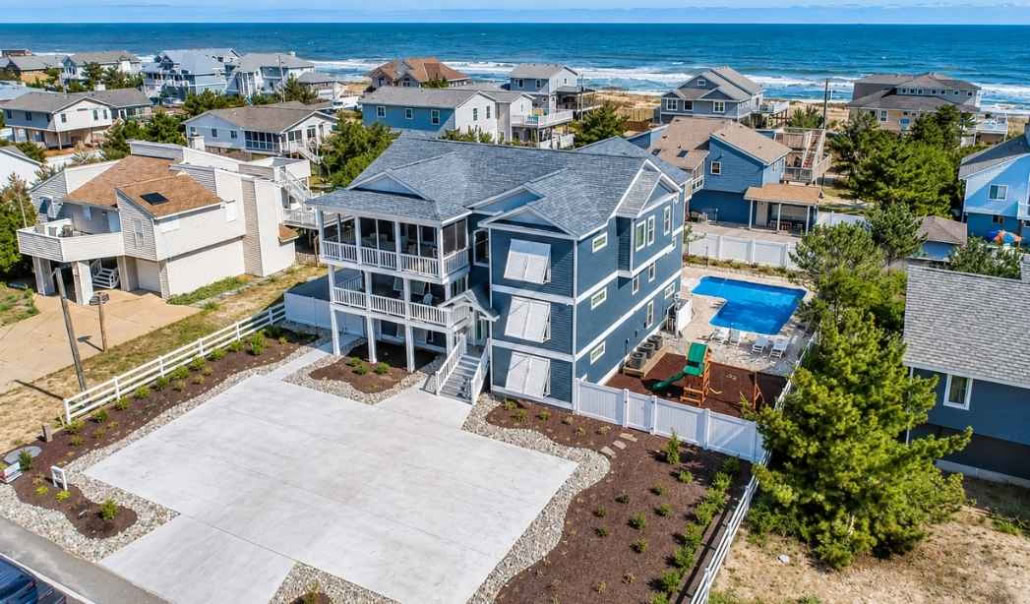
Building a new construction home in Virginia Beach typically takes 9 to 16 months, including planning, permitting, and construction. However, the exact timeline depends on the home’s size, design complexity, property conditions, and required approvals.
Average New Home Construction Timeline
According to RBC Homes, the construction process generally involves two major stages:
- Pre-Construction (2–4 Months): Property evaluation, architectural design, engineering, budgeting, and permitting.
- Physical Construction (7–12 Months): Site preparation, foundation work, framing, mechanical installations, interior finishes, and final inspections.
These are estimated timeframes, and larger custom homes or complex coastal properties may require additional time.
Factors That Can Delay Construction
Several factors can affect the construction schedule, including:
- Weather Conditions: Heavy rainfall, coastal storms, and high winds can interrupt construction.
- Permitting and Inspections: Additional reviews or required corrections may extend approval timelines.
- Material Availability: Custom windows, cabinetry, and specialty finishes may have longer delivery times.
- Design Changes: Modifications after construction begins can require additional labor, materials, and approvals.
How to Prepare for the Building Process
Start planning early and work with an experienced Virginia Beach home builder to establish realistic expectations.
Finalize major design decisions, approve material selections on schedule, and maintain regular communication throughout construction.
It’s also wise to allow flexibility in your anticipated move-in date to accommodate unexpected delays.
For a detailed breakdown of each phase, read our guide on how long it takes to build a house in Virginia Beach.
How to Choose the Right New Construction Home Builder
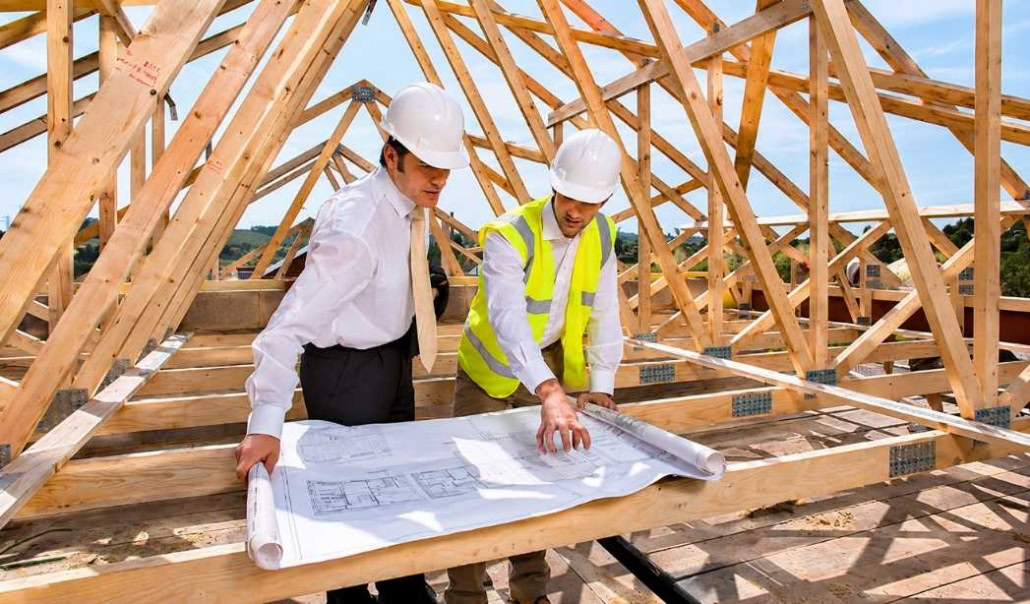
Choosing the right new construction home builder in Virginia Beach is essential to a successful project. An experienced builder can help you navigate local regulations, manage construction costs, and turn your vision into a well-built home.
Verify Licensing and Local Experience
Before hiring a home builder, verify that they have a valid Virginia contractor license with the proper classification for your project. The Virginia Department of Professional and Occupational Regulation provides resources to check licensing status, professional credentials, and disciplinary records.
Prioritize builders familiar with Virginia Beach’s coastal environment, local building regulations, floodplain restrictions, and permitting processes.
Review Completed New Construction Projects
Examine the builder’s portfolio to evaluate architectural styles, craftsmanship, and experience with projects similar to yours.
Look beyond photographs by asking about construction challenges, design decisions, and completed features. Speaking with previous clients can also provide valuable insight into communication, project management, and overall satisfaction.
Compare Construction Estimates and Contracts
When planning a new construction home in Virginia Beach, request detailed written estimates from prospective builders that outline anticipated construction costs, material allowances, excluded services, and payment terms.
To make an informed decision, compare proposals that include the same scope of work and construction specifications. Before signing a contract, review the estimated project timeline, payment schedule, procedures for handling design changes, and responsibilities for securing permits and coordinating inspections.
Understand Warranties and Quality Standards
Before selecting a builder, clarify which warranties apply to construction workmanship, structural elements, and major home systems.
Pay attention to warranty durations, coverage limitations, and the process for addressing defects or requesting repairs. Virginia law also establishes certain implied warranty protections for qualifying newly constructed homes, although specific terms may vary depending on the agreement and circumstances.
Choose a builder who can explain their quality control procedures, construction practices, and approach to maintaining consistent workmanship throughout the building process.
Ask the Right Questions Before Hiring a Builder
Before making your decision, ask prospective builders:
- Who will oversee construction and communicate project updates?
- How are unexpected expenses and design changes handled?
- What experience do you have with coastal construction?
- Can you provide references from recent homeowners?
- What happens if construction falls behind schedule?
Clear answers help establish realistic expectations and determine whether the builder is the right fit for your project.
Common Mistakes to Avoid When Building a New Home
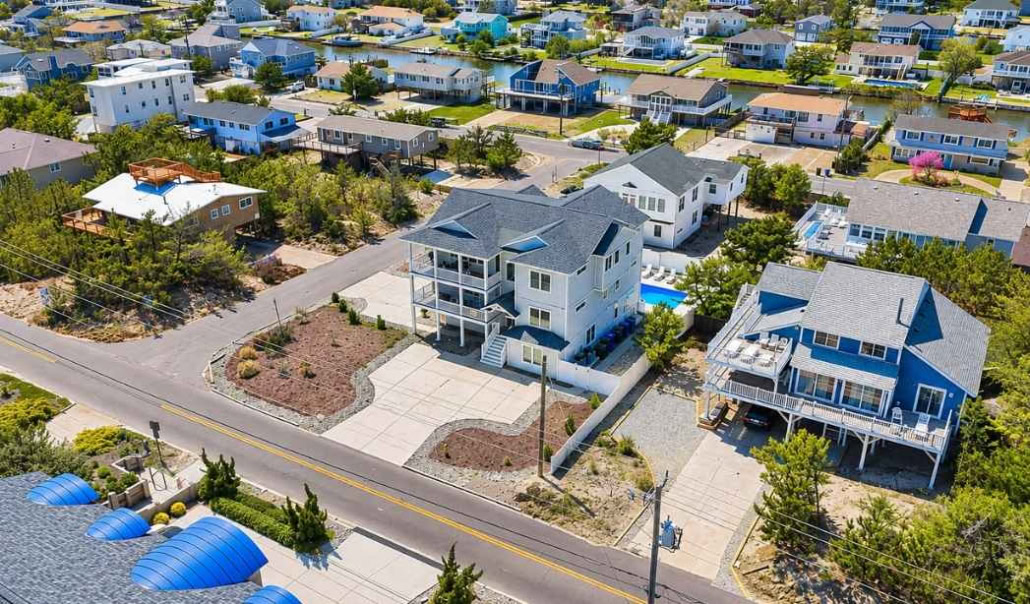
Building a new construction home in Virginia Beach requires careful planning. Avoiding these common mistakes can help homeowners control costs, prevent delays, and make informed decisions throughout the project.
Purchasing Land Without Evaluating Buildability
Not every vacant property is suitable for your intended home. Zoning restrictions, building setbacks, soil conditions, wetlands, and utility availability can limit construction possibilities.
Before purchasing land, consult a local builder and verify whether the property can accommodate your proposed design.
Underestimating Construction Costs
Building a new home involves more than the construction expenses alone. Failing to consider the full scope of the project can result in budget overruns and unexpected financial pressure.
Additional costs may include site preparation, architectural services, building permits, utility installations, landscaping, and custom upgrades. Developing a detailed budget that includes a contingency fund can help homeowners manage unexpected expenses without compromising important features.
Overlooking Coastal Construction Requirements
Constructing a home in Virginia Beach requires careful consideration of the area’s coastal climate and environmental conditions.
Depending on the property’s location, floodplain regulations may require elevated foundations, specialized structural designs, or additional permits. Exposure to strong winds, humidity, and saltwater can also affect the durability and performance of building materials.
Addressing these factors during the planning stage helps ensure the home’s design meets applicable requirements while reducing the risk of construction delays and unexpected modifications.
Choosing a Builder Based on Price Alone
Choosing a builder for your new construction home in Virginia Beach based solely on the lowest price can lead to unexpected complications during the building process.
A lower estimate may indicate differences in material quality, fewer included services, or allowances that don’t fully account for your project’s requirements. These discrepancies can result in additional costs and potential delays as construction moves forward.
Rather than focusing exclusively on price, consider each builder’s experience, portfolio of completed homes, communication approach, and contract terms. Look for a construction team with a demonstrated ability to deliver high-quality homes that align with your design preferences, budget, and project expectations.
Making Major Design Changes During Construction
Revising important design elements after construction has started can disrupt the building schedule and increase the overall project cost.
Changes to structural layouts, room configurations, or selected materials may require additional labor, revised plans, or new material orders.
To minimize these complications, carefully review and approve architectural drawings, finishes, and major features before work begins. If adjustments become necessary, discuss their financial and scheduling impact with your builder and document the changes in writing before proceeding.
Explore New Construction Homes Built by RBC Homes
RBC Homes has built custom residences throughout Virginia Beach, combining personalized designs with features suited to coastal living. Explore three completed projects that demonstrate the possibilities of new home construction.
Sandfiddler
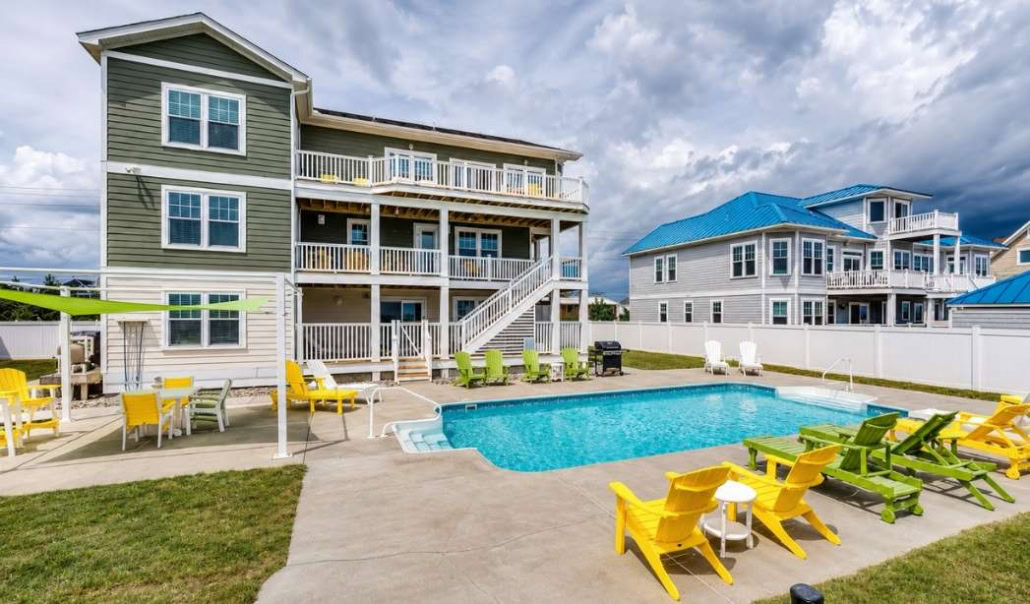
Located in Sandbridge, Sandfiddler is an eight-bedroom, eight-and-a-half-bathroom oceanfront home designed for large gatherings.
The residence features a gourmet kitchen, spacious living areas, and multiple decks overlooking the Atlantic Ocean. Additional amenities include a private pool, home theater, game room, shuffleboard court, and elevator.
Its thoughtful layout balances shared entertainment spaces with private bedroom suites.
A License to Chill
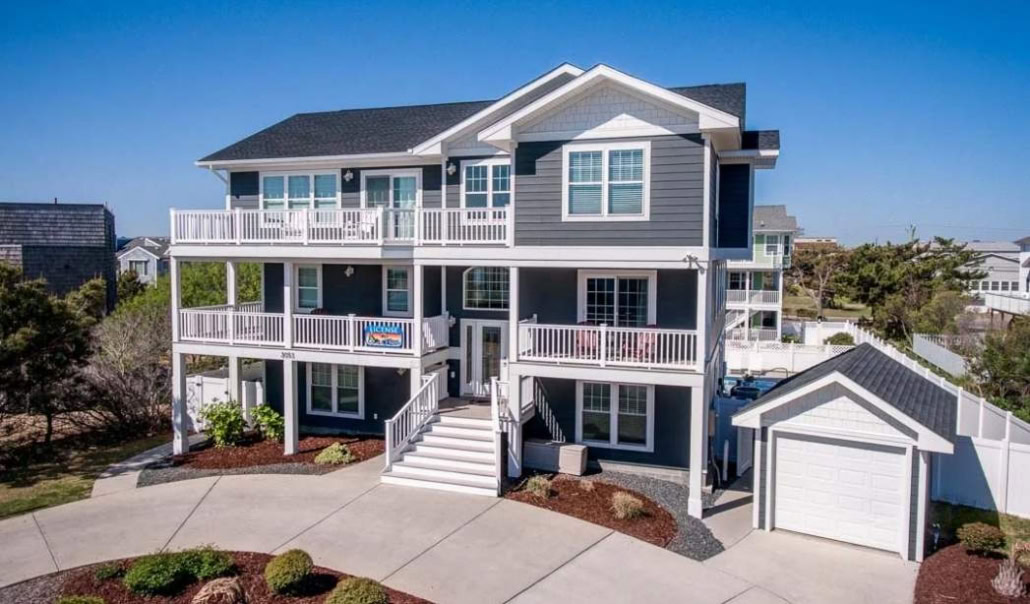
A License to Chill demonstrates how custom construction can accommodate large families and vacation groups.
This three-level coastal home features expansive decks, a spacious great room, and a kitchen with custom cabinetry and granite countertops.
An elevator connects the floors, while a recreation room, private swimming pool, hot tub, and outdoor cabana bar provide multiple spaces for relaxation and entertainment.
Bellissimo
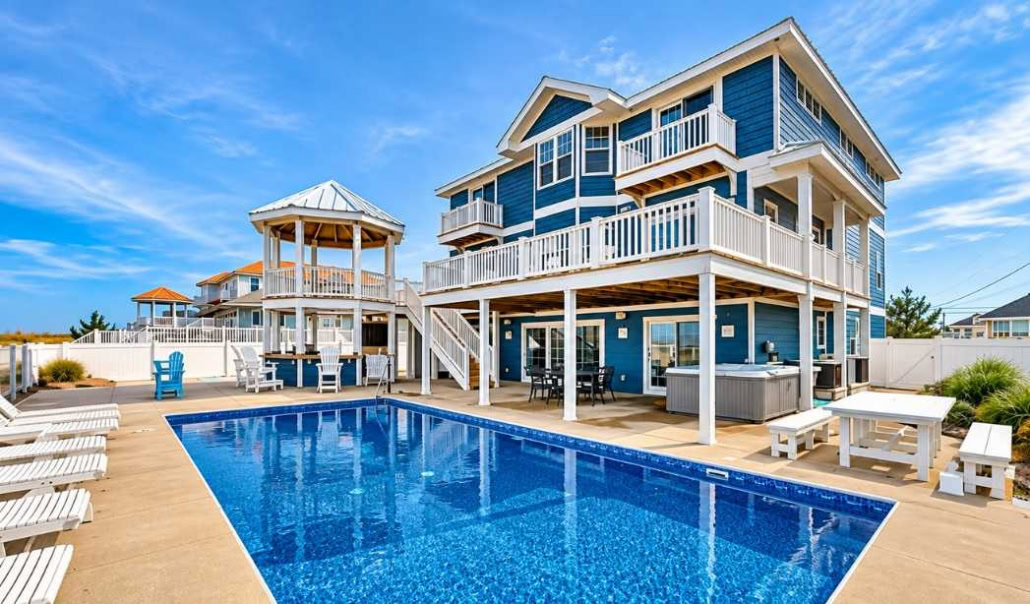
Bellissimo is a nine-bedroom oceanfront home in Sandbridge designed around waterfront views and guest comfort.
The property features a gourmet kitchen with dual appliances, private bedroom balconies, and direct beach access.
Outdoor amenities include a swimming pool with glass fencing, a two-story gazebo, and a hot tub. A dedicated home theater and game room provide additional entertainment options, showcasing the flexibility of custom coastal home design.
Frequently Asked Questions About New Construction Homes in Virginia Beach
Buying an existing home is generally less expensive than building a comparable custom home in Virginia Beach. New construction involves additional expenses for land, architectural design, site preparation, and permits. However, building allows homeowners to personalize their property and may reduce the need for immediate renovations or major repairs.
Based on RBC Homes’ published estimates of 150–400 per square foot, constructing a 2,000-square-foot home could cost approximately 300,000–800,000 or more. Fully custom designs and coastal properties may exceed this range. These figures exclude land and certain development expenses, so a detailed builder estimate is essential.
New home construction in Virginia Beach typically takes 9–16 months, according to RBC Homes. This includes approximately 2–4 months for planning, design, and permitting, followed by 7–12 months of construction. Complex designs, coastal site conditions, and material availability can extend the timeline.
Yes, building a custom home on property you already own is possible, as long as the land satisfies local building and development regulations. Before moving forward, it’s important to assess zoning requirements, property setbacks, soil stability, drainage conditions, utility availability, and environmental limitations. An experienced Virginia Beach home builder can help determine whether your property is suitable for your proposed home design.
Yes, demolishing an existing house and rebuilding is an option in Virginia Beach, subject to required approvals. The city requires a demolition permit, including property documentation and utility disconnection letters. Your replacement home’s design must also comply with current zoning, building codes, and applicable floodplain regulations.
Conclusion
Building a new construction home in Virginia Beach offers the opportunity to create a residence tailored to your lifestyle, preferences, and long-term goals. From choosing the right location to understanding construction costs and timelines, careful planning is essential for a successful project.
With over 30 years of experience, RBC Homes helps homeowners navigate the custom homebuilding process, from initial design to final construction.
Ready to bring your vision to life? Contact RBC Homes today to discuss your project and take the first step toward building your new home in Virginia Beach.