Is It Cheaper to Build or Buy a Home in Virginia Beach? Full Guide
Deciding whether to build or buy a home in Virginia Beach can have a major impact on your budget, timeline, and long-term costs. While both options have advantages, the more affordable choice depends on land prices, construction expenses, financing, and the condition of available homes.
Is It Cheaper to Build or Buy a Home in Virginia Beach?
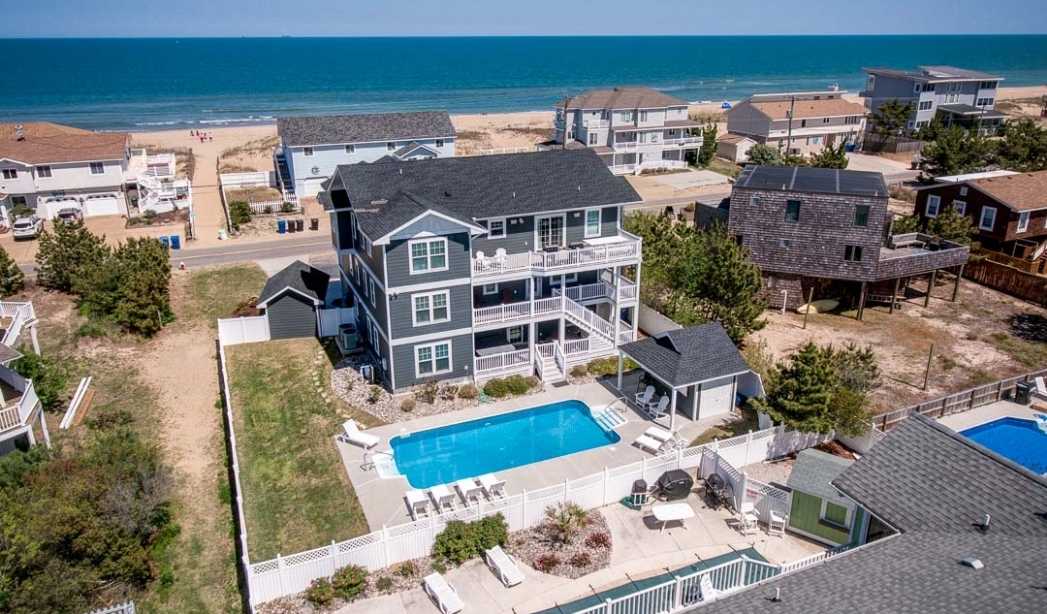
RBC Homes – A License to Chill
In most cases, buying an existing home is cheaper than building a home in Virginia Beach. Building typically involves additional expenses such as purchasing land, preparing the site, securing permits, connecting utilities, and covering construction overruns. However, building may be cost-effective if you already own a suitable lot, choose a simple floor plan, and avoid expensive flood-zone or site-preparation work.
Read on to compare the full costs of building and buying a home in Virginia Beach.
How Much Does It Cost to Buy a Home in Virginia Beach?
The cost of buying a home includes more than the sale price. Buyers must also budget for closing fees, inspections, insurance, and repairs needed after taking possession.
Current Virginia Beach Home Prices
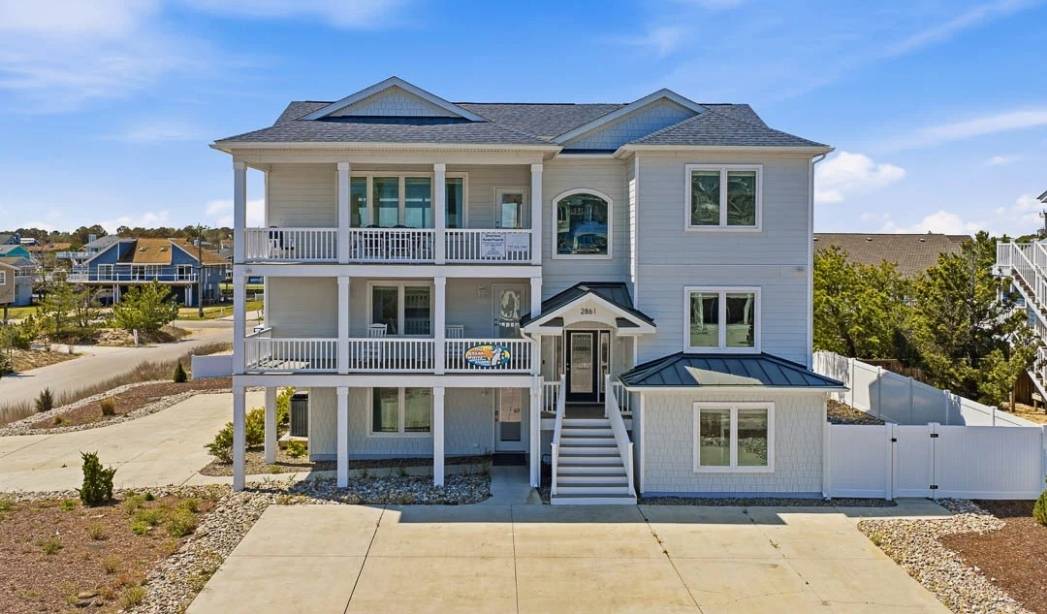
RBC Homes – Great White Shack
Over the three months ending in May 2026, the median sale price in Virginia Beach was approximately $415,000. Actual prices vary by neighborhood, home size, condition, flood exposure, and proximity to the waterfront.
Buyer Closing Costs
Closing costs commonly equal about 2% to 5% of the mortgage amount, in addition to the down payment. These costs can include lender charges, title services, recording fees, prepaid interest, and deposits for taxes and insurance. On a home near the city’s median price, buyers may need to budget roughly $8,000 to $21,000, depending on the loan and down payment.
Home Inspection and Appraisal Fees
A standard Virginia home inspection often costs approximately $325 to $425, with additional charges for larger or older properties, crawlspaces, mold testing, or radon testing. Mortgage lenders also generally require an appraisal, although that fee is normally included in the closing-cost estimate.
Immediate Repairs and Renovations
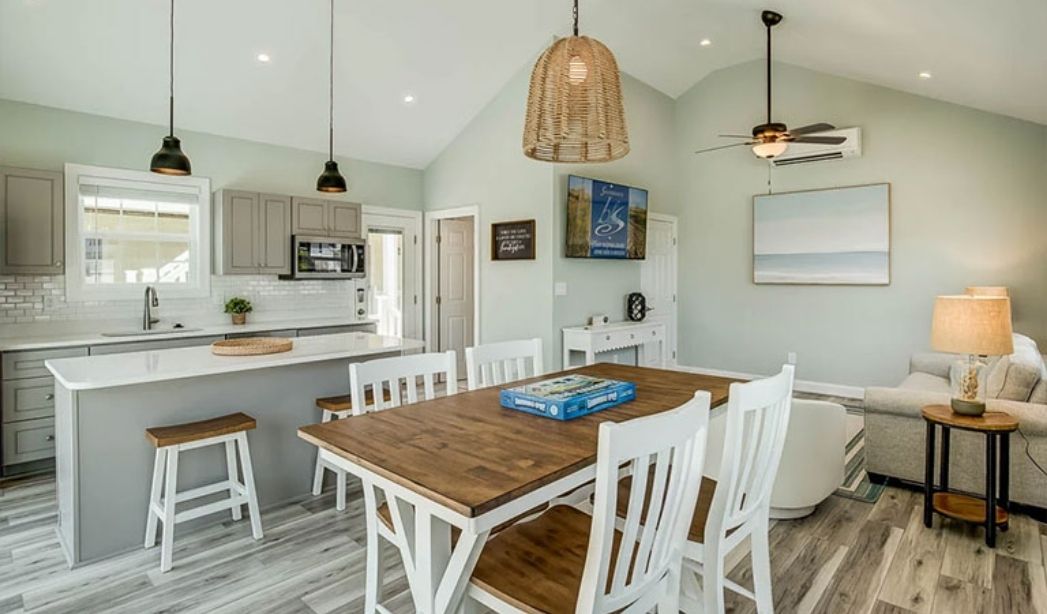
RBC Homes – Bikini Blonde
Move-in expenses may include painting, flooring, landscaping, appliance replacement, or minor repairs. An older home may need more substantial work involving the roof, HVAC system, plumbing, electrical wiring, windows, or moisture damage. Buyers should use the inspection findings to create a realistic repair allowance.
Homeowners and Flood Insurance
Average homeowners’ insurance in Virginia Beach is estimated at approximately $3,095 per year, although premiums depend on the home’s replacement value, age, location, coverage, and deductible. Flood damage is typically excluded from standard homeowners policies, so properties with meaningful flood exposure may require a separate policy.
Total Move-In Cost of an Existing Home
For a $415,000 home with a 10% down payment, the buyer could need approximately $50,000 to $63,000 upfront for the down payment, estimated closing costs, and inspection. Repairs, renovations, moving expenses, and separate flood insurance would increase the final move-in cost.
How Much Does It Cost to Build a Home in Virginia Beach?
To answer the question, “Is it cheaper to build or buy a home in Virginia Beach?”, start with the construction cost: building a home can cost approximately $150 to $400 per square foot, depending on the design, materials, site conditions, and level of customization. That places the construction cost of a 2,000-square-foot home at roughly $300,000 to $800,000 before land and certain development expenses.
Construction Cost per Square Foot

Homes with simple layouts and standard finishes generally fall near the lower end of the range. Complex rooflines, premium materials, coastal engineering, and fully custom interiors can push the price much higher. Confirm what the builder’s estimate includes, because some quotes exclude site work, utilities, permits, landscaping, or appliances.
Land, Design, and Permit Costs
A buildable lot can add a substantial amount to the budget. Current Virginia Beach listings range from under $200,000 for some inland parcels to more than $1 million for certain waterfront locations. Buyers should verify zoning, setbacks, flood requirements, easements, soil conditions, and utility access before assuming a lot is ready for construction.
Architectural and engineering fees depend on whether the buyer uses a standard builder plan, modifies an existing design, or commissions a fully custom home. Surveys, structural engineering, drainage plans, and elevation certificates may also be required.
Virginia Beach charges building and trade permit fees, along with technology fees and a state levy. Inspections are completed at several stages of construction, so the full permitting cost is higher than the basic building-permit fee alone.
Site Preparation and Utility Connections
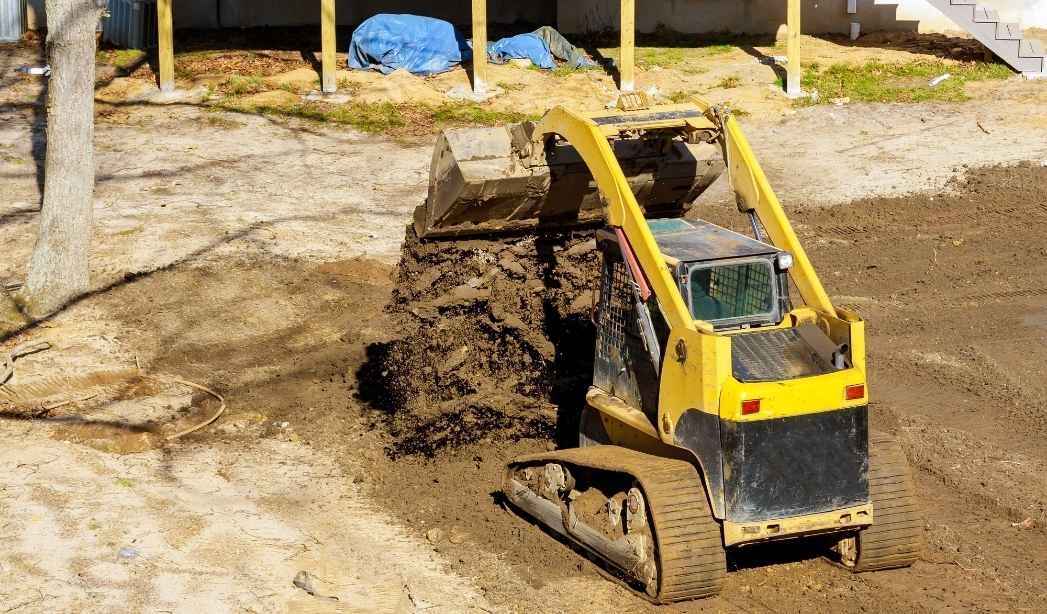
Land clearing, grading, soil improvement, drainage work, demolition, and foundation preparation can significantly affect the final cost. A flat, cleared parcel with suitable soil is generally less expensive to develop than a wooded, low-lying, or flood-prone property.
Utility expenses may include trenching and connections for water, sewer, electricity, and gas. Virginia Beach currently charges a $2,900 water capital recovery fee for a standard residential service, plus applicable sewer fees and the cost of installing the physical lines.
Additional Construction Expenses
Buyers should also budget for driveways, landscaping, fencing, patios, exterior lighting, and other improvements that may not be included in the builder’s base price. Construction-loan interest, lender fees, draw inspections, temporary housing, storage, and additional moving expenses further increase the total.
Finally, set aside a contingency fund of approximately 10% of the project budget for change orders, material-price increases, and unexpected site conditions. When all expenses are included, the cost to build can be considerably higher than the home’s advertised per-square-foot price.
When Is Building a Home Cheaper in Virginia Beach?

RBC Homes – Attitude Adjustment
Building a home can be the more affordable option when the biggest cost risks are already controlled.
The Lot Is Ready for Construction
The strongest case is when you already own a buildable lot, public utilities are available, and the property needs little clearing, grading, drainage work, or soil improvement.
Site conditions are often the deciding factor in Virginia Beach. A lot that does not require pilings, elevation work, a specialized foundation, or extensive flood mitigation is much less expensive to develop.
The Home Design Stays Simple
Costs are easier to manage when you choose a standard builder floor plan instead of a fully custom design. A smaller home with a simple footprint, uncomplicated roofline, and efficient layout usually requires less material, labor, engineering, and construction time.
Material choices matter as well. Builder-grade or midrange finishes can help keep the budget predictable, while custom cabinetry, specialty windows, luxury flooring, and high-end fixtures can quickly increase the total. Finalizing selections early also reduces expensive change orders.
In practical terms, building is most likely to be cheaper when you already own a ready-to-build property and are willing to construct a modest, straightforward home. If you must buy an expensive lot, complete major site work, or build in a challenging coastal location, purchasing an existing home will usually cost less.
When Is Buying a Home the Better Financial Choice?
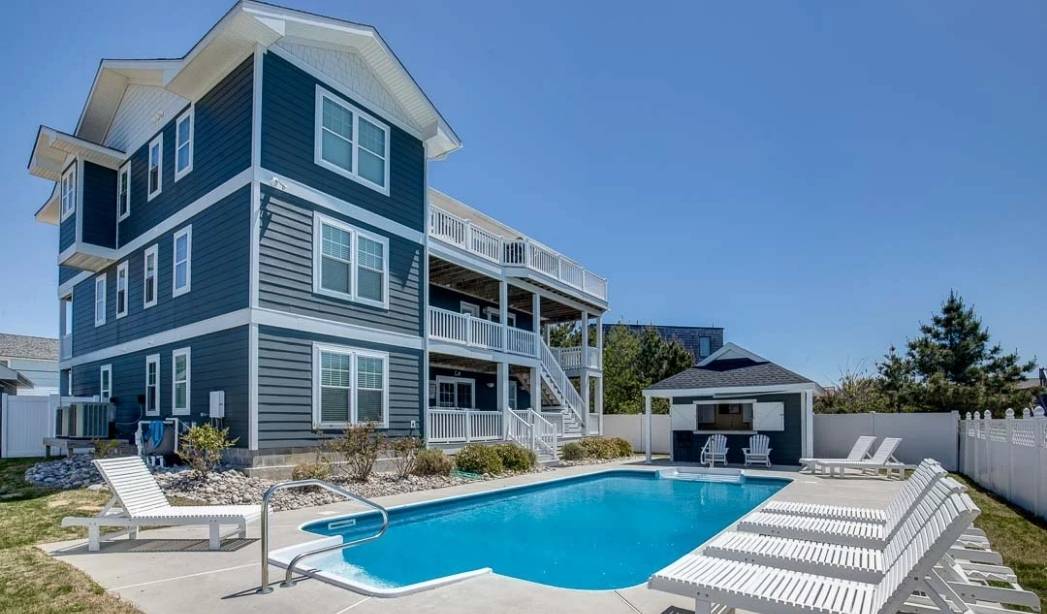
RBC Homes – A License to Chill
When asking, “Is it cheaper to build or buy a home in Virginia Beach?”, buying is usually the better financial option if you need predictable costs, a faster timeline, and a firm spending limit.
You Need Predictable Costs and a Faster Move
An existing home has a defined purchase price, and the inspection can help identify likely repair expenses before closing. Although unexpected costs are still possible, buyers generally face less financial uncertainty than they would during a construction project.
Buying also makes more sense when you need to move quickly. A home purchase can often be completed within weeks, while building may take many months and can be delayed by permits, weather, labor shortages, or material availability.
Land and Construction Costs Are Too High
Purchasing is often more affordable when you would need to buy an expensive lot before construction begins. It may also be the safer choice if your budget cannot absorb change orders, site complications, financing costs, or construction overruns.
Existing homes can provide better value when suitable properties are already available in your preferred area. Buying may also be the only practical way to enter an established neighborhood where vacant lots are scarce.
Overall, buying is usually the stronger financial choice for households with a strict budget, a fixed timeline, or limited tolerance for unexpected costs.
Is Buying New Construction Cheaper Than Building Custom?
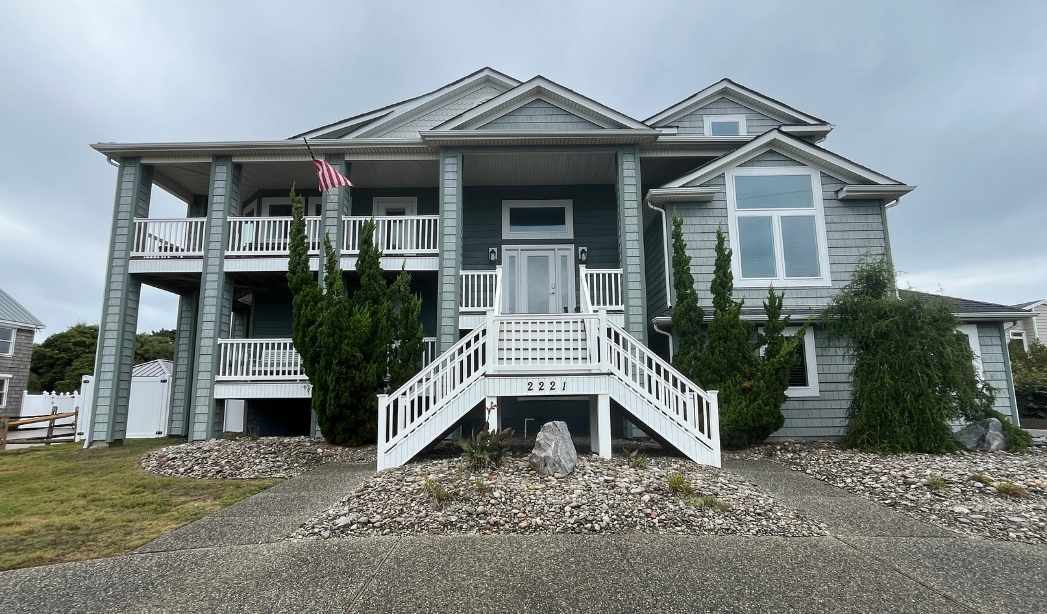
RBC Homes – Beach Home Complete Remodel
When considering, “Is it cheaper to build or buy a home in Virginia Beach?”, buying a new production home is often more affordable than building a fully custom home. The difference depends on how much flexibility you need and how efficiently the builder can manage design, labor, and material costs.
Production, Semi-Custom, and Custom Homes
Production homes are built from a limited selection of standard plans, finishes, and structural options. Because the builder repeats the same designs across multiple properties, these homes usually offer the lowest cost per square foot.
Semi-custom homes allow buyers to modify an existing plan or choose from a broader range of materials and features. They cost more than production homes but less than most fully custom projects.
Fully custom homes are designed for a specific owner and property. They offer the most flexibility, but architectural work, engineering, specialized materials, and one-off construction details usually make them the most expensive option.
Why Production Builders Can Charge Less
Production builders can purchase materials in bulk, use established subcontractor teams, simplify permitting, and follow plans they have built before. These efficiencies reduce design time, labor uncertainty, and waste.
Which Option Offers the Best Value?
For buyers focused mainly on affordability, a production home generally offers the best value. A semi-custom home may be worth the additional cost when a buyer wants some personalization without paying for a fully original design. Custom building makes the most sense when location, layout, or specialized features matter more than achieving the lowest possible price.
Is It Cheaper to Buy a Fixer-Upper and Renovate?
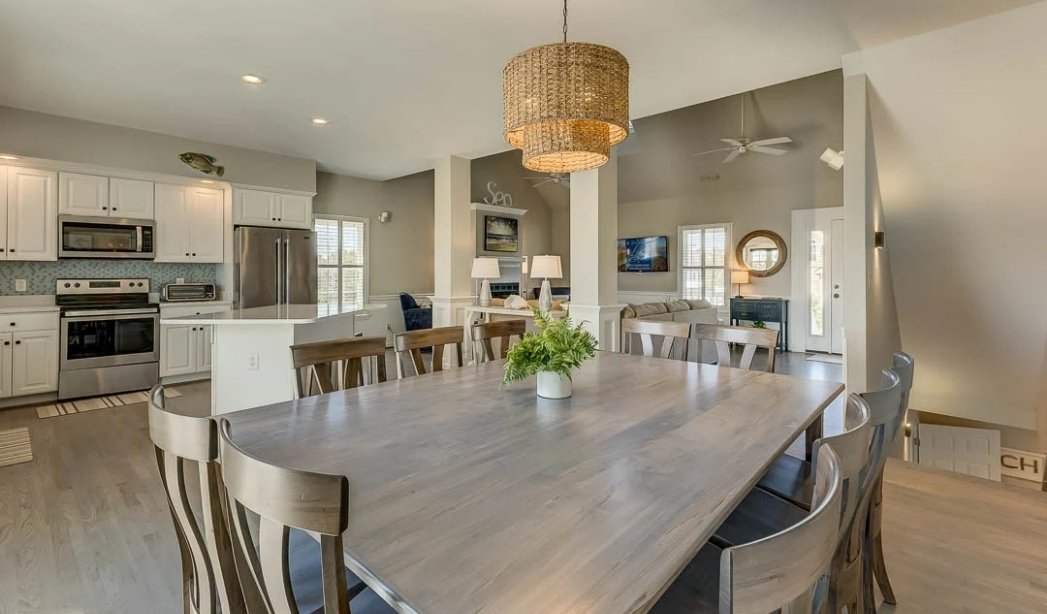
RBC Homes – Bikini Blonde
Buying a fixer-upper can cost less than purchasing a move-in-ready home or building from scratch, but only when the purchase discount is large enough to cover the renovation work and unexpected repairs.
When Renovating Offers Better Value
A fixer-upper may be a good financial choice when the home has a solid foundation, sound structure, and mostly cosmetic problems. Updating flooring, paint, fixtures, cabinets, or landscaping is generally easier to estimate than repairing major structural or mechanical systems.
Renovating can also offer better value when the property is in a desirable established neighborhood where vacant lots or newer homes are expensive. Buyers may gain access to the location they want while improving the home gradually.
Hidden Costs That Can Change the Equation
Older homes may conceal problems involving the roof, plumbing, electrical system, HVAC equipment, moisture, termites, foundation, or previous unpermitted work. Once walls or floors are opened, renovation costs can rise quickly.
Buyers should compare the purchase price, inspection findings, contractor estimates, permits, temporary housing, and a contingency allowance against the price of a comparable renovated home.
When Renovation or Demolition Costs Become Too High
A fixer-upper is less likely to be a bargain when it requires major structural repairs, extensive flood mitigation, complete system replacement, or a full interior rebuild. If the cost of purchase and renovation approaches or exceeds the home’s likely market value, buying a better-condition property may be safer.
Demolition and rebuilding may make sense when the existing structure has little usable value but the lot is highly desirable. However, buyers must also account for demolition, debris removal, utility disconnections, permits, and new construction costs.
Build vs. Buy: Long-Term Ownership Costs
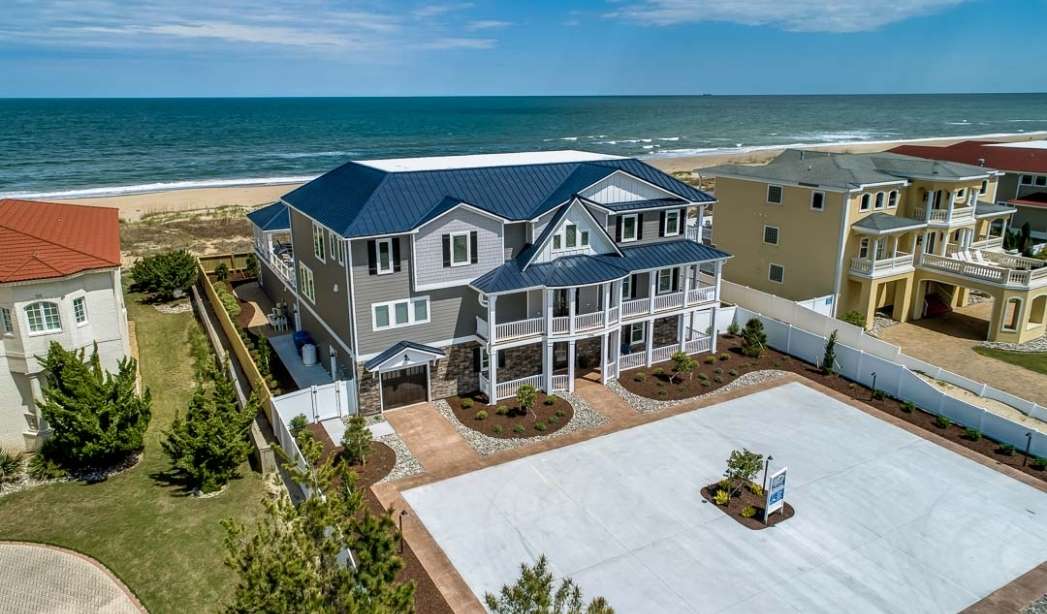
RBC Homes – A Crown Jewel
When asking, “Is it cheaper to build or buy a home in Virginia Beach?”, the upfront price is only part of the answer. Maintenance, insurance, property taxes, energy efficiency, and future improvements can all affect the true long-term cost of ownership.
Maintenance, Repairs, and Energy Use
Newly built homes usually require fewer major repairs during the first several years. New roofs, HVAC systems, plumbing, wiring, windows, and appliances can reduce near-term maintenance costs. Builder warranties may also cover certain defects or system failures for a limited period.
New homes are often more energy-efficient because they use modern insulation, windows, equipment, and building standards. Lower utility bills can offset part of the higher construction price over time.
Existing homes may cost less to purchase, but older systems can create larger repair bills. Buyers should consider the remaining life of the roof, heating and cooling equipment, water heater, electrical system, and plumbing.
Insurance, Taxes, and Future Improvements
Homeowners and flood insurance depend more on the property’s location, replacement cost, construction type, and flood exposure than on whether the home is new or existing. A newly built coastal home may still carry high premiums if it is expensive to replace or located in a higher-risk area.
Property taxes are based on assessed value, so a larger or more expensive custom home may create a higher annual tax bill. Existing homes may also require future renovations to improve the layout, appearance, or energy efficiency.
Potential Resale Value
A new home with an efficient layout and low maintenance needs may attract future buyers, but custom features do not always recover their full cost at resale. Existing homes in established neighborhoods may hold value well because of location, mature landscaping, and limited supply.
The best long-term value usually comes from choosing a home that fits the neighborhood, avoids unnecessary upgrades, and remains affordable to maintain and insure.
Frequently Asked Questions
I. How Much Does It Cost per Square Foot to Build in Virginia Beach?
Building a home in Virginia Beach generally costs about $150 to $400 per square foot, depending on the design, materials, finishes, and site conditions. Land, utility connections, site preparation, financing, landscaping, and unusual flood or foundation work may not be included in that estimate.
II. Can You Build a Home in Virginia Beach for Under $300,000?
It may be possible to build a small, standard home for under $300,000, particularly if you already own a prepared lot. However, achieving that budget becomes difficult once land, permits, utilities, site work, financing, and exterior improvements are included. Custom features and premium finishes can quickly push the total higher.
III. Is Building Cheaper When You Already Own the Land?
Yes. Owning a buildable lot removes one of the largest expenses from the project. The financial advantage is greatest when utilities are available and the property requires minimal clearing, grading, drainage, elevation, or foundation work. The lot should still be evaluated for zoning, easements, flood restrictions, and other development limitations.
IV. How Long Does It Take to Build a Home in Virginia Beach?
Construction commonly takes around seven to 12 months, but the complete process may take longer once design, financing, permitting, and site preparation are included. A large or fully custom home can take more than a year. Weather, material delays, change orders, and complicated site conditions can also extend the schedule.
V. Do You Need Flood Insurance in Virginia Beach?
Not every Virginia Beach property requires flood insurance. However, federally regulated or insured lenders generally require it when a mortgaged building is located in a Special Flood Hazard Area. A lender may also require coverage outside these zones, and homeowners can purchase it voluntarily because standard homeowners insurance generally excludes flood damage.
Conclusion
When asking, “Is it cheaper to build or buy a home in Virginia Beach?”, purchasing an existing home is usually the more affordable choice for most buyers. Buying typically offers a more predictable price, a faster move, and fewer risks related to land, site preparation, permits, and construction overruns.
Building can still make financial sense when you already own a suitable lot, utilities are available, and you choose a simple design with limited upgrades. The best choice depends on your budget, timeline, preferred location, and ability to handle unexpected costs.
Contact RBC Homes to discuss your budget, lot, and design goals and determine whether building or buying is the better option for you.