Buying Land in Virginia Beach to Build a Home – Full Guide
Buying land in Virginia Beach to build a home gives you the chance to create a custom property in the location and style you want. However, not every lot is ready or suitable for construction.
What Should You Know Before Buying Land in Virginia Beach to Build a Home?

Before buying land, you should confirm that the lot can support the home you want to build. That means reviewing zoning rules, flood zone status, utility access, soil and drainage conditions, road access, setbacks, permit requirements, financing options, and overall builder feasibility. These details can affect where the home can be placed, how much site preparation is needed, whether special construction standards apply, and how much the project may cost.
Read on to learn what to check, what it may cost, and how to move forward with confidence.
Can You Buy Land in Virginia Beach and Build a Home?

Buying land and building a home in Virginia Beach is possible, but the process depends heavily on the specific property. A lot may look ideal at first, but local regulations, site conditions, utilities, and environmental factors all determine whether it can support new construction.
Not Every Lot Is Buildable
Yes, you can buy land in Virginia Beach and build a home. However, not every vacant lot is ready for construction. Factors such as zoning, flood zones, wetlands, utility access, and soil conditions can affect whether a property can be developed and what type of home can be built.
Zoning Controls Land Use and Structure Placement
Before purchasing land, verify that the property is zoned for residential use. Zoning regulations determine how the land can be used and may limit factors such as home size, building height, density, and setbacks from property lines. These requirements can impact both your home design and where it can be placed on the lot.
A Residential Building Permit Is Required
A residential building permit is required before construction can begin. The permit process helps ensure that the home complies with local building codes, zoning regulations, and safety standards. Depending on the project, additional permits may also be needed for grading, utilities, septic systems, or stormwater management.
Floodplain Rules May Add Extra Requirements
Because Virginia Beach includes coastal and low-lying areas, some properties are located within designated flood zones. Building in a floodplain may require elevated foundations, specific construction methods, additional inspections, and compliance with floodplain management regulations. These requirements can increase construction costs, making it important to review flood maps before purchasing a lot.
The Best Places to Buy Land in Virginia Beach to Build a Home
If you’re considering buying land in Virginia Beach to build a home, you’ll find a variety of options ranging from rural acreage and waterfront communities to established residential neighborhoods. The right area depends on your budget, preferred lot size, lifestyle, and long-term goals.
Pungo

Pungo is one of the most desirable areas for building a custom home in Virginia Beach, particularly for buyers who value space and privacy. The community is known for its large lots, rural character, farmland, and custom-built homes. Unlike more densely developed neighborhoods, Pungo offers opportunities for acreage, detached structures, outdoor living spaces, and greater flexibility in home design. While the area provides a peaceful setting, residents still have access to Virginia Beach’s shopping, dining, and employment centers within a reasonable drive. Buyers should carefully evaluate utilities, septic requirements, wetlands, and floodplain considerations before purchasing land.
Sandbridge

Sandbridge is a popular choice for buyers seeking a coastal lifestyle and the opportunity to build near the beach. Known for its quieter atmosphere, waterfront properties, and natural surroundings, the area offers a more secluded alternative to Virginia Beach’s busier tourist districts. Custom homes are common, and many properties provide access to ocean, bay, or Back Bay views. Because Sandbridge is located in a coastal environment, buyers should carefully evaluate flood zones, elevation requirements, insurance costs, and local building regulations before purchasing land.
Great Neck

Great Neck is one of Virginia Beach’s most sought-after residential areas, offering a blend of established neighborhoods, waterfront opportunities, and convenient access to shopping, dining, and top-rated schools. Land inventory is often limited, making buildable lots highly desirable. Many buyers are drawn to the area’s central location, mature surroundings, and strong property values. While land prices tend to be higher than in other parts of the city, Great Neck can be an excellent option for those looking to build a custom home in a well-established community.
Kempsville

Kempsville is a practical choice for buyers buying land in Virginia Beach to build a home in a central, convenient location. The area offers established neighborhoods, access to major roads, shopping, schools, and employment centers. While large parcels are less common, Kempsville can be a strong option for families who want a custom home close to everyday amenities and city services.
Princess Anne
Princess Anne is one of the fastest-growing areas in Virginia Beach and attracts buyers seeking a balance between space and convenience. The community features a mix of newer developments, larger lots, and open land suitable for custom home construction. Its proximity to parks, schools, healthcare facilities, and municipal services makes it appealing for long-term homeowners. Buyers may find more opportunities for buildable land here than in many established neighborhoods, making Princess Anne a popular choice for new construction projects.
Chesapeake Beach
Chesapeake Beach, often called Chic’s Beach, appeals to buyers who want a relaxed coastal lifestyle near the Chesapeake Bay. The area offers beach access, restaurants, marinas, and a strong neighborhood feel. Buildable lots can be limited, so buyers may encounter smaller parcels or teardown opportunities. It can be a great fit for a custom coastal home, but flood risk, lot size, setbacks, and parking requirements should be reviewed carefully.
North End

The North End is one of Virginia Beach’s most desirable areas for custom homes, offering a quiet residential setting near the oceanfront. Buyers are drawn to its beach access, established streets, mature trees, and premium property values. Available land is limited, and many projects involve replacing older homes with new custom builds. Because lots can be narrow or tightly regulated, setbacks, design guidelines, elevation needs, and construction access should be evaluated early.
Rural Southern Virginia Beach
Rural southern Virginia Beach offers strong opportunities for buyers buying land in Virginia Beach to build a home with acreage, privacy, and room for a larger custom property. This area can support outdoor living, gardens, detached structures, or recreational uses. Buyers should still review zoning, septic feasibility, utilities, wetlands, agricultural restrictions, and floodplain concerns before purchasing.
What to Check Before Buying Land in Virginia Beach
Before purchasing land, it’s important to confirm that the property can support the home you want to build. Taking the time to investigate these factors can help you avoid unexpected costs, delays, and development challenges.
- Zoning Classification: Verify that the property is zoned for residential use and confirm any restrictions on home size, height, density, or permitted uses.
- Flood Zone Status: Determine whether the lot is located in a flood zone, as this may affect construction requirements, insurance costs, and overall project expenses.
- Wetlands Restrictions: Check for wetlands on or near the property, as environmental regulations may limit where and how you can build.
- Utility Access: Confirm the availability of public water, sewer, electricity, natural gas, and internet services. Extending utilities to a site can be costly.
- Road Access: Ensure the property has legal and practical access to a public road. Limited or shared access can create development challenges.
- Soil and Drainage: Evaluate soil conditions, drainage patterns, and potential grading requirements. Poor soil can increase foundation and site preparation costs.
- Setbacks: Review setback requirements that dictate how far structures must be placed from property lines, roads, wetlands, or other features.
- Easements: Identify any utility, drainage, access, or conservation easements that could reduce the buildable area of the lot.
- HOA Restrictions: If the property is located within a homeowners association, review any architectural guidelines, design standards, or building restrictions.
- Survey Accuracy: Obtain an up-to-date survey to verify property boundaries, easements, encroachments, and the amount of usable land available for construction.
A little due diligence before purchasing land can save thousands of dollars and help ensure the property is suitable for your home, budget, and long-term goals.
What to Check Before Buying Land in Virginia Beach
Before purchasing land, confirm that the property can support the home you want to build. These checks can help you avoid unexpected costs, permitting delays, and development issues.
Zoning Classification

Zoning determines whether the land can be used for residential construction and what type of home may be allowed. It can also affect setbacks, lot coverage, height limits, accessory structures, and overall design flexibility. Always verify zoning before making an offer.
Flood Zone Status
Flood zone status can affect construction requirements, insurance costs, foundation design, and long-term ownership expenses. In coastal and low-lying areas of Virginia Beach, some lots may require elevated construction or additional engineering. Review flood maps before committing to a property.
Wetlands Restrictions
Wetlands can significantly limit where you are allowed to build. Even if a lot appears large, protected areas may reduce the usable space. Before purchasing, check whether wetlands, buffers, or environmental restrictions could affect your driveway, home placement, or site work.
Utility Access
Confirm whether the property has access to public water, sewer, electricity, gas, and internet. If utilities are not already available at the lot, extending service can be expensive and time-consuming. This can have a major impact on your total construction budget.
Road Access

A buildable lot needs legal and practical road access, especially when buying land in Virginia Beach to build a home. Some parcels may require shared driveways, private access easements, or road improvements before construction begins. Poor access can complicate permitting, construction deliveries, emergency access, and future resale value.
Soil and Drainage
Soil conditions affect foundation design, grading, septic feasibility, and drainage performance. Poor soil, standing water, or low elevation can increase site preparation costs. A soil evaluation helps determine whether the land can safely support the home you want to build.
Setbacks
Setbacks determine how far the home must sit from property lines, roads, waterways, wetlands, or other protected areas. These rules can shrink the buildable area and limit design options. Always confirm setbacks before assuming a lot can fit your desired floor plan.
Easements
Easements give others legal rights to use part of the property for access, utilities, drainage, or conservation. They can restrict where you place a home, driveway, fence, pool, or detached structure. Review easements carefully with the survey and title documents.
HOA Restrictions
If the property is part of an HOA, review the rules before buying. Architectural guidelines may control home size, exterior materials, roof style, fencing, landscaping, and even parking. These restrictions can affect both your design choices and overall construction timeline.
Survey Accuracy
A current survey confirms the property boundaries, easements, encroachments, and usable building area. Older surveys may not reflect current conditions or improvements. Having an accurate survey before closing can help prevent disputes, redesigns, and costly surprises during permitting.
A little due diligence before purchasing land can save thousands of dollars and help ensure the property is suitable for your home, budget, and long-term goals.
How Much Does It Cost to Buy Land and Build in Virginia Beach?
The cost to buy land and build in Virginia Beach can vary widely based on the neighborhood, lot condition, flood zone, utility access, home size, and level of customization. In general, buyers should budget for both the land purchase and the full cost of preparing the site for construction.
| Cost Item | Estimated Price Range |
| Land purchase price | $125,000–$750,000+ |
| Site preparation | $10,000–$75,000+ |
| Utility hookups | $5,000–$50,000+ |
| Septic or sewer costs | $10,000–$60,000+ |
| Foundation costs | $25,000–$100,000+ |
| Coastal construction upgrades | $25,000–$150,000+ |
| Permits and inspections | $2,000–$15,000+ |
| Builder costs | $150–$400+ per sq. ft. |
| Contingency budget | 10%–20% of total project cost |
Land Purchase Price
Land prices in Virginia Beach vary dramatically by location. Rural lots in areas like Pungo or southern Virginia Beach may cost less than scarce coastal or infill lots near Sandbridge, Chic’s Beach, Great Neck, or the North End. Current Virginia Beach land listings show prices ranging from around $125,000 to well over $700,000, with premium acreage and waterfront parcels priced much higher.
Site Preparation
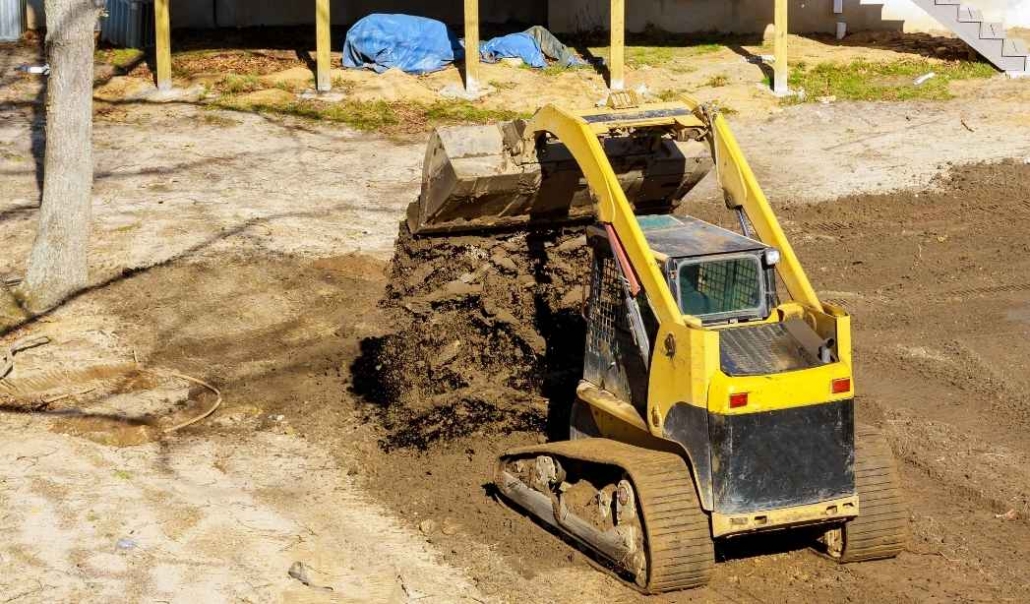
Site preparation may include clearing trees, grading, driveway installation, drainage work, demolition, erosion control, and preparing the building pad. A relatively simple lot may require $10,000 to $25,000 in prep work, while wooded, wet, sloped, or poorly drained sites can easily exceed $50,000 to $75,000.
Utility Hookups
Utility costs depend on whether water, sewer, electric, gas, and internet service are already available at the property. If utilities need to be extended, trenching and line installation can add thousands of dollars. Some undeveloped lots may require $5,000 to $50,000 or more in utility-related work, depending on distance and site conditions.
Septic or Sewer Costs
If public sewer is available, buyers may need to pay connection, tap, or capital recovery fees. Virginia Beach Public Utilities notes that water and sewer connection fees may apply, especially when properties are newly connected or redeveloped. If sewer is not available, a septic system may be required, and costs can vary significantly based on soil, design, and permitting.
Foundation Costs
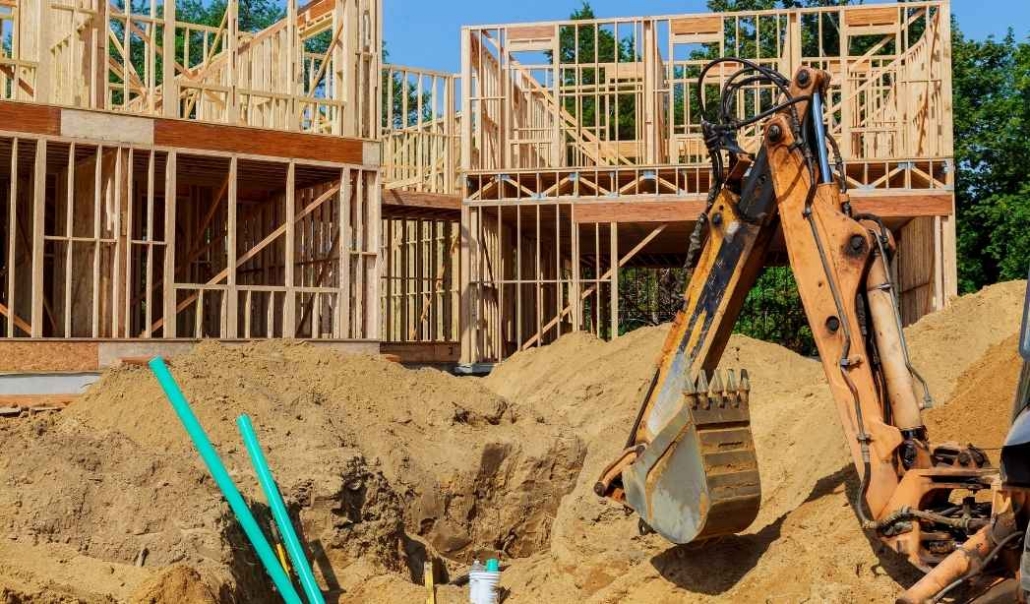
Foundation costs depend on soil conditions, home size, elevation, and whether the property is in a flood-prone area. A standard foundation may cost tens of thousands of dollars, while engineered, elevated, pile, or coastal foundations can cost substantially more. Buyers should confirm soil and flood requirements before estimating this part of the budget.
Coastal Construction Upgrades
Lots near Sandbridge, the North End, Chesapeake Bay, or other low-lying areas may require coastal construction upgrades. These can include elevated foundations, flood vents, wind-resistant materials, specialized engineering, stronger windows, and additional drainage planning. These upgrades may add $25,000 to $150,000 or more, depending on the property and home design.
Permits and Inspections
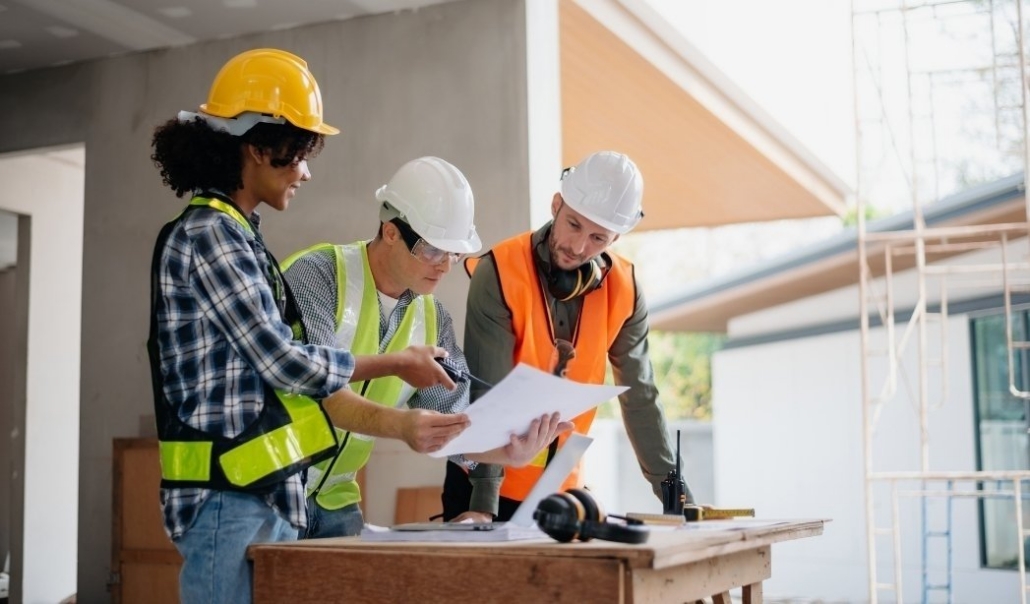
A building permit is required to build a residential structure in Virginia Beach, and additional permits may be needed for grading, utilities, septic, stormwater, or floodplain compliance. Permit and inspection costs vary by project, but buyers should budget several thousand dollars at minimum.
Builder Costs
The cost to build a home in Virginia Beach commonly ranges from about $150 to $400 or more per square foot, depending on the design, finishes, materials, site conditions, and customization level. A 2,500-square-foot home could cost around $375,000 to $1 million or more before land and site-specific costs.
Contingency Budget
A contingency budget is essential when buying land and building a custom home. Unexpected costs can come from soil issues, utility extensions, floodplain requirements, material changes, drainage improvements, or permitting delays. A good rule of thumb is to reserve 10% to 20% of the total project budget for surprises.
Step-by-Step Process for Buying Land and Building a Home
The process of buying land in Virginia Beach to build a home involves much more than simply finding a vacant lot. Following a structured approach can help you identify suitable properties, avoid costly surprises, and move from land purchase to construction with confidence.
Define Your Budget

Start by determining how much you can comfortably spend on both the land and the home itself. Remember to include costs beyond the purchase price, such as site preparation, utility connections, permits, landscaping, and a contingency fund for unexpected expenses.
Get Land Financing or Construction Loan Approval
Many buyers need financing to purchase land and build a home. Meeting with lenders early can help you understand your borrowing options, establish a realistic budget, and strengthen your position when making an offer on a property.
Search for Buildable Lots
Focus your search on lots that align with your desired location, home size, lifestyle, and budget. While a property may appear attractive, it’s important to verify that it has the characteristics necessary to support residential construction.
Review Zoning and Flood Maps

Before moving forward with a property, confirm that it is zoned for residential use and review any applicable flood zone designations. These factors can affect what you can build, where the home can be placed, and how much construction may ultimately cost.
Order a Survey
A professional survey helps verify property boundaries, easements, encroachments, and the amount of usable land available for construction. This information can prevent disputes and reveal potential limitations before closing.
Test Soil and Drainage
Soil conditions play a major role in foundation design, drainage performance, and septic feasibility. Conducting soil evaluations early can help identify issues that may increase construction costs or require additional engineering solutions.
Confirm Utility Access
Verify the availability of water, sewer, electricity, natural gas, and internet service. If utilities are not already available at the property, determine the cost and feasibility of extending them before purchasing the lot.
Bring in a Builder Before Closing

One of the smartest steps you can take is consulting a builder before finalizing the purchase. An experienced builder can evaluate the lot, identify potential challenges, estimate development costs, and determine whether the property is a good fit for your home design.
Make an Offer With Due Diligence Contingencies
When making an offer, include contingencies that allow time to verify zoning, floodplain requirements, surveys, soil conditions, utility access, and other important factors. This can provide an opportunity to walk away if significant issues are discovered.
Apply for Permits
Once the land purchase is complete and home plans are finalized, the permitting process can begin. Depending on the project, approvals may be required for building, grading, utilities, septic systems, stormwater management, and other site-related work.
Begin Construction
After permits are approved and site preparation is complete, construction can begin. Throughout the building process, inspections and project milestones help ensure the home is built according to approved plans, local codes, and quality standards.
Common Mistakes to Avoid

Even a lot that appears perfect on paper can create unexpected challenges during the building process. Avoiding these common mistakes can save time, money, and frustration while helping ensure your project stays on track.
Buying Land Before Confirming Buildability
One of the biggest mistakes buyers make is purchasing land before verifying that it can support the home they want to build. Zoning restrictions, floodplain regulations, wetlands, easements, and site conditions can all limit development. Always confirm buildability before closing on a property.
Ignoring Flood Insurance Costs
Many buyers focus on the purchase price and construction budget but overlook the long-term cost of flood insurance. Properties located in certain flood zones may require insurance coverage, which can add significantly to annual ownership expenses.
Assuming Utilities Are Already Available
Just because a lot is available for sale does not mean utilities are readily accessible. Extending water, sewer, electric, gas, or internet service can be expensive and may affect the overall feasibility of the project. Always verify utility availability before purchasing.
Skipping Soil Testing
Soil conditions directly impact foundation design, drainage, and septic system performance. Skipping soil testing can lead to unexpected construction challenges and costly engineering solutions later. A relatively small upfront investment can help identify potential issues before they become major problems.
Underestimating Site Preparation
Many buyers focus on land and construction costs while overlooking site preparation expenses. Clearing trees, grading, drainage improvements, driveway installation, and erosion control can add tens of thousands of dollars to a project, especially on undeveloped lots.
Not Checking Wetlands
Wetlands can significantly reduce the amount of usable land available for construction. Failing to identify wetlands before purchasing a property may result in building limitations, permitting complications, and higher development costs.
Choosing Land Based Only on Price
The cheapest lot is not always the best value. A lower-priced property may require extensive site work, utility extensions, flood mitigation, or environmental approvals that increase overall costs. Consider the total development expense rather than focusing solely on the purchase price.
Waiting Too Long to Involve a Builder
Many buyers wait until after purchasing land to consult a builder. Bringing a builder into the process early can help identify site challenges, estimate development costs, evaluate buildability, and determine whether the property is a good fit for your home design and budget.
Avoiding these common mistakes can help you make a more informed land purchase and reduce the risk of costly surprises once construction begins.
Frequently Asked Questions
If you’re considering buying land in Virginia Beach to build a home, you may have questions about the process, costs, and how to avoid common mistakes. Below are answers to some of the questions buyers ask most often.
Yes. Involving a builder before purchasing land can help you avoid costly mistakes and identify potential challenges early. An experienced builder can evaluate the lot, estimate development costs, assess buildability, and determine whether the property is suitable for your desired home design and budget.
Absolutely. Builders often review factors such as zoning, setbacks, utility access, drainage, soil conditions, flood zones, and overall site feasibility. Their input can help you understand the true cost of developing the property before you commit to the purchase.
Some of the most important factors include zoning classification, flood zone status, wetlands, utility availability, road access, soil conditions, easements, setbacks, and HOA restrictions. Evaluating these items before purchasing can help ensure the lot is suitable for construction and aligns with your long-term goals.
Start by reviewing zoning requirements, setback regulations, and the amount of usable land available on the property. You should also consider soil conditions, utility access, floodplain restrictions, and any environmental limitations. Consulting a builder early can help determine whether your desired floor plan and design can realistically be accommodated on the lot.
In addition to the purchase price, buyers should budget for surveys, soil testing, site preparation, utility connections, septic systems, permits, drainage improvements, flood mitigation measures, and construction contingencies. These costs can vary significantly from one property to another and should be evaluated before making an offer.
Conclusion
Buying land in Virginia Beach to build a home can be a rewarding investment, but it requires careful planning and due diligence. Before purchasing a lot, it’s important to evaluate zoning requirements, flood zones, utility access, soil conditions, permits, and overall buildability.
Taking the time to research these factors can help you avoid costly surprises and ensure your project starts on the right foundation. If you’re considering building a custom home, involving a builder early in the process can provide valuable insight before you purchase land.
The team at RBC Homes can help evaluate potential lots, identify site challenges, and determine whether a property is suitable for your vision and budget. Contact RBC Homes today to discuss your project and take the next step toward building your dream home in Virginia Beach.