House Expansion Ideas for Retirement in Virginia Beach – 15 Upgrades
Retirement can change what you need from your home. Stairs may become less convenient, guest space may need to accommodate family or future caregivers, and outdoor areas may need to be safer and easier to enjoy. For homeowners who want to remain in Virginia Beach, a well-planned home expansion can create more comfort, accessibility and flexibility while preserving the home and community they already value.
What Are the Best House Expansion Ideas for Retirement?
The best house expansion ideas for retirement in Virginia Beach depend on your home’s layout, your lifestyle and how you want the space to serve you over time. The table below highlights practical additions and improvements that can support aging in place, visiting family, future care needs and everyday enjoyment.
Top House Expansion Ideas for Retirement Living in Virginia Beach
| House expansion idea | How it can support retirement living |
| 1. First-floor primary suite addition | Creates a comfortable main-level bedroom and bathroom arrangement that can reduce daily stair use. |
| 2. In-law suite addition | Adds private living space for visiting family members or a multigenerational household. |
| 3. Accessory dwelling unit (ADU) | Provides separate living quarters that may accommodate family, guests or future support, subject to local requirements. |
| 3. Caregiver suite addition | Creates dedicated nearby space for in-home support if care needs change in the future. |
| 4. Accessible bathroom addition | Adds a safer bathroom designed around comfort, ease of movement and long-term usability. |
| 5. Zero-step entry addition | Eliminates raised thresholds or steps at an entrance for smoother, safer access. |
| 6. Ramp entry addition | Improves home access for wheelchairs, walkers or homeowners who find stairs challenging. |
| 7. Wider hallway and doorway expansion | Creates more comfortable circulation space and can better accommodate mobility devices. |
| 8. Home elevator addition | Makes upper floors easier to reach while allowing homeowners to use more of their existing home. |
| 9. Garage conversion | Transforms existing square footage into a bedroom, hobby space, office or flexible living area. |
| 10. Flex suite addition | Adds multipurpose space that can adapt over time for guests, family members, hobbies or future care needs. |
| 11. Sunroom addition | Creates a bright indoor retreat for relaxing, reading or enjoying views throughout the year. |
| 12. Screened porch addition | Adds a sheltered outdoor living area for enjoying fresh air with protection from insects and direct sun. |
| 13. Accessible deck addition | Creates an outdoor gathering space with easier access, safer transitions and retirement-friendly design features. |
| 14. Accessible patio expansion | Extends usable outdoor living space with level access and room for comfortable movement and seating. |
Each option offers different benefits, and the right choice should reflect both how you live today and what may make your home easier to enjoy in the future.
Explore the retirement expansion ideas below to see which additions may best fit your Virginia Beach home and long-term plans.
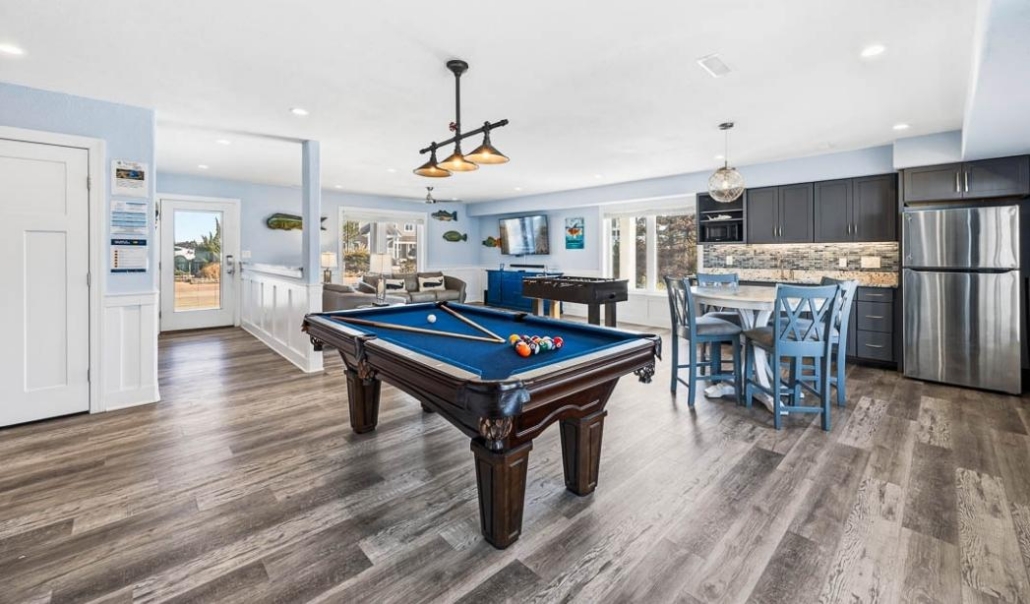
1. First-Floor Primary Suite Addition
| Feature to consider | Retirement benefit |
| Main-level bedroom location | Reduces daily stair use |
| Accessible en suite bathroom | Supports safer daily routines |
| Curbless shower | Improves access and lowers trip risk |
| Wider doorways | Accommodates changing mobility needs |
| Easy-reach closet storage | Keeps everyday items accessible |
A first-floor primary suite places essential living spaces on the home’s main level, reducing reliance on stairs as mobility needs change. With features such as an accessible bathroom, spacious clearances and easy-to-reach storage, a first-floor primary suite can help homeowners maintain comfort, privacy and independence in their Virginia Beach home as they move through retirement.
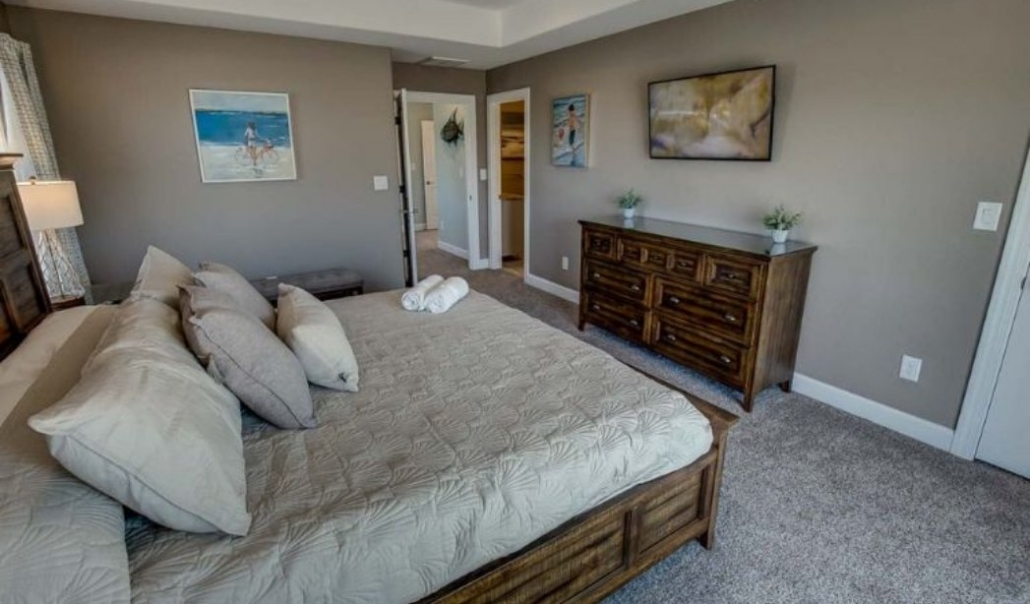
2. In-Law Suite Addition
| Feature to consider | Retirement benefit |
| Private bedroom and bathroom | Gives family members or guests personal space |
| Main-level location | Supports convenient access without stairs |
| Small sitting area | Allows independent daily routines |
| Separate entrance, when appropriate | Adds privacy for extended stays |
| Accessible design features | Helps the suite adapt to future care needs |
An in-law suite adds private, connected living space for family members who visit often or may live in the home later. During retirement, it can support multigenerational living while preserving privacy for everyone. Designed on the first floor with accessible features, the suite can also accommodate future caregiving arrangements without requiring a major change to the home.
3. Accessory Dwelling Unit (ADU)
| Feature to consider | Retirement benefit |
| Separate living space | Provides greater privacy for family or support needs |
| Bedroom and full bathroom | Supports longer stays or independent living |
| Kitchen or kitchenette | Allows more self-sufficient use of the space |
| Accessible entrance and layout | Improves long-term usability |
| Zoning and permit review | Confirms whether the project is feasible on the property |
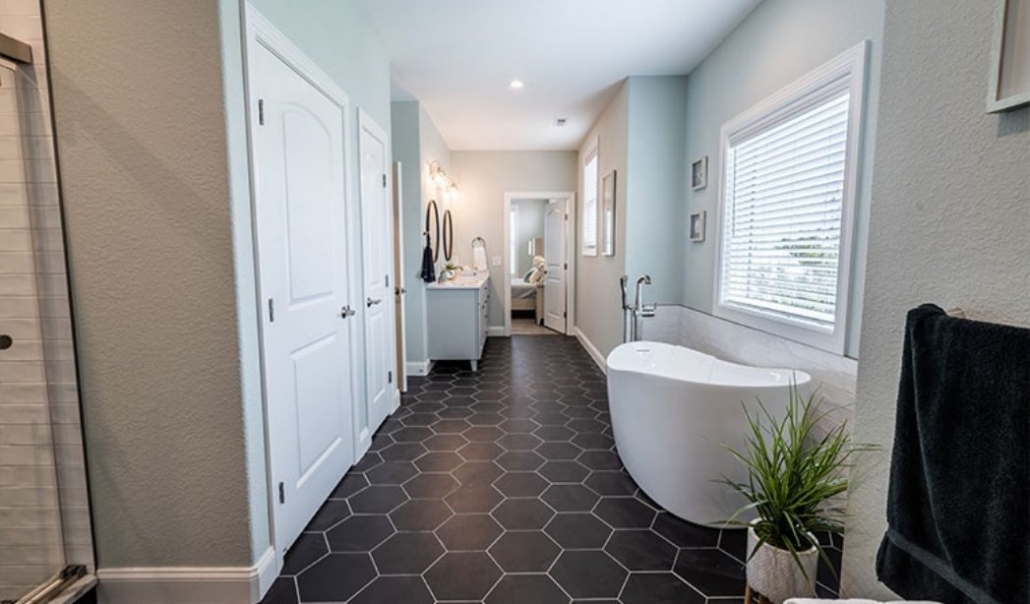
An accessory dwelling unit can provide independent living space for family, guests or possible future caregiver support while homeowners remain in their primary residence. Because an ADU may include its own entrance, bathroom and cooking area, it offers more privacy than a connected suite. In Virginia Beach, its feasibility depends on the property, zoning requirements and required approvals.
4. Caregiver Suite Addition
| Feature to consider | Retirement benefit |
| Private bedroom and bathroom | Provides comfortable living space for in-home support |
| Proximity to primary suite | Makes assistance easier when needed |
| Sitting area or kitchenette | Supports privacy and independence |
| Accessible entry and circulation | Accommodates changing mobility needs |
| Flexible layout | Allows guest or hobby use before care is needed |
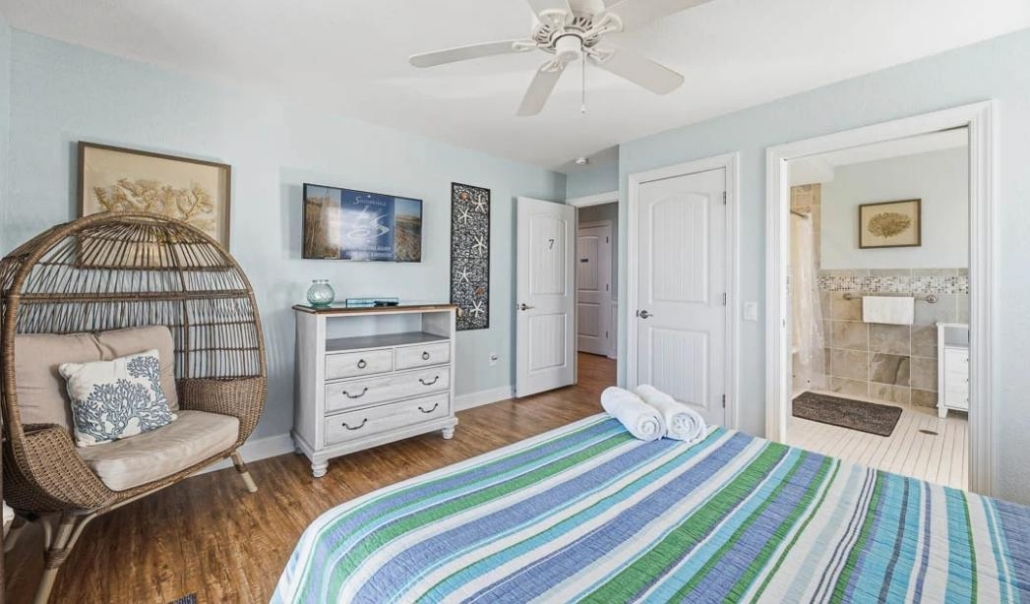
A caregiver suite creates nearby living space for future in-home support while preserving privacy for both the homeowner and caregiver. Before care is needed, the suite can function as guest accommodations or flexible living space. Planning for accessible movement, a private bathroom and convenient proximity to the primary suite helps the addition remain useful as retirement needs evolve.
5. Accessible Bathroom Addition
| Feature to consider | Retirement benefit |
| Curbless shower | Reduces barriers and trip hazards |
| Built-in shower bench | Supports safer, more comfortable bathing |
| Reinforced walls for grab bars | Allows safety supports to be added when needed |
| Wider entry and clear floor space | Improves ease of movement |
| Slip-resistant flooring | Helps reduce fall risk in wet areas |
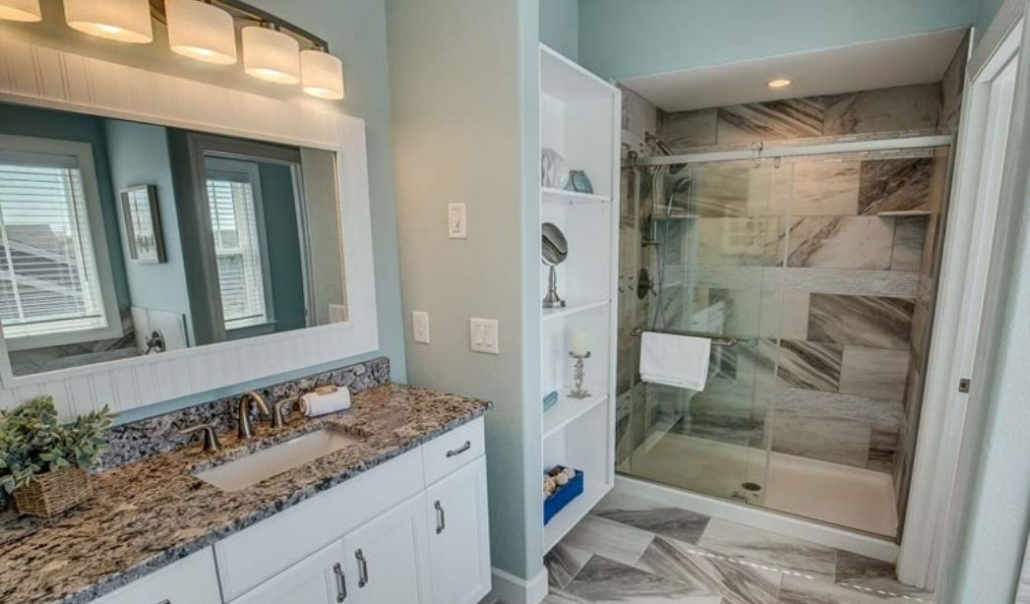
An accessible bathroom addition can improve everyday safety without sacrificing comfort or style. Features such as a curbless shower, wider clearances and slip-resistant flooring make daily routines easier and help the space remain functional as mobility changes. Adding a bathroom near a first-floor bedroom can also support long-term, main-level living during retirement.
6. Zero-Step Entry Addition
| Feature to consider | Retirement benefit |
| Flush exterior threshold | Reduces tripping risk when entering or exiting |
| Covered entrance | Provides protection from rain and slick surfaces |
| Wider entry door | Improves access with walkers or mobility devices |
| Slip-resistant surface | Supports safer movement in wet coastal weather |
| Improved lighting | Makes the entry easier to navigate at night |
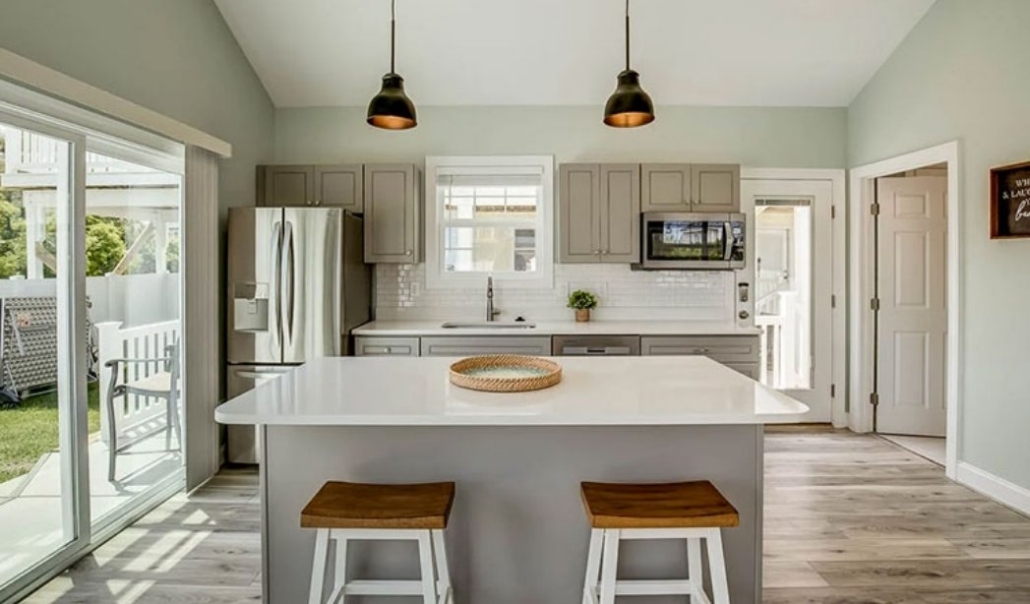
A zero-step entry removes stairs and raised thresholds from at least one entrance, creating a smoother path into the home. It can make daily access safer for homeowners, visitors and anyone carrying groceries or using mobility equipment. In Virginia Beach, a covered, slip-resistant entry is especially valuable during wet or windy weather.
7. Ramp Entry Addition
| Feature to consider | Retirement benefit |
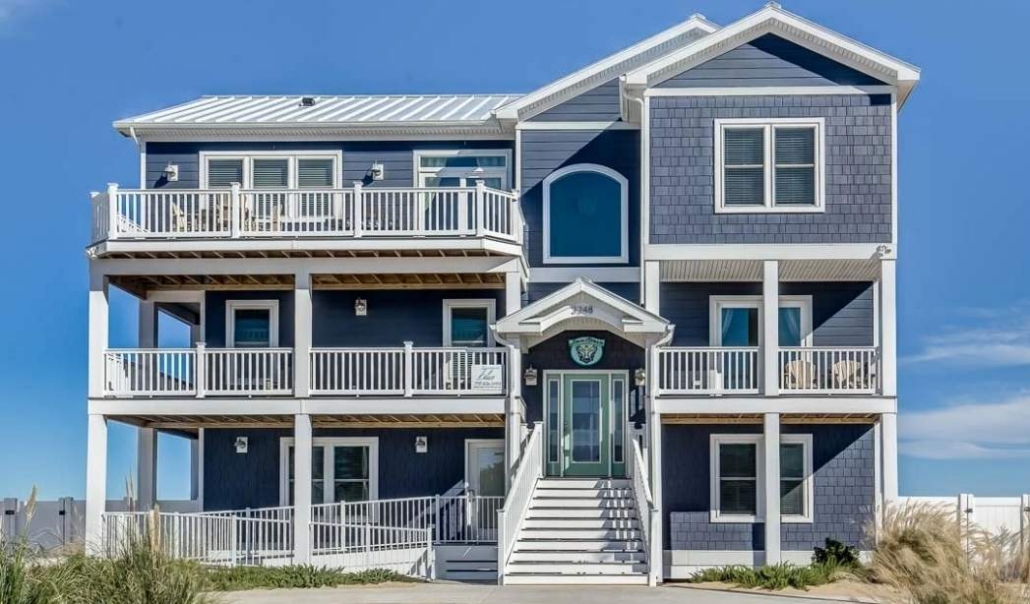
| Gentle, code-compliant slope | Supports safer, easier movement |
| Secure handrails | Adds stability when walking up or down |
| Level landings | Provides resting and turning space |
| Slip-resistant materials | Helps improve traction after rain |
| Design integrated with the home | Preserves curb appeal while improving access |
A ramp entry addition provides a practical access route when steps make entering the home difficult or unsafe. It can support wheelchair users, walkers and homeowners with limited balance or endurance. A thoughtfully designed ramp should prioritize safe slope, stable handrails, weather-resistant materials and a layout that complements the home’s exterior.
8. Wider Hallway and Doorway Expansion
| Feature to consider | Retirement benefit |
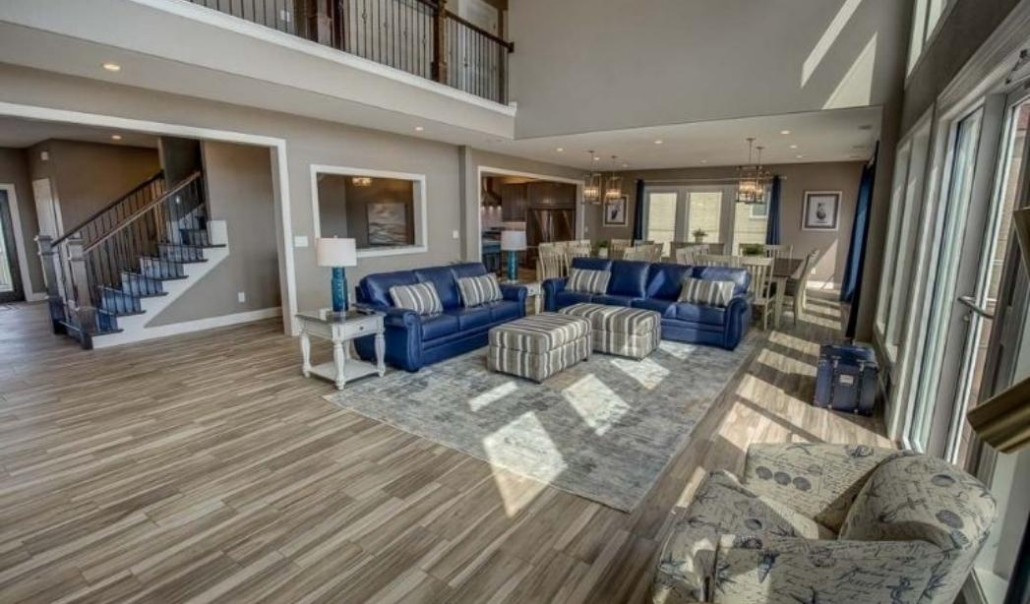
| Wider interior doorways | Makes rooms easier to access with mobility devices |
| Expanded hallway clearances | Creates more comfortable movement between living areas |
| Lever-style door handles | Requires less grip strength than round knobs |
| Reduced thresholds | Minimizes barriers between rooms |
| Open routes to bedroom and bathroom | Supports practical main-level living |
Wider hallways and doorways can make a home easier to navigate as mobility needs change. This expansion is especially useful between frequently used areas, such as a first-floor bedroom, bathroom, kitchen and living room. Reducing tight turns and narrow openings supports safer movement with walkers or wheelchairs while improving everyday comfort for all household members.
9. Home Elevator Addition
| Feature to consider | Retirement benefit |
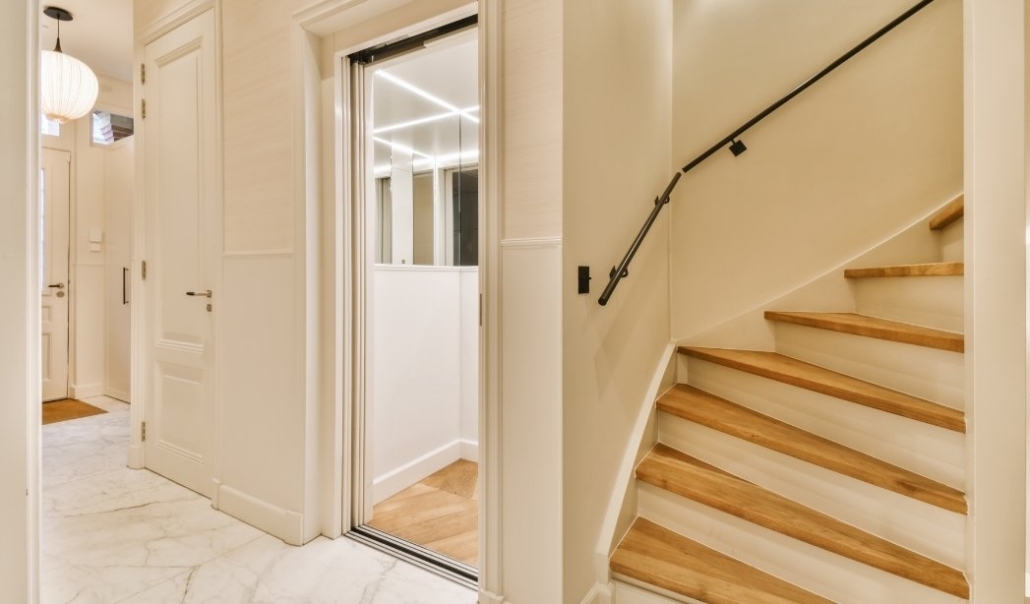
| Access to essential floors | Reduces dependence on stairs |
| Location near primary living areas | Makes daily use more convenient |
| Space for mobility equipment | Supports future accessibility needs |
| Backup power or emergency features | Improves safety during interruptions |
| Design integrated into the floor plan | Preserves function and visual appeal |
A home elevator can make retirement in a multi-story home more practical, especially when important rooms or views are located upstairs. It allows homeowners to reach multiple levels with less physical strain and can accommodate changing mobility needs. Because installation requires structural, electrical and safety planning, it is best considered early in a larger renovation or addition project.
10. Garage Conversion
| Feature to consider | Retirement benefit |
| Insulation and climate control | Creates comfortable year-round living space |
| Level interior connection | Improves access from the main home |
| Bedroom and bathroom layout | Supports guests, family or future care needs |
| Natural light and ventilation | Makes converted space feel inviting |
| Storage or parking replacement plan | Prevents lost garage function from becoming inconvenient |
A garage conversion can turn existing square footage into a bedroom suite, hobby room or flexible retirement living area without building a completely new addition. It may be especially useful for creating accessible main-level space. Before converting a garage, homeowners should consider comfort upgrades, available parking, storage needs and whether the layout supports long-term use.
11. Flex Suite Addition
| Feature to consider | Retirement benefit |
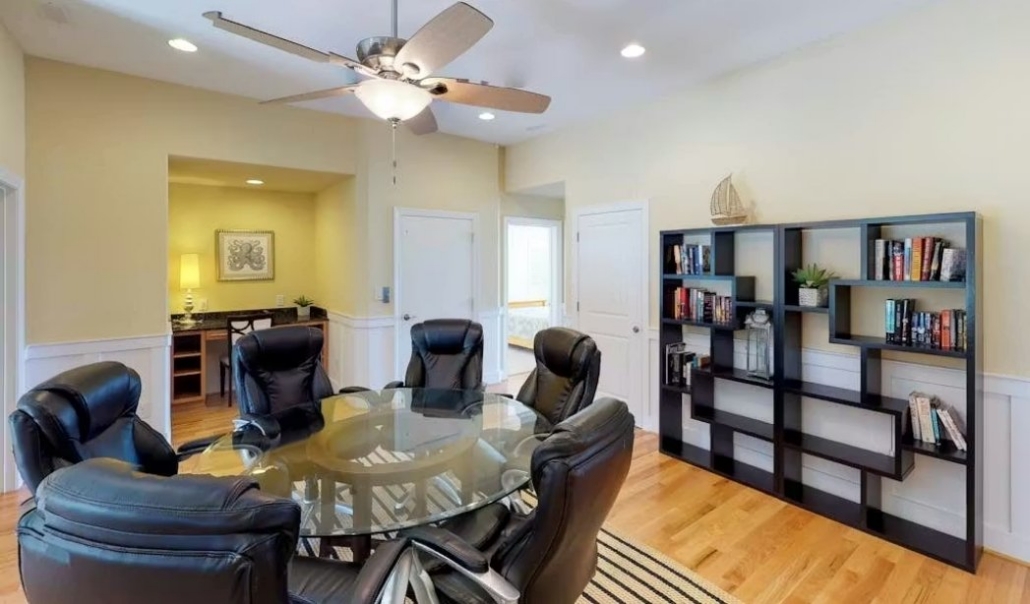
| Adaptable floor plan | Supports different uses as needs change |
| Bedroom and full bathroom | Accommodates overnight guests or family |
| Optional sitting area | Creates comfortable private living space |
| Accessible main-level design | Supports aging in place and future care |
| Storage and utility connections | Makes future updates easier |
A flex suite is designed to serve more than one purpose throughout retirement. It may begin as guest space, a hobby room or a home office, then later accommodate family members or caregiver support. By including an accessible bathroom, practical storage and a flexible layout from the start, homeowners can avoid more disruptive renovations as their needs evolve.
12. Sunroom Addition

| Feature to consider | Retirement benefit |
| Large energy-efficient windows | Brings in natural light while supporting indoor comfort |
| Climate control | Makes the space usable throughout the year |
| Level connection to the home | Reduces barriers between living areas |
| Slip-resistant flooring | Supports safer movement near outdoor access points |
| Low-maintenance materials | Reduces upkeep in retirement |
A sunroom addition creates a bright, comfortable space for reading, hobbies, morning coffee or entertaining without requiring outdoor exposure. For retirement living, it can extend the usable main-level floor plan while maintaining an easy connection to the backyard. In Virginia Beach, durable materials and efficient windows can help the room remain comfortable through changing coastal weather.
13. Screened Porch Addition
| Feature to consider | Retirement benefit |
| Screened enclosure | Allows fresh air while limiting insects and debris |
| Covered roof | Provides shade and protection from light rain |
| Level entry from the home | Makes outdoor access easier and safer |
| Ceiling fan or lighting | Improves comfort and usability |
| Durable coastal materials | Helps reduce weather-related maintenance |
A screened porch addition provides a protected place to enjoy fresh air, coastal breezes and time with family while staying shaded and sheltered from insects. A level transition from the home, comfortable seating space and low-maintenance materials can make it easier to enjoy outdoor living regularly throughout retirement.
14. Accessible Deck Addition
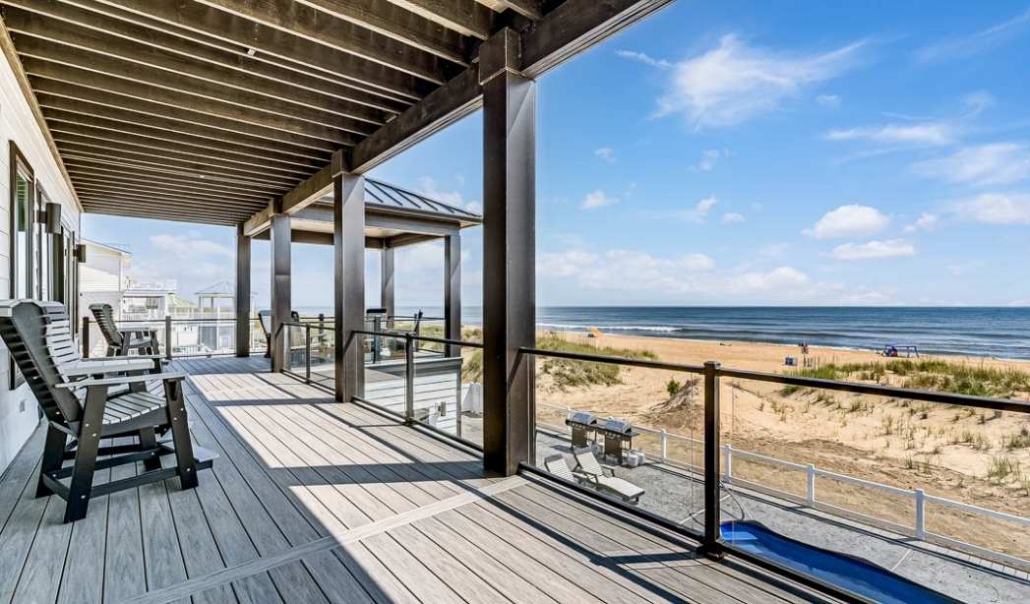
| Feature to consider | Retirement benefit |
| Step-free access from the home | Makes outdoor living easier to reach |
| Slip-resistant decking | Helps reduce fall risk in damp conditions |
| Wide pathways and open seating areas | Improves movement with mobility devices |
| Secure railings and lighting | Supports safer use in the evening |
| Low-maintenance, weather-resistant materials | Reduces upkeep in Virginia Beach’s coastal climate |
An accessible deck addition extends retirement living outdoors with space for relaxing, dining or gathering with family. Step-free access, wide circulation areas and secure railings can make the deck more comfortable to use as mobility needs change. In Virginia Beach, weather-resistant decking and slip-resistant surfaces help create a practical outdoor space designed for coastal conditions.
15. Accessible Patio Expansion
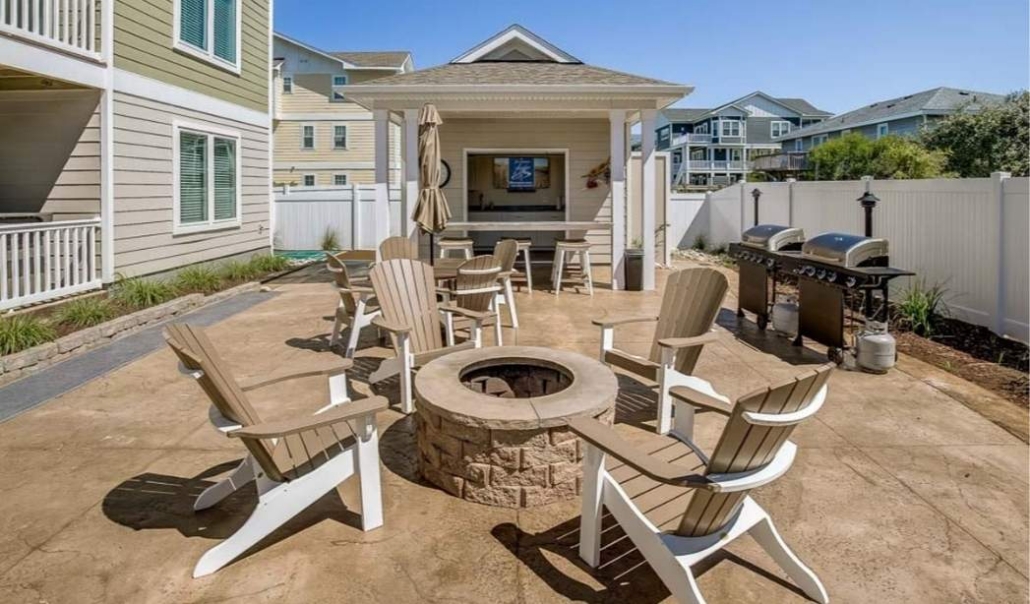
| Feature to consider | Retirement benefit |
| Level transition from indoor spaces | Reduces barriers when moving outside |
| Smooth, slip-resistant paving | Supports stable walking and easier mobility-device use |
| Wide paths around seating | Creates room for comfortable circulation |
| Shade structure or covered area | Improves comfort during warmer months |
| Low-maintenance landscaping | Makes outdoor upkeep more manageable |
An accessible patio expansion creates a level, usable outdoor area for everyday relaxation and entertaining. Compared with an elevated deck, a ground-level patio may offer simpler movement between seating, garden and yard areas. With stable paving, generous clearances and shaded seating, it can provide an enjoyable outdoor retreat that remains practical throughout retirement.
Choosing the Right Retirement Expansion for Your Home

The right retirement expansion should improve how your home works for you every day, not simply add more square footage. In Virginia Beach, your decision may depend on whether you want easier one-level living, space for family or future care, greater outdoor enjoyment or accessibility improvements that help you remain comfortable at home longer.
Evaluate Your Current Floor Plan
Begin by considering how easily you can move through your home now and how practical the layout may be in the future. Pay close attention to the location of bedrooms and bathrooms, the number of stairs used daily, narrow doorways or hallways, and steps leading to outdoor spaces.
For example, an upstairs primary bedroom may make a first-floor suite addition especially valuable. A garage connected to the main level may offer potential for a conversion. A home with attractive upper-floor living areas may be better suited to an elevator addition. Identifying the limitations of the existing layout helps you choose an expansion that solves a real long-term need.
Prioritize Your Retirement Lifestyle
Your retirement plans should guide the type of space you add. If you want easier everyday living, a first-floor primary suite or accessible bathroom may be the most practical investment. If you expect frequent visits from adult children or grandchildren, an in-law suite or flex suite may provide the privacy and flexibility your household needs.
Homeowners who enjoy spending time outdoors may benefit more from a screened porch, accessible deck or expanded patio. Others may want a separate ADU or caregiver suite to prepare for multigenerational living or future support. The goal is to select an addition that supports the way you expect to live, gather and relax in retirement.
Plan for Long-Term Comfort and Flexibility
A retirement expansion is most useful when it continues to serve your household as needs change. Features such as step-free access, wider doorways, accessible bathrooms and low-maintenance materials can improve comfort now while making the home easier to navigate later.
Flexible spaces are also worth considering. A suite used for guests today may later accommodate a family member or caregiver. A level patio or sunroom can provide enjoyable gathering space now while remaining accessible in the future. Planning for adaptability can help reduce the need for disruptive renovations later and make it easier to remain comfortably in your Virginia Beach home throughout retirement.
FAQs
Planning a home expansion for retirement often raises questions about accessibility, flexibility and local building considerations. These answers can help Virginia Beach homeowners compare options and make more informed plans for the future.
A first-floor primary suite is often a valuable choice for aging in place because it brings everyday bedroom and bathroom use onto one level. Adding features such as an accessible shower, generous door clearances and easy-to-reach storage can make daily routines safer and more convenient as mobility needs evolve.
An in-law suite can be a practical addition for retirees who want to welcome family while maintaining privacy and independence. It may also provide adaptable space for future caregiving arrangements, especially when the suite is located on the main floor and includes an accessible bathroom.
A second-story addition may be useful when a property has limited room to expand outward or when homeowners want to preserve outdoor space. However, it is typically better suited for guests, hobbies or storage unless long-term access is addressed through an elevator or a main-level living plan.
Most additions and structural changes to a home require permits in Virginia Beach. Depending on the scope of the project, homeowners may also need to account for zoning rules, setbacks, floodplain requirements or other property-specific conditions. Reviewing these requirements early can help prevent design changes or delays later.
A coastal home expansion should be planned with local conditions in mind, including moisture, wind, drainage, flooding exposure and ongoing maintenance. Durable exterior materials, weather-resistant finishes and thoughtful site planning can help an addition remain comfortable, functional and easier to maintain in Virginia Beach’s coastal environment.
Plan Your Virginia Beach Home Expansion for Retirement
A thoughtful retirement expansion can make your home more comfortable, accessible and adaptable for the years ahead. Whether your plans include a first-floor primary suite, private space for family, safer entryways or a more enjoyable outdoor living area, the right addition should support both your current lifestyle and your long-term needs.RBC Homes helps Virginia Beach homeowners plan and build custom home additions designed around comfort, function and coastal living. Contact us to discuss retirement-focused expansion ideas for your home and begin planning a space that can serve you well for years to come.