
Living in Virginia Beach – Your Guide to Coastal Living
Living in Virginia Beach means more than spending summers by the ocean. Virginia Beach is a year-round city of more than 453,000 people, with established suburban neighborhoods, military bases, business districts, rural areas, and waterfront communities along the Chesapeake Bay and Atlantic Ocean.
What Does Living in Virginia Beach Mean?
Living in Virginia Beach means combining coastal recreation and suburban living with access to schools, healthcare, and major employers. It also means relying on a car for many errands and commutes. Because housing costs, flood risk, commute routes, and aircraft noise vary across the city, choosing the right neighborhood has a major effect on the overall living experience.
Here is a snapshot of what living in Virginia Beach looks like:
| Virginia Beach Statistic | Current Figure |
| City population | 453,737 |
| Median household income | $92,968 |
| Median home sale price | $424,769 |
| Median monthly gross rent | $1,714 |
| Homeownership rate | 65.1% |
| Average commute time | 23.4 minutes |
| General real estate tax rate | $0.97 per $100 of assessed value |
| Regional living wage | $25.03 per hour |
| Average summer temperature | 79.0°F |
| Average winter temperature | 44.2°F |
| Primary employment industries | Healthcare, retail, professional and technical services, defense, tourism, and maritime logistics |
Read on to compare Virginia Beach neighborhoods, housing costs, employment opportunities, schools, weather, and the practical considerations that can influence where and how you live.
Is Virginia Beach a Good Place to Live?

Yes, Virginia Beach can be a good place to live for people who value coastal access, established neighborhoods, outdoor recreation, and suburban space. The right fit still depends on the neighborhood because housing costs, transportation, flooding, aircraft noise, and maintenance requirements vary throughout the city.
Who May Enjoy Living in Virginia Beach?
Virginia Beach may appeal to people who want convenient access to the Atlantic Ocean, Chesapeake Bay, public beaches, boat launches, and fishing areas. Swimming, surfing, boating, kayaking, and paddleboarding are all available without leaving the city.
People who prefer established communities also have many options. Virginia Beach includes mature residential neighborhoods, waterfront communities, traditional suburbs, and areas near Town Center or the Oceanfront. Available housing includes detached homes, townhouses, and condominiums, while many suburban properties provide yards, driveways, and garages.
Military households may value proximity to Naval Air Station Oceana and Joint Expeditionary Base Little Creek Fort Story, along with the military services and defense employment found throughout Hampton Roads.
The city is also well suited to residents who spend time outdoors. Its parks and recreation system includes trails, waterways, recreation centers, sports facilities, fishing areas, golf courses, and natural spaces.
Pros and Cons of Living in Virginia Beach
Virginia Beach combines coastal recreation, established communities, varied housing, and regional employment. Its large geographic area and popularity also create practical tradeoffs, particularly for residents who depend on public transportation or regularly travel through busy tourism districts.
Pros of Living in Virginia Beach
- Atlantic Ocean and Chesapeake Bay access: Residents can choose between the waves and resort activity of the Oceanfront or the generally calmer water and quieter setting of Chesapeake Bay beaches.
- Beaches, parks, and outdoor recreation: The city provides public beaches, waterways, boat launches, fishing areas, trails, natural preserves, golf courses, and organized sports through Virginia Beach Parks and Recreation.
- Established neighborhoods and varied housing: Housing options include detached homes, townhouses, condominiums, apartments, older homes, newer construction, and waterfront properties. Neighborhoods range from traditional suburbs and coastal communities to rural areas in southern Virginia Beach.
- Military and defense presence: Virginia Beach is home to NAS Oceana and Joint Expeditionary Base Little Creek Fort Story. NAS Oceana supports approximately 10,500 active Navy personnel and 4,500 civilian employees, contributing to the city’s military community and employment base. Naval Air Station Oceana
- Mild winters and community programs: Average winter temperatures are around 44°F, with limited prolonged cold or heavy snow. Residents also have access to public schools, specialized academies, libraries, youth activities, and seven community recreation centers.
- Relatively attainable coastal housing: Virginia Beach is not inexpensive, but its June 2026 median sale price of $424,769 was lower than prices in several major coastal markets. Buyers can still expect substantial differences between inland and waterfront communities.
Cons of Living in Virginia Beach
- Limited public transportation and vehicle dependence: Bus service does not reach every neighborhood or destination. Most residents rely on a personal vehicle, adding fuel, insurance, maintenance, registration, and personal property tax expenses.
- Seasonal tourist traffic: Virginia Beach welcomed 14.3 million visitors in 2024. Summer weekends and major events can bring heavier traffic, limited Oceanfront parking, crowded restaurants, and longer travel times around Atlantic Avenue and other coastal destinations.
What Does It Cost to Live in Virginia Beach?
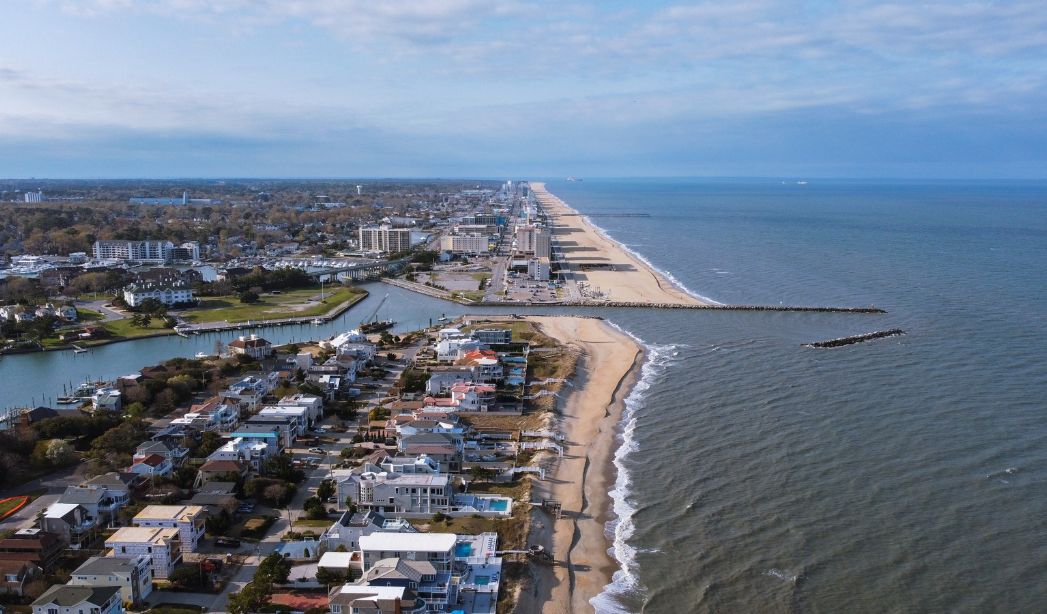
Living costs depend on housing location, household size, transportation, and flood exposure. Inland homes generally cost less than properties near the Chesapeake Bay or Atlantic Ocean, while waterfront homes may require higher spending on insurance, maintenance, and association fees.
Home Prices and Rent
The median Virginia Beach home sold for $424,769 during the three months ending June 2026, according to Redfin. Realtor.com reported a similar June 2026 median sold price of $430,000.
Rental figures vary by measurement. The Census reported median gross rent of $1,714 for occupied rentals from 2020 to 2024, while Realtor.com reported a median asking rent of $2,300 in 2026. Asking rent reflects current listings, while gross rent covers occupied properties over a multiyear period. Prices can rise substantially in Bayfront, Oceanfront, and Sandbridge communities.
Taxes and Insurance
Beyond mortgage or rent, homeowners and residents should budget for recurring costs including property taxes, insurance, and potential association fees.
Real Estate and Vehicle Taxes
Virginia Beach’s general real estate tax rate is $0.97 per $100 of assessed value. A home assessed at $424,769 would generate approximately $4,120 in annual tax before exemptions or special district charges.
Vehicles are taxed at $4 per $100 of assessed value. A vehicle assessed at $20,000 would generate an $800 bill before applicable relief or credits.
Homeowners and Flood Insurance
A 2026 analysis estimated average Virginia Beach homeowners insurance at $2,868 per year for $300,000 in dwelling coverage and a $1,000 deductible. Actual premiums depend on rebuilding cost, location, construction, claims history, deductible, and wind exposure.
Standard homeowners insurance does not cover flooding. An analysis of 2026 National Flood Insurance Program data placed Virginia’s statewide average premium at approximately $765 per year, but an individual property may cost substantially more or less. Buyers should check the exact address through the city’s floodplain resources and obtain a property specific quote.
HOA and Condominium Fees
There is no reliable citywide average for association fees. Buyers should review the community’s budget, reserves, insurance, fee history, and pending assessments, especially when fees cover exterior maintenance, elevators, pools, private roads, or beach access.
Utilities and Home Maintenance
Electricity use depends on home size, insulation, HVAC efficiency, and summer cooling. Effective July 1, 2026, the city charges a $6.30 monthly water availability fee and $6.54 per 1,000 gallons. Sewer, wastewater treatment, waste collection, and stormwater charges may also appear on applicable bills.
Landscaping and pest control costs vary by lot and service frequency. Coastal properties may also require more frequent work on roofs, siding, windows, decks, paint, railings, and metal fixtures because salt, moisture, wind, and wind driven rain accelerate wear.
What Salary Is Needed to Live in Virginia Beach?
The MIT Living Wage Calculator provides the following 2026 estimates for basic needs in the Virginia Beach, Chesapeake, and Norfolk region:
| Household | Hourly Living Wage | Required Annual Income Before Taxes |
| One adult, no children | $25.03 | $52,060 |
| One adult, one child | $39.61 | $82,390 |
| Two adults, one working, no children | $32.35 | $67,282 |
| Two adults, both working, no children | $16.09 each | $66,949 combined |
| Two adults, both working, one child | $22.37 each | $93,063 combined |
| Two adults, both working, two children | $26.97 each | $112,180 combined |
These estimates cover basic expenses rather than mortgage qualification or a more comfortable lifestyle. Debt, savings goals, childcare, housing choice, and transportation can increase the required income.
Where Are the Best Places to Live in Virginia Beach?
The best area depends on budget, commute, housing preferences, and desired beach proximity. Buyers should also compare flood exposure, aircraft noise, insurance, and road access at the property level. Prices below are recent reference points rather than complete ranges because waterfront estates, condominiums, older homes, and new construction can vary substantially.
| Area | Atmosphere and Housing | Recent Market Reference | Access and Considerations |
| Oceanfront, North End, and Croatan | The Oceanfront is the most active coastal district, with restaurants, entertainment, condominiums, townhouses, and detached homes. North End is quieter and primarily residential. Croatan is a smaller beach community south of Rudee Inlet. | Median sale prices for the three months ending June 2026 were about $700,000 at the Oceanfront, $1.1 million in North Virginia Beach, and $1.3 million in Croatan. | Direct Atlantic access and Interstate 264 are major advantages. Summer traffic, coastal flooding, storm surge, wind, insurance, and aircraft noise require review, especially near Croatan and NAS Oceana. |
| Chic’s Beach, Ocean Park, and Shore Drive | These relaxed Chesapeake Bay communities include cottages, condominiums, townhouses, waterfront homes, and newer construction. Calmer bay water supports swimming, kayaking, paddleboarding, and boating. | May 2026 median listing prices were approximately $600,000 in Bayfront, $679,820 in Ocean Park, and $689,450 in Chic’s Beach. Waterfront and newer homes can cost more. | Shore Drive, Northampton Boulevard, and Independence Boulevard connect the area with Little Creek, Norfolk, Town Center, and Interstate 64. Flood exposure can be significant near the bay, Lynnhaven River, and surrounding creeks. |
| Great Neck | Great Neck offers an established suburban setting with ranches, traditional two story homes, townhouses, condominiums, and larger waterfront properties. | The median sale price was $474,835 during the three months ending June 2026. Renovated and waterfront homes can cost considerably more. | Its central location provides access to Town Center, the Oceanfront, Chesapeake Bay beaches, and Lynnhaven waterways. Flood and aircraft noise conditions vary by address. |
| Town Center, Pembroke, and Thalia | Town Center concentrates apartments, condominiums, offices, restaurants, shopping, and entertainment. Pembroke and Thalia add established neighborhoods, townhouses, and detached homes. | Reference points include a $385,000 median listing price in Pembroke Manor, a $492,763 average home value in Pembroke, and a $431,000 median listing price in ZIP code 23452. | Interstate 264 provides relatively direct travel toward Norfolk and the Oceanfront. Beaches require driving, while drainage, flooding, and aircraft noise remain property specific. |
| Kempsville | This large inland area offers mature neighborhoods, shopping, schools, parks, ranches, two story homes, townhouses, condominiums, and newer developments. | The median home sold for $414,706 during the three months ending June 2026. | Kempsville provides practical access to Interstates 64 and 264, Chesapeake, and Norfolk. It is farther from the beaches, and buyers should still check drainage, creeks, flood zones, and aircraft noise. |
| Red Mill, Landstown, and Princess Anne | These southern suburban communities provide shopping, sports facilities, established neighborhoods, newer subdivisions, townhouses, and detached homes near the Municipal Center. | Recent median sale prices were approximately $499,826 in Red Mill Farm and $482,332 in Landstown Meadows. | The area is convenient to NAS Oceana, Dam Neck, the Municipal Center, and Sandbridge. Norfolk and northern Virginia Beach may require longer drives. Flood exposure and aircraft noise vary considerably. |
| Sandbridge and Pungo | Sandbridge contains beach houses, vacation properties, condominiums, and waterfront homes between the Atlantic and Back Bay. Pungo provides farms, acreage, older homes, and custom properties in a rural setting. | The median Sandbridge sale price was $1,014,647 for the three months ending June 2026. Pungo and Blackwater had an approximate $730,000 median listing price through May 2026. | Both areas have longer drives and fewer alternate routes. Sandbridge requires detailed storm surge, elevation, flood, and insurance review. Low lying Pungo properties may also face drainage concerns, and military aircraft may be heard. |
Neighborhood statistics can change quickly when few homes sell or property types vary widely. Before choosing an area, test the commute during normal work hours, visit during military flight operations, and check the exact address through the city’s floodplain resources and aircraft noise maps.
Jobs and Commuting in Virginia Beach
Virginia Beach residents work throughout the city and Hampton Roads, where military bases, hospitals, schools, tourism businesses, offices, ports, and shipyards are spread across several cities. Job location and commute route are therefore important when choosing a neighborhood.
Major Industries and Employers
About 221,000 employed people lived in Virginia Beach in 2024. Healthcare and social assistance, retail, and professional, scientific, and technical services were their largest industries. These figures include residents whose workplaces are outside the city. Data USA
Military and defense remain central to the local economy. Naval Air Station Oceana, Dam Neck Annex, and Joint Expeditionary Base Little Creek Fort Story employ active duty personnel, civilians, and contractors. The NAS Oceana complex alone includes approximately 10,500 active Navy personnel and 4,500 civilian employees.
Healthcare is another major sector, with Sentara employing approximately 4,900 civilians in the city in 2025. Tourism also has a substantial regional impact, supporting approximately 34,076 direct, indirect, and induced jobs in 2024.
| Major Employer | Approximate Civilian Employees |
| Joint Expeditionary Base Little Creek Fort Story | 5,020 |
| Sentara Healthcare | 4,900 |
| Naval Air Station Oceana and Dam Neck | 4,500 |
| GEICO | 3,600 |
| STIHL Incorporated | 3,300 |
Source: Virginia Beach Economic Development
Other important fields include education, construction, professional services, maritime work, logistics, and manufacturing. Employment centers include the military bases, Town Center, the Oceanfront, Princess Anne Commons, Sentara campuses, and Airport Industrial Park.
Commuting and Traffic
The average commute was 23.4 minutes during the 2020 to 2024 Census reporting period. In 2024, approximately 74 percent of residents drove alone, 14.3 percent worked from home, and 7.42 percent carpooled.
Interstate 264 connects the Oceanfront, central Virginia Beach, and Norfolk. Traffic may increase near military gates during shift changes and near the Oceanfront during summer and major events. Regional commutes can also be delayed by bridge and tunnel congestion.
Public Transportation
Hampton Roads Transit buses serve selected corridors and destinations, including the Oceanfront, Town Center, major hospitals, military installations, and Downtown Norfolk. Seasonal Oceanfront shuttles and OnDemand service expand some options, but the Tide light rail ends at Newtown Road. Most residents will find a car necessary or more convenient.
Test the Commute Before Choosing a Neighborhood
Before buying or renting, test the full trip during normal work hours. Include military gate traffic, summer tourism, bridge or tunnel delays, transit transfers, and walking time. A short distance can still produce a difficult commute when the route depends on a congested interchange or limited transit service.
Schools, Healthcare and Everyday Services
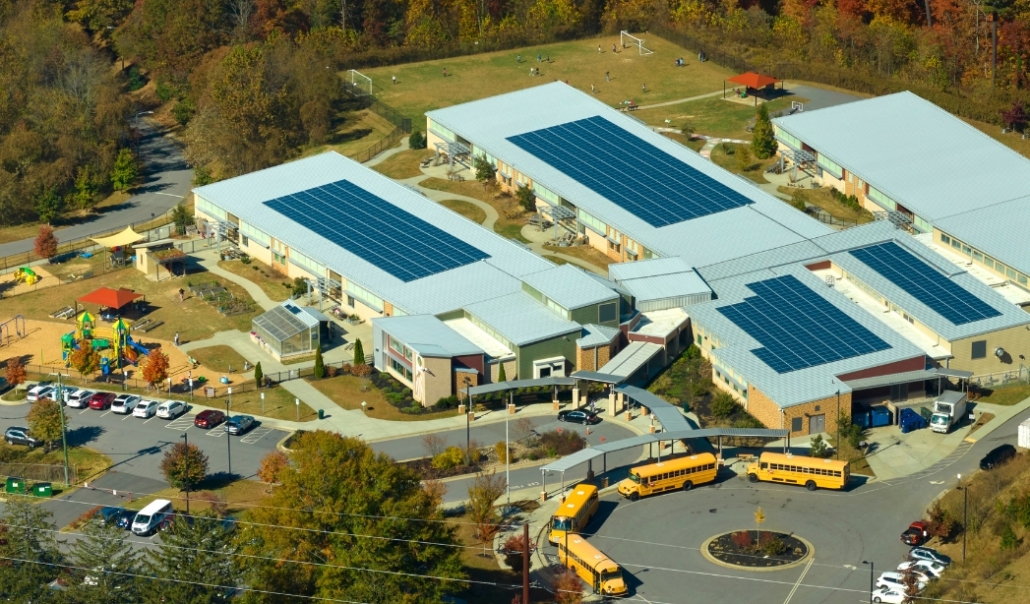
Virginia Beach offers public and private schools, higher education, two acute care hospitals, libraries, recreation centers, and municipal services. Availability and travel times vary by property.
Education
Virginia Beach City Public Schools operates 85 schools serving approximately 64,000 students in 2025 to 2026. The division reported a 96.9 percent on time graduation rate for 2024 to 2025, while 74 percent of Advanced Placement exams earned a score of three or higher.
Students are assigned schools by home address. Boundaries may not follow neighborhood names or ZIP codes, so nearby homes can have different assignments. Check each property through the official VBCPS School Locator.
VBCPS offers application based academies covering health sciences, legal studies, business, STEM, international studies, and the arts, along with career and technical programs. Learn more through VBCPS Academies and Advanced Programs. Local higher education options include Tidewater Community College, Regent University, Batten University, and ECPI University.
Healthcare
Virginia Beach has two primary acute care hospitals. Sentara Virginia Beach General Hospital is a 273 bed facility with a Level III Trauma Center and heart, neuroscience, cancer, orthopedic, and behavioral health services. Sentara Princess Anne Hospital is a 174 bed facility offering emergency care, maternity, neonatal intensive care, surgery, imaging, and orthopedics.
Primary care, urgent care, imaging, and specialty practices are distributed across the city. The CHKD Health Center at Landstown provides pediatric specialty services, while the main children’s hospital is in Norfolk. Residents with ongoing medical needs should confirm provider networks and travel times.
Everyday Services
Virginia Beach operates 10 public library locations and seven community recreation centers, with amenities that may include pools, gyms, fitness classes, and youth programs.
Public Utilities provides water and sewer service, while HRSD handles wastewater treatment. Dominion Energy supplies electricity, and Virginia Natural Gas serves eligible properties. Buyers in Pungo and southern Virginia Beach should verify whether a home uses public utilities or a private well and septic system. The city also provides trash, recycling, stormwater, yard waste, and bulky item services.
Before choosing a property, confirm its school assignments, healthcare access, insurance networks, and utility connections.
Weather and Coastal Living Considerations
Virginia Beach has hot, humid summers, mild winters, year round rainfall, and occasional snow. Coastal access moderates some extremes but also brings tropical storms, salt spray, wind driven rain, and added maintenance.
What Is the Weather Like in Virginia Beach?
The following 1991 to 2020 climate normals use Norfolk International Airport as the nearest major NOAA reference station:
| Climate Measure | Regional Normal |
| Average summer temperature | 79.0°F |
| Typical summer high and low | 87°F and 71°F |
| Average winter temperature | 44.2°F |
| Typical winter high and low | 53°F and 35°F |
| Average annual precipitation | 49.2 inches |
| Average annual snowfall | 6.2 inches |
Source: NOAA U.S. Climate Normals
Summers are warm and humid, with temperatures sometimes reaching the 90s. Air conditioning, ventilation, and moisture control are important because crawl spaces, attics, and poorly ventilated rooms may develop mildew or mold.
Winters are generally mild, although freezing temperatures and occasional snow or ice occur. Rain falls throughout the year, and thunderstorms or tropical systems can produce intense rainfall. Lot elevation, drainage, nearby waterways, and street design often matter more than the annual rainfall total.
Hurricanes and Tropical Storms
Atlantic hurricane season runs from June 1 through November 30. Direct hurricane landfalls are not annual events, but tropical systems and offshore storms can still bring heavy rain, damaging wind, storm surge, rough surf, fallen trees, and power outages.
Residents should register for VBAlert, maintain emergency supplies, secure outdoor objects, clear gutters and drains, and follow current city instructions.
Virginia uses coastal evacuation Zones A through D. Residents can check an address through Virginia Know Your Zone. Evacuation zones organize movement away from storm surge and differ from FEMA flood zones, which describe long term flood risk and may affect insurance requirements.
Waterfront and low lying property buyers should review elevation, drainage history, storm damage, evacuation routes, flood zones, and insurance costs.
Coastal Home Maintenance
Salt, humidity, wind, and rain can accelerate corrosion, peeling paint, failed sealants, wood decay, and roof or siding damage. Homes near the Atlantic Ocean or Chesapeake Bay generally face the greatest exposure, but moisture affects properties throughout the city.
Buyers should inspect roofing, flashing, siding, windows, exterior doors, decks, fasteners, crawl spaces, gutters, grading, and drainage. Ask about previous water intrusion, storm repairs, roof or window replacements, corrosion, and maintenance records. These details can reveal future costs that may not be apparent during a routine showing.
Lifestyle and Things to Do in Virginia Beach

Living in Virginia Beach provides year round access to beaches, waterways, parks, trails, cultural venues, restaurants, and events. The Oceanfront offers the most activity, while Chesapeake Bay communities, Sandbridge, and southern natural areas provide quieter options.
Beaches and Water Activities
The Oceanfront is the main resort and entertainment district, with a three mile boardwalk, beach entrances, restaurants, shops, public art, and event stages. Rudee Inlet offers fishing charters, boat tours, rentals, and waterfront dining. Summer crowds, traffic, and parking demand are the main tradeoffs.
North End offers a quieter residential Atlantic beach experience. Chesapeake Bay beaches around Chic’s Beach, Ocean Park, and Shore Drive generally have calmer water and a relaxed atmosphere. Sandbridge provides a more secluded coastline, while Little Island Park includes beach access, a fishing pier, picnic areas, and a kayak launch.
Swimming, surfing, boating, fishing, kayaking, and paddleboarding are available throughout the city. Conditions, regulations, launch access, and license requirements vary, so residents should check current beach rules and waterway access sites.
Parks and Outdoor Recreation
Virginia Beach manages more than 200 parks and facilities covering over 7,000 acres. First Landing State Park contains approximately 20 miles of trails, Chesapeake Bay shoreline, maritime forest, wetlands, camping, and paddling access.
Back Bay National Wildlife Refuge protects dunes, marshes, beaches, and wildlife habitat near Sandbridge. Visitors can hike, bike, fish, kayak, and observe wildlife, although some trails close seasonally. Mount Trashmore provides centrally located walking paths, playgrounds, fitness areas, lakes, a skate park, and community events.
Other destinations include Stumpy Lake, Pleasure House Point, Lake Lawson and Lake Smith, Marshview Park, and Munden Point Park. The city also has more than 300 miles of bikeways and trails, plus public and private golf courses.
Arts, Dining, and Events
Town Center includes the Sandler Center, Zeiders American Dream Theater, restaurants, nightlife, and shopping. The Virginia Museum of Contemporary Art presents exhibitions, classes, and public programs, while the ViBe Creative District features murals, galleries, markets, breweries, and independent restaurants.
Other attractions include the Virginia Aquarium, Military Aviation Museum, Veterans United Home Loans Amphitheater, comedy venues, and local museums. Dining and nightlife are spread among the Oceanfront, Shore Drive, Town Center, and ViBe rather than concentrated in one walkable downtown.
Annual events include the East Coast Surfing Championships, Neptune Festival, Boardwalk Art Show, sand soccer tournaments, concerts, races, and Holiday Lights at the Beach. Check the official Virginia Beach events calendar for current dates, parking, and street closures.
Frequently Asked Questions

Here are the most frequently asked questions about living in Virginia Beach.
Is Virginia Beach a Good Place to Live?
Yes. Virginia Beach may suit people who value beaches, outdoor recreation, suburban space, established neighborhoods, and employment opportunities. The best fit depends on the neighborhood because housing costs, commute times, flood exposure, aircraft noise, and maintenance requirements vary across the city.
Is Virginia Beach Expensive to Live In?
Virginia Beach can be expensive, especially near the Atlantic Ocean or Chesapeake Bay. The median home sale price was $424,769 during the three months ending June 2026. Buyers should also budget for property taxes, insurance, possible flood coverage, vehicle taxes, utilities, and maintenance.
What Salary Do You Need to Live in Virginia Beach?
The MIT Living Wage Calculator estimated that one adult without children needed about $52,060 before taxes in 2026. Two working adults needed approximately $66,950 combined without children, $93,060 with one child, or $112,180 with two children. Housing, childcare, debt, and transportation can increase the amount required.
What Is the Best Part of Virginia Beach to Live In?
The best area depends on budget, commute, housing preferences, and desired beach proximity. North End and Croatan offer Atlantic access, while Chic’s Beach and Ocean Park provide a Chesapeake Bay setting. Great Neck, Kempsville, Red Mill, and Landstown offer suburban neighborhoods. Town Center is convenient for shopping and entertainment, while Sandbridge and Pungo are more secluded.
Do You Need a Car in Virginia Beach?
Most residents will find a car necessary or more convenient. Hampton Roads Transit serves selected corridors, but coverage and frequency are limited in many neighborhoods. The Tide light rail ends at Newtown Road. Living without a car is most practical near a compatible HRT bus route or OnDemand service area.
Is Living in Virginia Beach Right for You?
Virginia Beach combines coastal recreation, established neighborhoods, regional employment, schools, parks, and year round activities. Its suitability depends on your budget, commute, preferred housing type, and desired proximity to the water.
Before choosing a property, compare home prices, insurance costs, flood exposure, aircraft noise, school assignments, transportation, and maintenance needs. Evaluating the exact address can reveal differences that neighborhood averages or real estate listings may not show.
Discuss Your Virginia Beach Home Project
RBC Homes can remodel an established home, create more functional living space, add outdoor features, or build a custom home. Contact RBC Homes to discuss your property, design preferences, budget, and plans for creating a home that fits the way you want to live in Virginia Beach.