Build a Family Home in Virginia Beach – What to Know
Building a family home in Virginia Beach gives you the chance to create a space that fits your family from the start. Compared to buying, building offers more flexibility in layout, storage, and features, so your home can match the way your family lives now and grow with you over time.
While buying may be the faster option, building gives families more choice in design, location, and long-term function. With the right planning, it can be a smart way to create a home that supports your lifestyle for years to come.
Read on to learn how to plan the right family home in Virginia Beach, from budget and location to layout and everyday living.
Cost of Building a Family Home in Virginia Beach
The cost to build a family home in Virginia Beach depends on construction pricing, home size, and land costs. For most families, the total investment typically ranges from $400,000 to $900,000+, depending on location, size, customization, and finishes.
Core Building Costs

Construction costs for a new home in Virginia Beach generally fall between $150 to $300 per square foot, depending on the level of customization and materials.
According to HomeAdvisor and regional builder estimates, base construction costs include:
- Materials and labor
- Permits and inspections
- Standard interior finishes
Additional costs families should plan for:
- Site preparation: $10,000 – $50,000+ (depending on lot conditions)
- Utility connections: $5,000 – $30,000
- Driveway, landscaping, outdoor space: $10,000 – $40,000+
Cost Per Square Foot for Family-Sized Homes
Most family homes fall between 2,000 and 3,500+ square feet, which puts estimated construction costs at:
- $300,000 – $1,000,000+ (construction only)
According to NAHB, larger homes tend to have a higher total cost but may have slightly lower cost per square foot depending on design efficiency.
Costs increase with:
- Additional bedrooms and bathrooms
- Open-concept kitchens and living areas
- Custom storage and built-ins
- Energy-efficient or coastal-resistant construction
Land + Construction Combined Costs

Land prices in Virginia Beach vary significantly based on location.
- Typical lot prices: $100,000 – $400,000+
- Premium coastal or high-demand areas: $400,000 – $800,000+
According to Zillow and local market data, combining land and construction brings most family home projects to:
- $400,000 – $1.2M+ total investment
The final cost depends on:
- Neighborhood and lot price
- Home size and layout
- Level of customization
Planning for both land and construction early helps families set a realistic budget and avoid cost overruns during the build process.
Read More: How Long Does It Take to Build a House in Virginia Beach, VA?
Family-Driven Cost Factors
When families build a home, costs often increase based on the amount of space and functionality they need. Features that support daily routines, like more bedrooms, larger kitchens, and outdoor areas, can significantly impact the total budget.
Extra bedrooms and bathrooms
Adding bedrooms and bathrooms increases both square footage and construction complexity.
- Additional bedroom: $20,000 – $50,000+
- Additional bathroom: $15,000 – $40,000+
Bathrooms tend to be more expensive due to plumbing, tile work, fixtures, and labor. Homes with multiple kids or guests often require extra bathrooms, which can quickly raise overall costs.
Larger kitchens and living areas
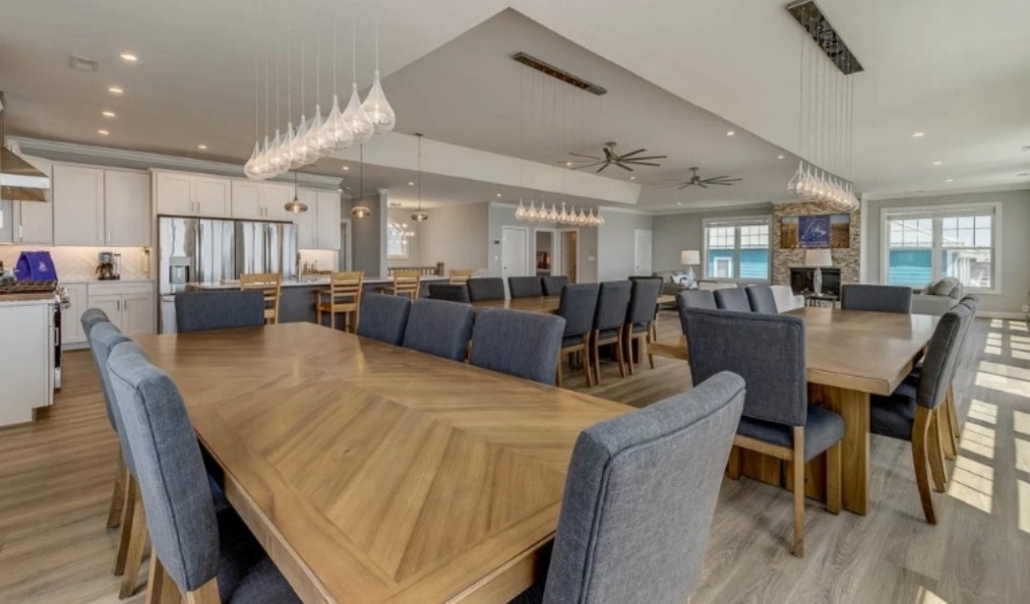
Family homes often prioritize open-concept layouts, bigger kitchens, and shared living spaces.
- Kitchen upgrades (islands, cabinetry, countertops): $25,000 – $75,000+
- Expanding living space/open floor plan: $20,000 – $100,000+
Costs vary depending on materials, layout changes, and structural work, especially if you’re increasing square footage.
Outdoor space for kids
Outdoor areas are a major priority for families in Virginia Beach, especially for play and entertaining.
- Fencing: $5,000 – $15,000
- Patio or outdoor living area: $10,000 – $40,000+
- Basic landscaping: $5,000 – $20,000+
Larger yards, covered porches, and durable materials for coastal conditions can increase these costs further.
Hidden Costs Families Often Miss
Beyond the main construction budget, there are several smaller, but important costs that families often overlook. These upgrades improve daily life, safety, and organization, but they can add up quickly if not planned early.
Child-Friendly Upgrades (Fencing, Safety Features)
Creating a safe environment for kids is a priority for most families, especially with outdoor space.
- Fencing: $5,000–$15,000
- Safety features such as gates, stair railings, and non-slip flooring: $1,000–$10,000+
These features are often added later, which can make them more expensive than including them in the original plan.
Storage and Organization Solutions
Family homes need enough storage to stay functional as kids grow and routines change.
- Custom closets or built-ins: $2,000–$10,000+
- Pantry upgrades or mudrooms: $3,000–$15,000+
Including storage early can help families avoid renovation costs later.
Future Renovations as Kids Grow
Many families eventually update their home to match changing needs.
- Finishing a basement: $20,000–$70,000+
- Converting flex spaces like a playroom or office: $5,000–$25,000+
- Adding or upgrading rooms later: $30,000–$100,000+
Planning for flexibility from the start can make future changes easier and more affordable.
Read More: Best ROI Home Additions in Virginia Beach – 6 Top Choices
Step-by-Step Process for Building a Family Home
Building a family home in Virginia Beach involves more than choosing a floor plan. Families also need to think about location, daily routines, timing, and how the home will function over time. Taking each step with your family’s needs in mind can make the process smoother and help you build a home that works now and in the future.
Planning Your Family’s Needs First
Start by separating your must-haves from your nice-to-haves. This helps you focus your budget on the features your family will use every day instead of stretching for extras that matter less.
Must-Haves vs. Nice-to-Haves
Think about the number of bedrooms, bathroom count, storage, kitchen size, and whether you need flexible space for work, play, or guests. Once those priorities are clear, it becomes easier to make design and budget decisions throughout the process.
Choosing the Right Location for Your Family
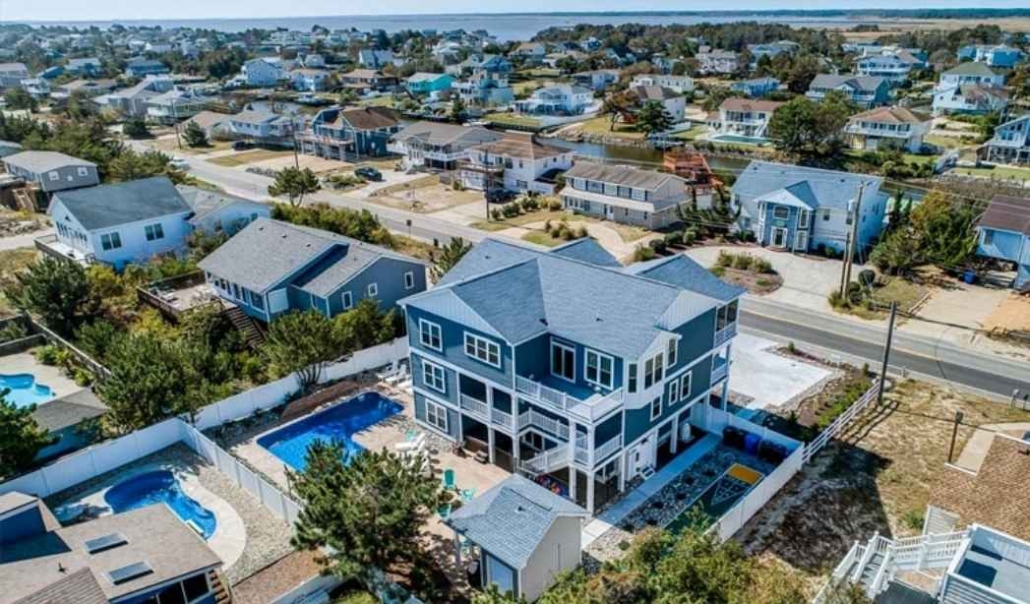
Location shapes your family’s day-to-day experience just as much as the home itself. A great floor plan in the wrong area may not support your lifestyle the way you want.
Proximity to Schools, Parks, and Safety
Many families start by looking at access to schools, parks, shopping, and major roads. It is also important to consider traffic patterns, neighborhood feel, and whether the area supports the routines and long-term goals that matter most to your family.
Selecting a Builder Who Understands Family Homes

Not every builder approaches family living the same way. Choosing one with experience in family-friendly design can make a big difference in how well the finished home fits your needs.
Experience With Functional Layouts and Flexibility for Customization
Look for a builder who understands practical layouts, storage needs, and the balance between shared spaces and private areas. Flexibility is also important, especially if you want to adjust the design to fit your family’s lifestyle.
Designing Your Home for Real Family Living

A home that looks good on paper still needs to work in everyday life. The design stage is where families can shape how the home feels and functions from morning routines to quiet evenings.
Open Spaces vs. Private Areas
Open living areas can make it easier for families to spend time together, while private spaces give everyone room to recharge. The right balance depends on your family’s size, schedule, and lifestyle.
Noise Control and Separation
Families should also think about noise early in the design process. Bedroom placement, office location, play areas, and shared walls can all affect comfort once the home is lived in every day.
Managing the Construction Phase With a Family Timeline in Mind
Construction affects more than your move-in date. For families, it can impact school schedules, work routines, and temporary living arrangements.
Planning Around School Years
Many families prefer to plan construction around the school calendar to make the move less disruptive. That can help reduce stress and make the transition easier for both parents and children.
Temporary Housing Considerations
If your current home is sold or your lease ends before construction is complete, you may need temporary housing. Planning for that possibility early can help you avoid rushed decisions later.
Moving In and Adjusting as a Family

Once construction is complete, there is still a period of adjustment as your family settles into the new home. That first stage of living in the space often reveals small changes that can improve comfort and function.
Settling Into Routines
As your family gets used to the new layout, you may find better ways to use storage, organize shared spaces, or set up rooms for daily routines.
Final Tweaks After Living in the Space
Small updates after move-in, such as shelving, organization systems, or minor layout changes, can help the home feel even more functional over time.
Choosing the Best Neighborhoods in Virginia Beach for Families
The right neighborhood plays a major role in how well your home supports your family’s lifestyle. Beyond the house itself, families should consider daily routines, long-term needs, and overall quality of life when choosing where to build.
What Makes a Neighborhood Family-Friendly
A family-friendly neighborhood is one that supports convenience, safety, and long-term livability.
Access to Schools, Parks, and Daily Needs
Proximity to schools, parks, grocery stores, and healthcare can make everyday life easier. Shorter commutes and nearby amenities are especially important for families with young children.
Safety and Community Environment
Quiet streets, low traffic, and a strong sense of community are key factors many families look for. Neighborhoods with sidewalks, shared spaces, and family-oriented amenities tend to feel more comfortable for long-term living.
Space and Layout of the Area
Lot size, yard space, and how homes are spaced out can impact how functional the area feels. Families often prefer neighborhoods that offer room for outdoor activities and privacy.
Types of Neighborhoods to Consider

Virginia Beach is not one-size-fits-all for families. Some areas are better for established neighborhoods near top schools and shopping, while others make more sense for larger lots, newer homes, or a quieter setting. The best fit depends on whether your family prioritizes convenience, newer construction, lot size, or long-term flexibility.
Established Family Areas
Established parts of Virginia Beach, including areas around Great Neck, Kempsville, and Red Mill, are often attractive to families because they already have schools, parks, shopping, and a more settled neighborhood feel. These areas can offer mature trees, larger resale inventory, and easier access to daily needs, but buildable lots may be harder to find than in newer growth areas.
Newer Community and Infill Build Areas
Families who want a newer home may look at new construction communities or smaller infill opportunities in parts of Virginia Beach where builders are still adding homes. For example, communities like Prosperity at the Pines and Woodford Estates show the kind of newer-build options families may find, with modern floor plans, sidewalks, and community-oriented features. The tradeoff is that these homes may come with HOA requirements, smaller lots, or less flexibility than a fully custom build on private land.
Larger-Lot and More Flexible Build Areas
Families who want more yard space, privacy, or room for future growth often look toward the Princess Anne, Courthouse, Hickory, or Sandbridge-adjacent areas, where larger lots and custom-home opportunities are more common. These locations can work well for families who want outdoor space, fewer close neighbors, or more flexibility in home design, but they may also mean longer drives to shopping, work, or after-school activities.
Coastal Lifestyle Areas
Some families are drawn to coastal neighborhoods because they want to be close to the beach or bay, including areas like Chic’s Beach, North End, or Sandbridge. These locations offer a unique lifestyle, but families should also weigh traffic, lot cost, storm exposure, and whether the daily routine will be as convenient as it looks on paper.
Mistakes Families Make When Choosing Location

Choosing the wrong location can impact daily life just as much as the wrong floor plan. Avoiding common mistakes can help families make a more confident decision.
Focusing Only on the Home, Not the Area
It’s easy to prioritize the house design and overlook the neighborhood. However, location affects commute times, school access, and overall lifestyle.
Underestimating Commute and Traffic
Even a great home can become frustrating if daily commutes are longer than expected. Testing drive times during peak hours can help avoid surprises.
Not Planning for Long-Term Needs
Families should think beyond their current situation. Changes like growing children, school transitions, or lifestyle shifts can make a neighborhood more or less suitable over time.
Designing a Family-Friendly Floor Plan That Actually Works
A family-friendly floor plan should support daily routines, improve organization, and stay functional as your needs change over time.
Must-Have Features for Families
- Open kitchen and living areas: Open-concept spaces make it easier for families to cook, relax, and spend time together in one central area.
- Enough bedrooms and bathrooms: The right bedroom and bathroom count helps reduce stress during busy mornings and gives everyone the space they need.
- Practical storage: Walk-in closets, pantries, mudrooms, and built-ins help keep everyday items organized and reduce clutter.
- Flexible bonus space: A playroom, office, or guest room adds function and gives families more options as routines change.
Smart Layout Decisions
- Separate shared and private spaces: Keeping bedrooms away from main living areas can improve privacy and reduce noise.
- Create functional entry points: Mudrooms, garage entries, and drop zones help manage shoes, bags, and daily mess.
- Think about sightlines: Parents often prefer layouts that make it easier to watch children from the kitchen or living area.
- Use multi-purpose rooms: Spaces that can serve more than one function offer better long-term value for growing families.
Future-Proofing Your Home
- Plan for changing needs: Extra bedrooms, flex spaces, or unfinished areas can make future updates easier.
- Support new routines: A home may need to adapt over time for schoolwork, remote work, hobbies, or guests.
- Choose durable materials: Long-lasting finishes and practical design choices can reduce maintenance and hold up better for everyday family life.
- Build for long-term function: The best floor plans work well not just now, but as your family grows and changes.
Working with a custom builder like RBC Homes can help families create a floor plan that fits both their current lifestyle and long-term goals.
Virginia Beach-Specific Factors Families Must Consider

Building a family home in Virginia Beach comes with unique local factors that can impact design, cost, and long-term comfort. Understanding these early helps families avoid surprises and build a home that fits the coastal environment.
Coastal and Weather-Related Considerations
These factors directly affect how your home is built and how well it holds up over time.
- Flood zones and elevation: Some areas of Virginia Beach require elevated foundations or additional drainage solutions, which can add $10,000–$50,000+ to the project.
- Hurricane and wind resistance: Homes may need reinforced roofing, impact-rated windows, or stricter building standards to handle coastal storms.
- Humidity and moisture control: High humidity can affect materials over time, so proper insulation, ventilation, and mold-resistant materials are important.
- Salt air exposure: Coastal areas can wear down exterior materials faster, making durable siding, roofing, and hardware a better long-term investment.
Local Regulations That Impact Families
Local rules and requirements can influence both your design options and your overall timeline.
- Zoning and setbacks: Lot coverage limits, setbacks, and height restrictions can affect home size and layout options.
- Flood insurance requirements: Homes in certain zones may require flood insurance, adding to long-term ownership costs.
- HOA rules (if applicable): Some neighborhoods limit design choices, fencing, or exterior features.
- Permitting timelines: Building permits and inspections in Virginia Beach can add time to the overall project, especially in regulated areas.
Outdoor Living for a Family Lifestyle
Outdoor space is a big part of how families use their home in Virginia Beach.
- Covered outdoor spaces: Porches, screened patios, and shaded areas are popular for protection from sun and rain.
- Durable materials: Decking, fencing, and outdoor finishes should be chosen to handle moisture, heat, and coastal conditions.
- Functional yard space: Families often prioritize fenced yards, play areas, or space for pets and entertaining.
- Indoor-outdoor flow: Designs that connect living areas to outdoor spaces make it easier to use the home year-round.
Pros of Building a Family Home in Virginia Beach
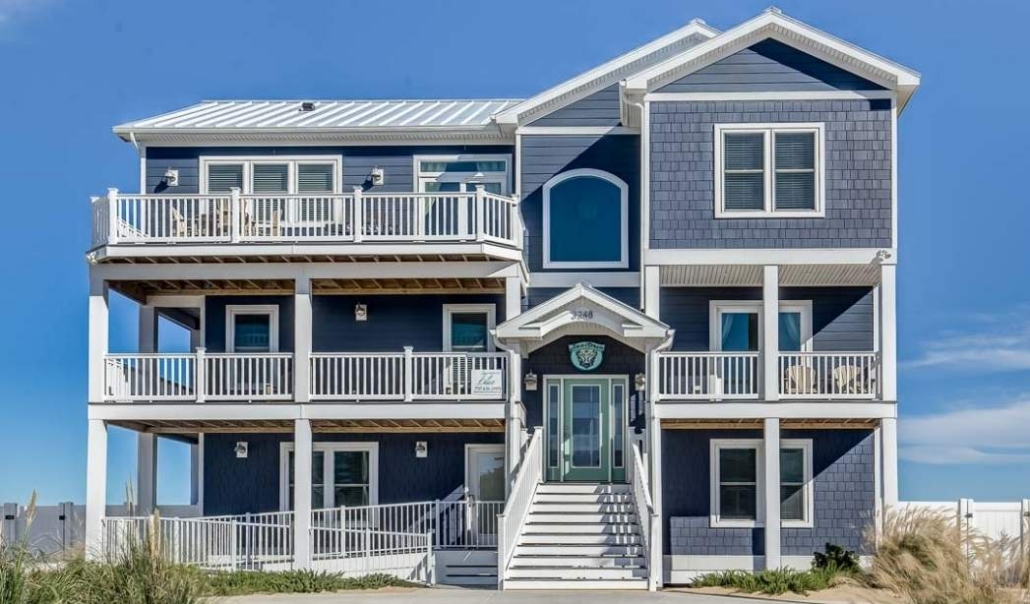
For many families, building a home in Virginia Beach offers more than just a new house. It gives you the opportunity to create a home that fits your routine, priorities, and long-term plans in a location that supports the lifestyle you want.
Some of the biggest advantages include:
- Building in family-friendly Virginia Beach neighborhoods
- Customizing your home for your family’s needs
- Choosing layouts that fit your lifestyle
- Including space for kids and future growth
- Building to meet coastal and weather conditions
- Using modern, energy-efficient construction
- Avoiding repairs common in older homes
- Adding outdoor space for beach-area living
- Selecting schools and location that suit your family
- Creating a long-term home for your family
For families who want more flexibility, better functionality, and a home designed around the way they actually live, building can be a smart long-term investment in both comfort and quality of life.
Tips to Make the Building Process Easier for Families
Building a family home is exciting, but it also comes with a lot of moving parts. A little planning upfront can make the process more manageable and help your family avoid unnecessary stress along the way.
A few practical ways to make the experience easier include:
- Planning your family’s needs before starting
- Setting a realistic budget with a buffer
- Choosing a family-friendly location early
- Hiring a builder experienced with family homes
- Prioritizing function over design trends
- Keeping communication clear with your builder
- Limiting changes during construction
- Planning the timeline around school schedules
- Preparing for temporary housing if needed
- Staying organized with decisions and documents
When families stay focused on what matters most and make decisions early, the building process tends to feel smoother from start to finish.
FAQs
These are some of the most common questions families have when planning to build a home in Virginia Beach.
For many families, building a home is worth it because it allows you to design a space that fits your lifestyle, needs, and future plans. While it may take more time than buying, the ability to customize layout, storage, and location often makes it a better long-term investment.
Most families are comfortable in homes between 2,000 and 3,500+ square feet, depending on the number of bedrooms, bathrooms, and shared spaces. The right size depends on your family’s routines, storage needs, and whether you want extra space for guests, work, or future growth.
Focus on flexible spaces and practical layouts. Rooms that can change over time, such as playrooms that become study areas or guest rooms, help the home stay functional as kids get older. Planning for extra storage and adaptable living areas also makes a big difference long-term.
One of the biggest mistakes is focusing too much on design details and not enough on function. Layout, storage, and daily usability have a much bigger impact on how the home feels over time than finishes or trends.
Most families should plan for 8 to 14 months from initial planning to move-in. This includes design, permitting, and construction. Timelines can vary depending on customization, weather, and local approvals, so building in extra time is important.
Conclusion
Building a family home in Virginia Beach is about more than just construction, it’s about creating a space that fits your lifestyle, supports your daily routines, and works for your family long-term. From understanding costs and choosing the right location to designing a functional floor plan, each step plays a role in how successful the final result will be.
With the right planning and the right team, building can give you more flexibility, better functionality, and a home that truly reflects your family’s needs.
If you’re ready to start planning your home, working with an experienced builder like RBC Homes can help you turn your vision into a practical, well-designed space built for real family living.