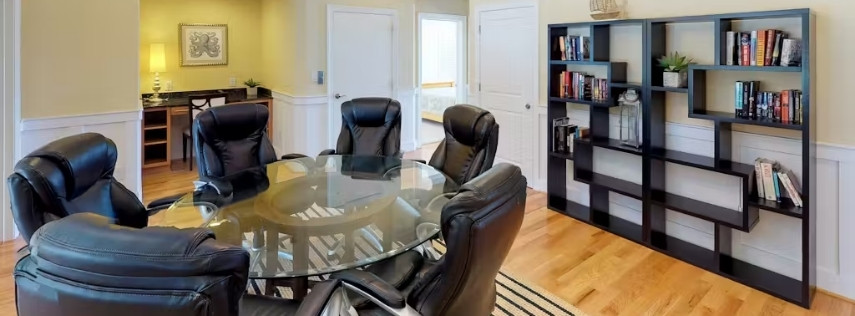
Converting Garage to Home Office – What to Know
Converting a garage to a home office is a smart way to create dedicated workspace without building an addition. It involves turning an unconditioned garage into comfortable living space by upgrading insulation, HVAC, electrical, lighting, and finishes.
Before starting, confirm your garage is suitable, check zoning and parking rules, and plan for permits and code compliance.
This guide covers what to evaluate, what it costs, how long it takes, and the mistakes to avoid.
Is Your Garage a Good Candidate for a Home Office?
Not every garage is automatically suitable for conversion. Before you invest in design plans or finishes, it’s important to evaluate whether your space can realistically (and cost-effectively) become a comfortable, code-compliant home office.
Here are the key factors that determine feasibility:
Garage Type: Attached vs. Detached

The type of garage you have significantly affects complexity and cost.
- Attached garages are generally easier and more affordable to convert because they often share walls, electrical systems, and HVAC access with the main home.
- Detached garages may require new utility runs (electrical, HVAC, possibly data lines), trenching, and additional insulation work. Access and setback rules can also complicate permitting.
If your garage is detached, expect more planning and potentially higher costs.
Ceiling Height & Framing Limitations
Most building codes require minimum ceiling heights (often around 7–8 feet for habitable space, depending on location).
Key questions:
- Is there enough headroom after adding insulation and drywall?
- Will the garage door opening require structural reframing?
- Are there low beams or mechanical obstructions?
Low ceilings can limit lighting design and overall comfort, which is especially important in a space you’ll use daily.
Read More: Custom Home Additions – 11 Ideas for Virginia Beach Homes
Slab Condition, Slope & Moisture Risk
Garage floors are usually poured with a slight slope toward the door for drainage. That’s great for vehicles—but not ideal when converting garage to home office space, since uneven surfaces can affect flooring installation and comfort.
Evaluate:
- Cracks in the slab
- Uneven surfaces
- Signs of water intrusion
- Efflorescence (white powder indicating moisture migration)
Addressing slab leveling, vapor barriers, and moisture mitigation early prevents long-term flooring and air quality problems.
Electrical Panel Capacity & Service Size
Home offices typically require:
- Dedicated circuits
- Ample outlets
- Task lighting
- Possibly upgraded data wiring
If your electrical panel is already near capacity, a panel upgrade may be required. This can significantly affect your budget and timeline, so it’s best to identify this upfront.
Natural Light & Window Potential
Garages are often dark, with little to no natural light. Since productivity and comfort are key in a home office, consider:
- Can new windows be added?
- Does the wall orientation allow for good daylight?
- Will egress requirements apply if adding larger windows?
Strategic window placement improves both usability and property value, but may require structural modifications and permits.
Common Deal-Breakers to Identify Early

While many garages can be converted into functional home offices, some issues can dramatically increase costs or stop a project altogether. Identifying these early protects your budget and prevents frustrating mid-project surprises.
Here are the most common red flags:
Chronic Water Intrusion or Drainage Problems
Occasional moisture can often be mitigated. Chronic water intrusion is a different story.
Warning signs include:
- Standing water after rain
- Persistent damp smells
- Efflorescence on concrete
- Mold growth on framing
- Exterior grading that slopes toward the garage
If water repeatedly enters the space, the issue must be corrected at the source, often involving exterior drainage improvements, regrading, or foundation waterproofing. Simply finishing over a moisture problem will lead to flooring failure, air quality issues, and potential structural damage.
Insufficient Electrical Capacity (Without Panel Upgrade)
A modern home office requires far more electrical capacity than a standard garage setup.
If your electrical panel:
- Is already maxed out
- Is outdated (e.g., 100-amp service in a high-demand household)
- Lacks available breaker space
…a panel upgrade may be required.
While not impossible, panel upgrades can significantly increase project cost and timeline. If upgrading service also requires utility company coordination, that adds another layer of complexity.
Zoning, HOA, or Parking Restrictions
One of the most overlooked obstacles in converting a garage to a home office is local regulation.
Potential issues include:
- Requirements to maintain off-street parking
- Restrictions on eliminating enclosed garage space
- HOA architectural approval processes
- Setback or use restrictions (especially for detached garages)
Some municipalities require you to replace lost garage parking elsewhere on the property. In HOA communities, approval may be mandatory before any exterior modifications are made.
Failing to address these rules early can result in stop-work orders, fines, or complications during resale.
Legal, Permits, and Code Requirements (Do This Early)

Before converting garage to home office space, make sure permits and code requirements are addressed. Skipping this step can result in failed inspections, fines, or resale complications.
In most cases, converting a garage into conditioned living space is considered a change of use, which triggers specific building requirements.
Here’s what typically applies:
Building Permit (Change of Use / Conditioned Space)
When you convert a garage into a home office, you’re turning non-habitable space into habitable space. That usually requires a building permit.
The permit process ensures:
- Structural modifications meet code
- Ceiling heights comply with minimum requirements
- Fire separation between garage and home (if attached) is properly addressed
- The space meets safety and occupancy standards
Even if you’re not adding plumbing, most municipalities still require review and approval.
Electrical Permit
A finished home office needs more than a single garage outlet.
Upgrades often include:
- New dedicated circuits
- Code-compliant outlet spacing
- Recessed or task lighting
- Hardwired smoke detectors (where required)
- Data wiring or upgraded service capacity
An electrical permit ensures the system is safe and capable of supporting modern office equipment without overloading your panel.
Mechanical Permit (HVAC & Ventilation)
Garages are not typically connected to a home’s HVAC system.
To make the space comfortable year-round, you may need:
- HVAC extension from the main system
- A ductless mini-split system
- Proper ventilation
- Return air pathways (if required by code)
Heating and cooling additions usually require a mechanical permit to confirm the system is properly sized and installed safely.
Insulation & Energy Code Compliance
Because garages are unconditioned spaces, they often lack sufficient insulation.
To meet energy code requirements, you may need:
- Wall insulation upgrades
- Ceiling insulation
- Insulated garage door replacement (or full framing closure)
- Air sealing improvements
- Energy-compliant windows
These upgrades aren’t optional; they’re required to meet current residential energy standards.
Window, Door & Egress Requirements
If you’re modifying exterior walls, especially replacing the garage door with framed walls and windows, permits are required.
In some jurisdictions:
- Minimum window sizes may apply
- Emergency egress requirements could be triggered
- Structural headers may need upgrading
Exterior modifications are one of the most heavily reviewed parts of the permit process, particularly in HOA communities.
Zoning, HOA, and Parking Rules
Even if your garage is structurally suitable and you’re prepared to pull permits, zoning and community regulations can still affect whether converting garage to home office space is allowed and under what conditions.
These rules are often overlooked until late in the planning process, which can cause delays or force costly redesigns.
Here’s what to evaluate early:
Off-Street Parking Requirements (Often Overlooked)

Many municipalities require homes to maintain a minimum number of off-street parking spaces. When you convert a garage to a home office, you may be eliminating a required parking spot.
Potential requirements include:
- Replacing enclosed garage parking with a driveway expansion
- Adding a new parking pad
- Demonstrating sufficient existing driveway capacity
- Applying for a parking variance
In some cities, losing covered parking without replacement is not permitted at all. Always confirm local zoning regulations before finalizing your plans.
HOA Approvals & Architectural Review
If your home is in a community governed by a Homeowners Association (HOA), approval may be required, even for interior-focused conversions.
HOAs commonly review:
- Exterior wall modifications (especially garage door removal)
- Window additions or changes
- Changes to façade materials
- Driveway modifications
Most associations require submission of plans, material selections, and elevations before construction begins. Failing to obtain HOA approval can result in fines or mandatory restoration of the original garage configuration.
Detached Garage Considerations

Detached garages introduce additional zoning and site constraints.
You may need to review:
- Setback requirements (distance from property lines)
- Access and pathway requirements
- Utility trenching approvals
- Easements or shared access concerns
If extending electrical or HVAC systems to a detached structure, you may also need additional permits and inspections related to underground utilities.
Garage Conversion vs. ADU: What’s the Difference?
When converting a garage to a home office, it’s important to understand the distinction between a simple interior conversion and creating an Accessory Dwelling Unit (ADU). The classification of your project can significantly affect permits, costs, and timeline.
In most cases, converting a garage into a dedicated home office without adding plumbing is considered a change of use to habitable space. However, once you introduce kitchen or full bathroom elements, the project may be reclassified as an ADU, and that changes everything.
When Plumbing or Kitchen Elements Are Added
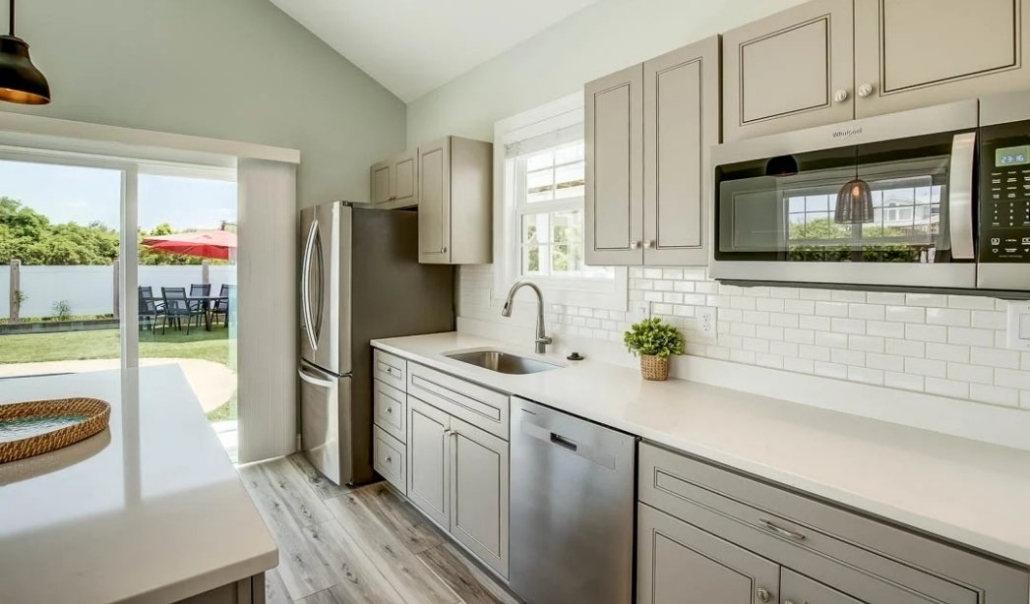
If your garage conversion includes:
- A full bathroom
- A kitchenette or full kitchen
- Separate utility meters
- Independent living functionality
…it may legally qualify as an ADU rather than a simple office conversion.
ADUs typically require:
- Additional zoning review
- Separate utility approvals
- Impact fees (in some jurisdictions)
- Fire separation requirements
- Independent ingress/egress compliance
- Potential parking reassessment
Even adding a sink can trigger additional plumbing permits and inspections, so scope clarity is essential early in the planning phase.
Cost Implications of Reclassification
A straightforward garage-to-home-office conversion is generally more cost-effective because it avoids plumbing infrastructure, sewer tie-ins, and complex inspections.
Once reclassified as an ADU, costs can increase due to:
- Plumbing rough-in and finish work
- Sewer or septic connection upgrades
- Electrical load increases
- Additional insulation and fire-rating requirements
- Design and engineering documentation
Impact fees or development fees may also apply, depending on your municipality.
Timeline Differences

A standard garage office conversion often moves through permitting relatively efficiently, assuming compliance with zoning and parking rules.
ADU projects typically involve:
- Longer review periods
- Additional plan checks
- More inspections
- Coordination with multiple departments
This can extend the overall project timeline significantly.
Choosing the Right Path
If your goal is a private, comfortable workspace, keeping the project classified as a home office conversion may simplify permitting and reduce costs.
However, if long-term flexibility or rental income is part of your plan, exploring ADU requirements from the start allows you to budget and design accordingly.
Understanding this distinction early ensures your converting garage to home office project stays aligned with your goals, budget, and regulatory requirements.
Cost: What Does It Actually Cost to Convert a Garage to a Home Office?
Here are realistic professional price ranges (U.S. averages). Final pricing depends on structure, utilities, and finish level.
| Conversion Type | Typical Cost Range |
| Basic 1-Car Garage Conversion (minimal structural changes) | $20,000 – $35,000 |
| Mid-Range 1-Car Conversion (new windows, mini-split, upgraded finishes) | $30,000 – $50,000 |
| High-End 1-Car Conversion (custom built-ins, panel upgrade, premium flooring) | $45,000 – $65,000+ |
| 2-Car Garage Conversion (standard finishes) | $40,000 – $75,000+ |
| 2-Car with Structural Upgrades / Panel Replacement | $60,000 – $90,000+ |
What Drives Cost the Most?
Several factors significantly influence your total investment:
- Structural changes (especially replacing the garage door opening)
- Electrical panel upgrades
- HVAC installation type
- Moisture remediation or slab leveling
- High-end finish selections
- Detached garage utility runs
Garages that already have good structure, dry slabs, and adequate electrical capacity tend to convert more efficiently and cost-effectively.
Value & Resale Considerations
When completed with permits and code compliance, converting a garage into a home office can:
- Increase usable square footage
- Improve functionality for remote work
- Appeal to modern buyers
- Enhance overall property marketability
However, resale value depends on local buyer preferences and parking availability. In areas where garage parking is highly valued, maintaining compliant off-street parking is especially important.
A properly permitted conversion is critical. Unpermitted work can create appraisal and resale complications later.
The Professional Conversion Process (What to Expect)
Understanding the process of converting garage to home office space helps set realistic expectations for timeline, budget, and decision-making. A professional approach minimizes surprises, ensures compliance, and keeps the project moving efficiently.
Here’s how the process typically begins:
Consultation & Site Evaluation

Every successful garage-to-office conversion starts with a thorough on-site assessment.
During this phase, a contractor will:
Measure the space
- Confirm square footage
- Evaluate ceiling height
- Assess garage door opening dimensions
- Review wall framing and structural components
Assess structure and slab condition
- Inspect for cracks or uneven flooring
- Check for signs of moisture intrusion
- Evaluate exterior grading and drainage
- Determine whether slab leveling or vapor barriers are needed
Review utilities and systems
- Evaluate electrical panel capacity
- Identify potential HVAC solutions
- Confirm feasibility of adding lighting and outlets
- Assess insulation needs
Clarifying Your Goals
This stage also focuses on how you plan to use the space.
You may discuss:
- A fully private executive office
- A dual-workstation setup for two people
- A meeting-ready workspace with built-ins
- Soundproofing requirements
- Storage or custom cabinetry
Clear design goals help shape layout decisions and prevent costly mid-project changes.
Identifying Constraints Early
A professional evaluation also surfaces potential limitations, including:
- Budget range
- Permit requirements
- HOA restrictions
- Parking replacement rules
- Electrical panel upgrades
- Timeline expectations
Addressing these constraints upfront ensures your converting garage to home office project is realistic and aligned with both code requirements and your investment goals.
Floor Plan & Layout
The layout phase determines how the space will function day to day.
Key decisions include:
- Desk placement (natural light vs. glare control)
- Circulation space and door swing clearance
- Built-in cabinetry or shelving locations
- Sound buffering (especially for attached garages)
- Closet or storage integration (if required by code in some areas)
If replacing the garage door opening, this is when window configuration and wall design are finalized. For two-car garages, layout may include a defined storage zone alongside the office space.
A well-planned layout balances productivity, comfort, and code compliance.
Lighting Plan & Electrical Locations
Home offices require intentional lighting, not just a single overhead fixture.
The electrical plan will define:
- Dedicated circuits for office equipment
- Outlet placement (code-compliant spacing)
- Task lighting and recessed fixtures
- Switch locations
- Data and ethernet wiring
- Future-proofing for additional equipment
Planning outlet and lighting placement early avoids exposed extension cords and costly electrical changes later.
Storage & Built-Ins Plan
Integrated storage enhances both function and resale appeal.
This phase may include:
- Custom desk systems
- Cabinetry and shelving
- Concealed printer/storage cabinets
- File storage
- Wall-mounted display shelving
Defining these details before drywall installation ensures proper framing support and electrical coordination.
Finish Selections & Budget Alignment
This is where aesthetic choices meet financial planning.
Selections typically include:
- Flooring type (LVP, engineered wood, tile)
- Trim style and baseboards
- Interior door upgrades
- Paint colors
- Window style and performance rating
By finalizing materials early, you can align expectations with your budget and prevent mid-project upgrades that increase costs.
Clear documentation of finishes and specifications also helps streamline permitting and ordering timelines.
With the design and scope defined, the next step in converting a garage to a home office is submitting plans for permitting and approval.
Permitting & Approvals

With your design and specifications finalized, the next step in converting garage to home office space is navigating the permitting and approval process. Handling this phase correctly prevents delays, inspection failures, and costly rework.
Plans & Documentation
Most municipalities require detailed documentation before issuing permits.
This typically includes:
- Floor plan drawings
- Electrical layout
- HVAC plan (if adding or modifying systems)
- Structural details (especially for garage door removal)
- Energy code compliance documentation
- Window and door specifications
If structural modifications are involved, engineering calculations or stamped drawings may also be required.
Submitting complete, accurate documentation reduces plan check revisions and speeds up approval.
HOA Submission (If Applicable)
If your home is within an HOA, approval may be required before city permits are issued, especially if exterior changes are involved.
HOA submissions often require:
- Exterior elevations
- Material specifications
- Window details
- Color selections
- Timeline of construction
Some HOAs meet monthly, which can affect your schedule. Securing approval early helps avoid delays once city permits are ready.
City/County Permit Timeline Expectations
Permit timelines vary by jurisdiction, but typical stages include:
- Plan submission
- Plan review (with possible revision requests)
- Permit issuance
- Scheduled inspections during construction
- Final inspection approval
Depending on workload and project complexity, plan review can take anywhere from a few weeks to several months.
Understanding these timelines early allows you to set realistic expectations for when construction can begin.
Construction Phase (Major Components)
Once permits are approved, construction begins. This is where your plans for converting a garage to a home office move from paper to reality. A well-managed construction phase follows a logical sequence to ensure structural integrity, code compliance, and finish quality.
Here’s what typically happens:
Structural & Framing Modifications
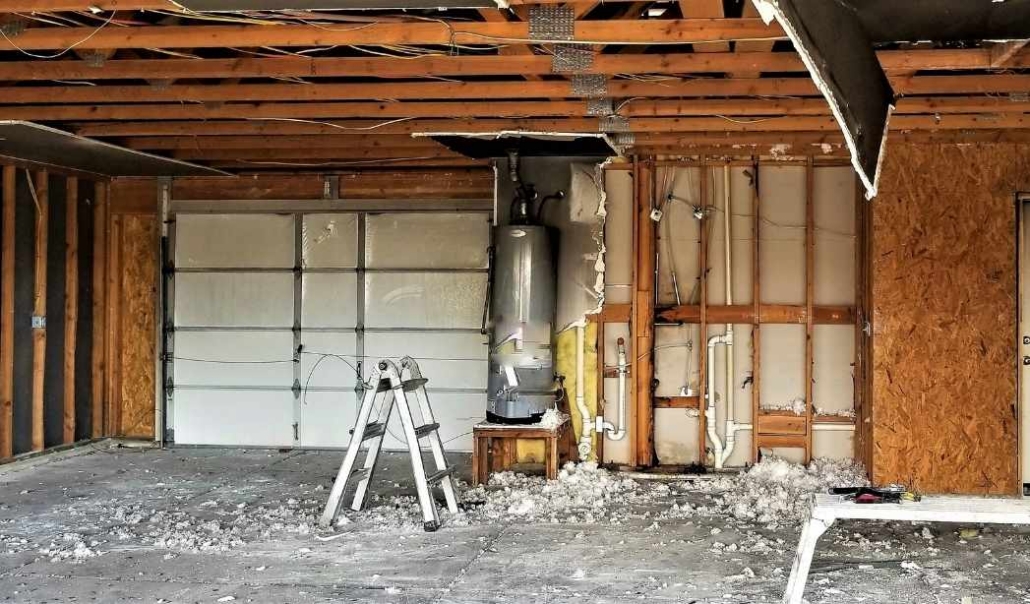
The first major step is addressing the garage structure, especially the garage door opening.
This may include:
- Removing the garage door and track system
- Framing in a new exterior wall
- Installing a properly sized structural header
- Adjusting ceiling framing (if required)
- Reinforcing walls for built-ins or cabinetry
Because garages were not originally built as conditioned living spaces, this stage ensures the structure supports insulation, windows, and interior finishes safely and securely.
Electrical Rough-In
Before walls are closed, electrical systems are installed.
This stage typically includes:
- Running new dedicated circuits
- Installing outlet boxes at code-compliant spacing
- Placing recessed lighting cans or junction boxes
- Running low-voltage wiring (data, ethernet, security)
- Preparing for smoke detectors (if required)
All wiring is inspected before insulation and drywall are installed.
HVAC & Ventilation Installation

To make the new office comfortable year-round, heating and cooling systems are installed during this phase.
Depending on the design, this may include:
- Extending existing ductwork
- Installing a ductless mini-split system
- Adding return air pathways
- Sealing duct connections
- Ensuring proper ventilation
Correct HVAC sizing is essential for comfort and energy efficiency.
Insulation & Air Sealing
After mechanical systems pass inspection, insulation is installed.
This typically includes:
- Wall insulation
- Ceiling insulation
- Air sealing around penetrations
- Vapor barrier installation (if required)
Proper insulation is one of the most important elements in converting a garage to a home office. Without it, the space can feel drafty, hot in summer, or cold in winter.
Drywall, Flooring, Trim & Finishes

With structure and systems complete, the space begins to look like a finished room.
This final stage includes:
- Hanging and finishing drywall
- Priming and painting
- Installing flooring
- Mounting baseboards and trim
- Installing interior doors
- Setting lighting fixtures and outlet covers
- Completing built-ins or cabinetry
Once all finish work is complete, final inspections are scheduled to close out the permit.
At this point, your former garage officially becomes functional living space, ready to serve as a comfortable, productive home office.
Warranty, Maintenance Guidance & Documentation
A professional contractor should provide:
- Warranty information
- Care and maintenance instructions for flooring and finishes
- Equipment manuals (HVAC, electrical upgrades, etc.)
- Copies of approved permits and inspection records
Keeping this documentation organized protects you if warranty service is needed and provides transparency for future buyers.
With inspections complete and documentation in hand, your converting garage to home office project is officially finished, transforming underutilized space into a comfortable, productive work environment that adds long-term value to your home.
Next, we’ll explore layout options based on garage size to help you maximize your new office space.
Layout Options Based on Garage Size

The size of your garage plays a major role in how functional and flexible your finished home office can be. When converting a garage to a home office, layout planning should prioritize workflow, comfort, natural light, and long-term adaptability.
Here’s how layout strategy differs between one-car and two-car garages.
One-Car Garage Office Layout Priorities
A standard one-car garage typically offers around 200–300 square feet. With limited space, efficiency is everything.
Key priorities include:
- Desk Placement & Natural Light
- Wall-Mounted Storage
- Clear Circulation Space
- Sound Control
- Multi-Function Flexibility
A well-designed one-car conversion can feel spacious and efficient when every inch is intentional.
Two-Car Garage Layout Options (Office + Storage Zone)
Two-car garages provide significantly more flexibility, typically offering 400–500+ square feet.
This opens up several layout possibilities:
Option 1: Full-Size Executive Office
- Large desk or dual workstations
- Dedicated meeting area
- Built-in cabinetry
- Lounge seating
Option 2: Office + Storage Retention
Many homeowners prefer to maintain part of the garage for storage. This layout can include:
- A separated storage zone behind framed walls
- A finished office on one side
- Overhead storage racks in a partitioned area
This approach can help preserve resale appeal where garage storage is valued.
Option 3: Dual Workspace Design
Ideal for couples working remotely:
- Two dedicated desk zones
- Shared built-in storage
- Acoustic separation strategies
Option 4: Office + Flex Space
The additional square footage can allow:
- Workout corner
- Hobby station
- Small client meeting area
With a two-car garage, zoning the space correctly prevents it from feeling oversized or underutilized.
Choosing the Right Layout
When converting a garage to a home office, the best layout balances:
- Daily workflow needs
- Storage demands
- Natural light opportunities
- HVAC zoning
- Long-term resale considerations
In the next section, we’ll look at typical project timelines so you can understand how long a professional garage office conversion usually takes from start to finish.
Timeline: How Long a Professional Garage Office Conversion Takes

One of the most common questions homeowners ask when converting garage to home office space is: How long will it take?
While every project is different, a professionally managed conversion typically moves through three main phases: design, permitting, and construction.
Typical Project Phases
1. Design & Planning (2–4 Weeks)
This phase includes:
- Site evaluation
- Measuring and documenting existing conditions
- Finalizing layout and finishes
- Preparing permit-ready drawings
- Engineering (if required)
Clear decisions during this stage help prevent costly delays later.
2. Permitting (2–8+ Weeks)
Permit timelines vary by city and county.
This stage includes:
- Plan submission
- Review by building department
- Possible revision requests
- Permit issuance
In some jurisdictions, approvals move quickly. In others, review backlogs can extend timelines. HOA approval (if required) may add additional time.
3. Construction (4–8 Weeks on Average)
Once permits are issued, construction typically progresses through:
- Demolition and framing
- Electrical and HVAC rough-ins
- Inspections
- Insulation and drywall
- Flooring and finish work
- Final inspection
Smaller, straightforward conversions can move efficiently, while more complex projects (structural upgrades, panel replacements, detached garages) may take longer.
Common Schedule Variables
Several factors can influence how long converting a garage to a home office will take:
- Permit approval timing
- Electrical panel upgrades
- HVAC system selection and availability
- Custom window or door lead times
- Material backorders
- Scope changes mid-project
- Weather (for exterior modifications)
One of the biggest causes of delay is changing design decisions after construction begins. Finalizing layout and finishes before permitting helps maintain schedule integrity.
What’s a Realistic Total Timeline?
From initial consultation to final inspection, most professional garage-to-office conversions take approximately 8 to 16 weeks, depending on complexity and local permit timelines.
Planning ahead and working with an experienced contractor can significantly reduce delays and ensure the process moves smoothly.
Next, we’ll cover common mistakes homeowners make during garage conversions and how professional planning helps avoid them.
Common Mistakes (and How Professional Work Prevents Them)
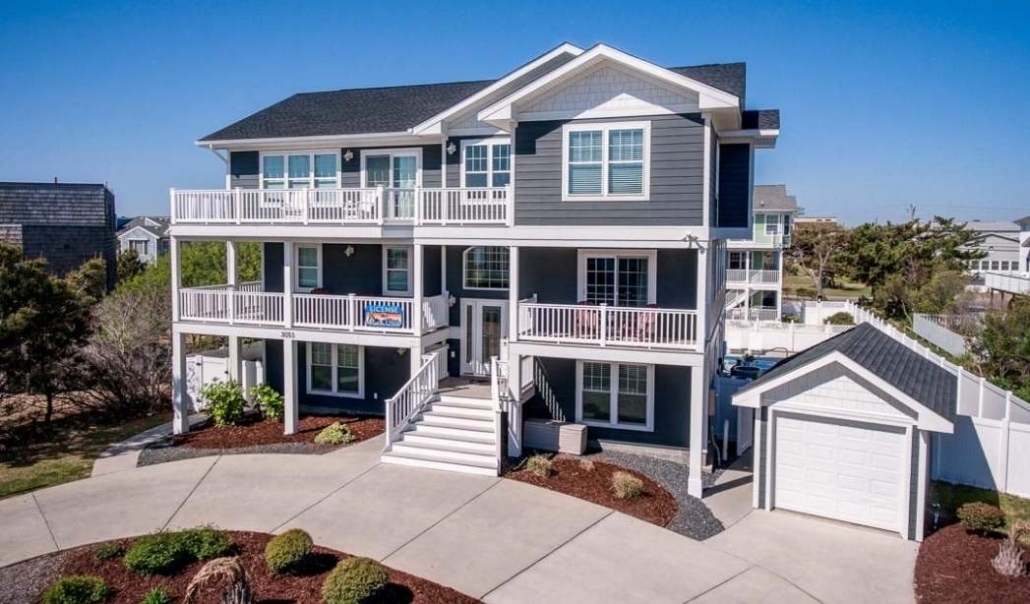
When converting garage to home office space, small mistakes can quickly turn into costly problems. Skipping permits, underestimating insulation and HVAC needs, or ignoring electrical and moisture issues can lead to comfort problems, failed inspections, or resale complications. Proper planning and licensed professional work help prevent these setbacks.
Common mistakes to avoid:
- Starting construction without permits or HOA approval
- Underbuilding insulation or installing undersized HVAC
- Poor electrical planning and inadequate outlet/lighting placement
- Skipping moisture mitigation and slab evaluation
- Removing required parking without a compliant plan
- Hiring unlicensed labor that fails inspections or complicates resale
FAQs About Converting a Garage to a Home Office
Here are answers to some of the most common questions homeowners ask when converting a garage to a home office.
In many areas, yes. Converting a garage into conditioned living space is typically considered a change of use, which requires a building permit.
If you are not altering the exterior, planning approval may be straightforward, but zoning rules, parking requirements, and HOA regulations can still apply. Always confirm local requirements before starting construction.
The cost of converting a garage to a home office depends on factors such as:
– Structural modifications
– Electrical panel capacity
– HVAC installation
– Insulation upgrades
– Window additions
– Finish level
Straightforward conversions are generally more affordable than projects requiring major structural changes, moisture remediation, or utility upgrades. A site-specific evaluation is the most accurate way to determine cost.
The “10-year rule” typically refers to planning enforcement time limits in certain regions (most commonly in the UK). In some cases, if a conversion has been in place for 10 years without enforcement action, it may become lawful.
However, this rule does not apply universally and does not replace proper permitting. It’s always best to complete your garage conversion legally from the start to avoid resale or insurance complications.
You can use a garage as a home office, but to do so properly and safely, it should be converted into habitable space.
That usually means adding:
– Insulation
– Heating and cooling
– Proper electrical layout
– Finished flooring and walls
– Code-compliant windows and ventilation
Simply placing a desk in an unfinished garage may not meet comfort or building standards.
It can, especially in markets where remote work is common and flexible living space is in demand.
A properly permitted and professionally finished garage-to-office conversion can:
– Increase usable square footage
– Improve functionality
– Enhance market appeal
However, value impact depends on local buyer expectations and whether off-street parking requirements are maintained.
Using a garage as a bedroom usually requires full conversion to habitable space, and additional requirements may apply.
Bedrooms often require:
– Egress-compliant windows
– Closet space (in some jurisdictions)
– Smoke and carbon monoxide detectors
– Heating and ventilation compliance
Because of these requirements, converting a garage into a bedroom is typically more regulated than converting it into a home office.
If you’re considering converting a garage to a home office and have additional questions specific to your property, a professional consultation can clarify what’s possible and what’s required before you begin.
Conclusion
Converting a garage to a home office is a smart way to add functional living space without expanding your home’s footprint. When properly planned, permitted, and built, it creates a comfortable, code-compliant workspace that adds long-term value.
From feasibility and permits to cost, layout, and timeline, careful planning is what makes the difference between a smooth project and costly setbacks. If you’re ready to explore converting your garage to a home office, contact RBC Homes for a professional evaluation and personalized estimate to get started.