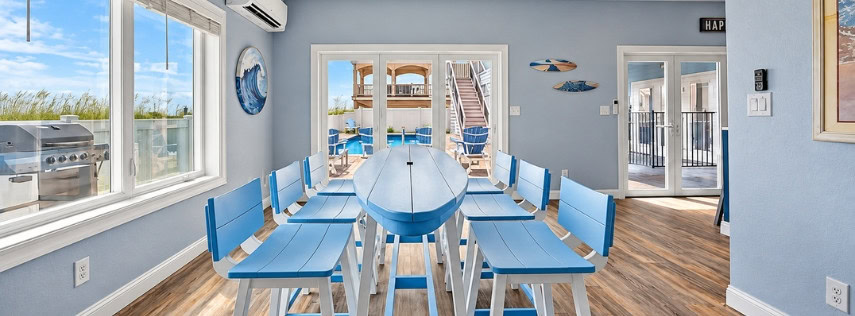
ADU vs. Home Addition – A Virginia Beach Homeowner’s Guide
Need more living space but don’t want to move? If you’re considering an ADU vs. home addition in Virginia Beach, understanding the differences can make it easier to choose the right investment for your property and lifestyle.
ADU vs. Home Addition: What’s the Difference?
An accessory dwelling unit (ADU) creates a separate, self-contained living space with its own kitchen, bathroom, and sleeping area. A home addition expands your existing residence, adding space for bedrooms, larger kitchens, family rooms, or other everyday needs. The main difference is independence. An ADU offers an independent living space, while a traditional home addition expands the existing residence. The best choice depends on factors such as construction costs, zoning requirements, privacy needs, and potential property value.
| Factor | ADU | Home Addition |
| Purpose | Create a separate, self-contained living space | Expand the existing home’s living space |
| Type of Living Space | Independent unit, either attached, detached, or within an existing structure | Additional rooms integrated into the main residence |
| Privacy | Greater independence, especially with detached units | Less separation from the main household |
| Construction Costs | May require separate kitchen, bathroom, utilities, and structural work | Depends on size, structural changes, and finishes |
| Zoning Requirements | Subject to specific local zoning, occupancy, and building restrictions | Subject to setbacks, building codes, and permit requirements |
| Rental Potential | Possible only where legally permitted; certain Virginia Beach ADUs cannot be rented | Generally not a separate rental unit without applicable approvals |
| Property Value | May increase appeal through additional independent living space | May increase value through additional usable square footage |
| Construction Timeline | Depends on permitting, site preparation, utilities, and construction type | Depends on project size and modifications to the existing structure |
| Best Uses | Multigenerational living, private family accommodations, independent living | Growing families, additional bedrooms, larger kitchens, shared living areas |
Read on to compare ADUs and home additions in more detail, including construction costs, local restrictions, and which option best suits your current and future needs.
What Is an Accessory Dwelling Unit (ADU)?
An accessory dwelling unit (ADU) is a separate, fully equipped living area on the same property as a primary home. Unlike a traditional home addition, an ADU provides essential facilities, including a kitchen, bathroom, and sleeping area, allowing residents to maintain an independent living arrangement.
ADUs may be constructed as standalone buildings, connected to the main residence, or developed by converting existing spaces. However, adding a bedroom or in-law suite does not necessarily qualify as an ADU unless the space meets the requirements for a separate, self-contained dwelling.
Types of ADUs
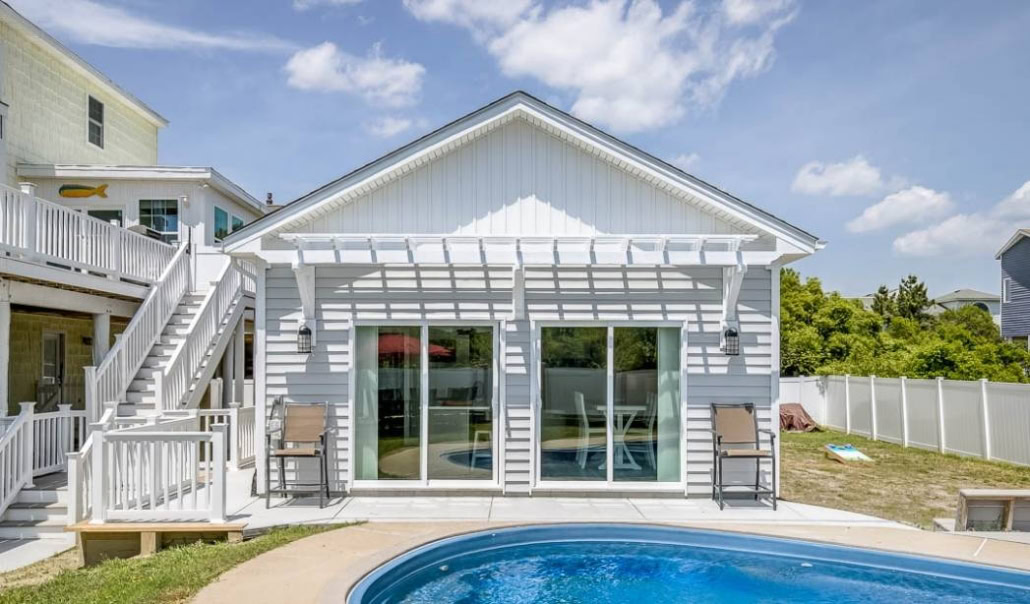
There are four common types of accessory dwelling units, each offering different levels of privacy and construction requirements. However, not all configurations are permitted on every Virginia Beach property, as eligibility depends on local zoning and building regulations.
- Detached ADUs: Standalone structures built separately from the main residence, often in a backyard. They offer the greatest privacy but require additional space, utilities, and construction.
- Attached ADUs: Independent living units connected to the primary home, sometimes sharing a wall or roof while maintaining separate living facilities.
- Garage Conversion ADUs: Existing garages converted into residential spaces with dedicated kitchens, bathrooms, and sleeping areas. These projects require structural upgrades and appropriate approvals.
- Internal ADUs: Separate living units created within an existing home, such as a converted lower level or an independently configured portion of the residence.
Common Uses for ADUs
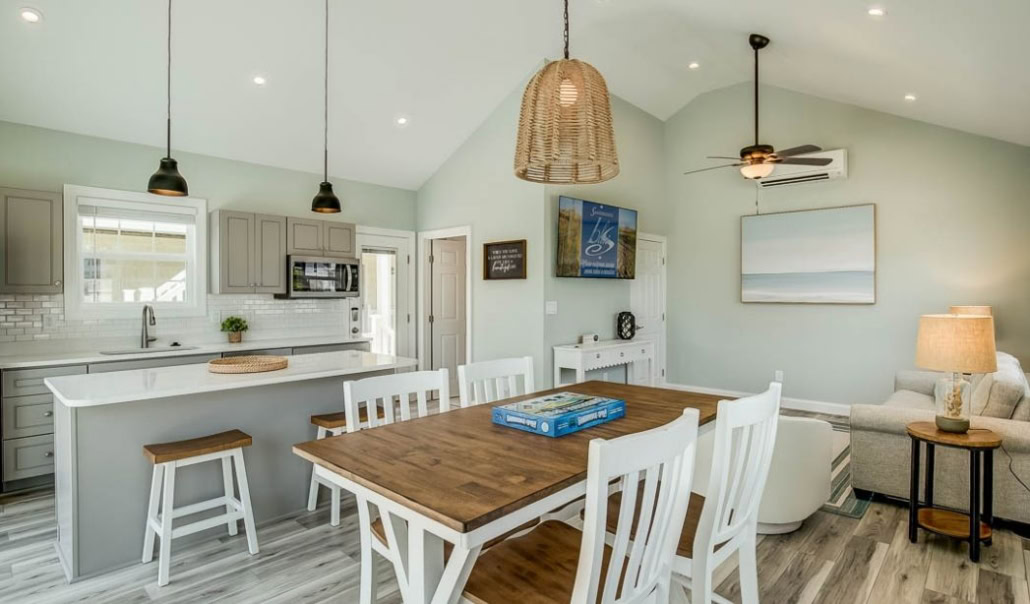
Homeowners consider ADUs for several reasons, particularly when they need additional living accommodations without purchasing another property.
- Multigenerational Living: Accommodate extended family members while maintaining separate living spaces.
- Housing for Aging Parents: Provide aging relatives with nearby accommodations while preserving privacy and independence.
- Independent Living Arrangements: Create separate accommodations for adult children or other eligible household members.
- Rental Housing: Generate potential rental income in locations where residential ADU rentals are legally permitted.
Virginia Beach has specific restrictions on ADU construction and occupancy. Under Virginia Beach’s zoning ordinance, limited-use ADUs are permitted in the R-40 Residential District, with a maximum of one bedroom and 800 square feet. Additional accessory-structure size restrictions may apply. Occupancy is limited to immediate family members meeting the ordinance’s requirements or on-premises employees, and these units cannot be rented or leased.
Separate provisions also address garage apartments within the Old Beach Overlay District. Homeowners should confirm their property’s zoning and applicable requirements before planning an ADU.
What Is a Home Addition?
A home addition is a construction project that expands the living space of an existing residence by adding new rooms or extending current ones. Unlike an ADU, which provides an independent living unit, a traditional home addition becomes part of the main house and improves its overall functionality.
Home additions can expand outward, add another story, or create additional living areas above an existing garage. For Virginia Beach homeowners, they offer a way to accommodate growing families, improve everyday comfort, and gain more space without moving to a new property.
Common Types of Home Additions
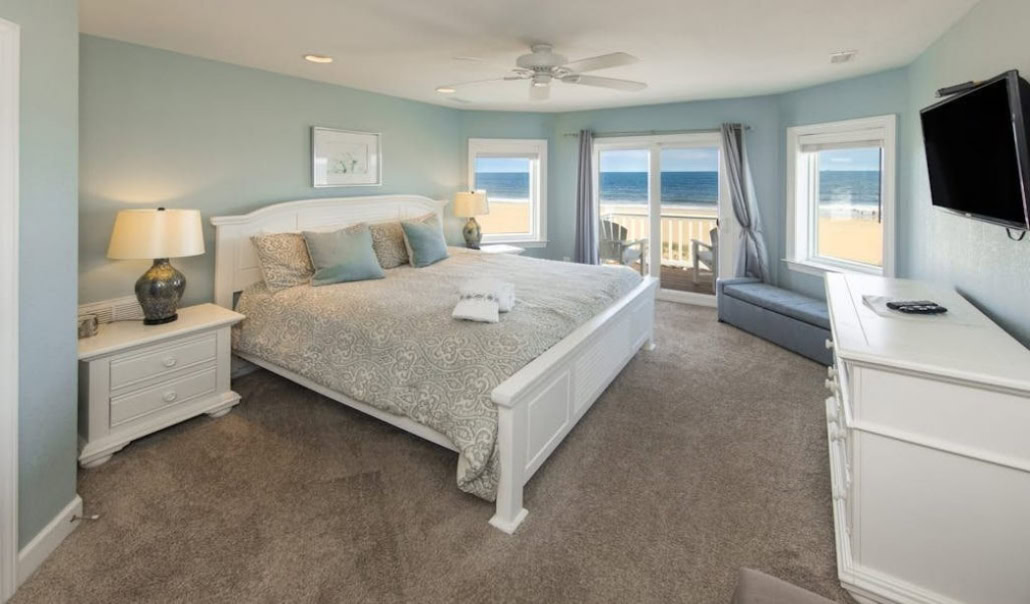
The right type of addition depends on your home’s existing layout, available space, and long-term needs.
- Bedroom Additions: Add extra bedrooms for children, guests, or growing families without changing the home’s existing layout extensively.
- Primary Suite Additions: Create a larger private bedroom with an attached bathroom, walk-in closet, and additional personal space.
- Kitchen Extensions: Expand the kitchen to accommodate larger countertops, additional storage, dining areas, and improved functionality.
- Second-Story Additions: Build upward to increase living space while preserving more of the property’s existing yard.
- In-Law Suite Additions: Create comfortable accommodations for aging parents or extended family members, potentially including a private bathroom and sitting area.
- Living Room and Family Room Additions: Expand shared living areas to provide more room for relaxing, entertaining, and spending time together.
Home additions must also comply with local zoning, structural, and permitting requirements. The City of Virginia Beach requires approved plans and applicable building permits for residential additions.
For homeowners considering an expansion, RBC Homes’ room addition services in Virginia Beach include custom solutions designed to complement the existing home’s architecture while meeting changing space requirements.
ADU vs. Home Addition: Pros and Cons
Both accessory dwelling units and home additions can expand your property’s living space, but each offers different benefits and challenges. Comparing their advantages and disadvantages can help you determine which option best fits your budget, lifestyle, and long-term plans.
Advantages of Building an ADU

An ADU offers greater independence and flexibility, particularly for homeowners who want separate living accommodations on their property.
- Independent Living Space: Provides a self-contained residence with its own kitchen, bathroom, and sleeping areas.
- Increased Privacy: Allows family members to maintain separate living arrangements while remaining close to the main household.
- Multigenerational Housing Flexibility: Accommodates aging parents, adult children, or other eligible family members without requiring everyone to share the same living space.
- Potential Resale Appeal: An approved ADU may attract buyers seeking flexible accommodations for extended family or other independent living needs.
Disadvantages of Building an ADU
Despite these benefits, ADUs can present additional construction expenses and regulatory challenges, especially in Virginia Beach.
- Zoning Restrictions: ADUs are subject to local zoning rules that limit where and how they can be constructed.
- Higher Construction Costs: Detached ADUs can cost more than similar home additions due to the need for separate structural components and fully equipped living spaces.
- Additional Utility Connections: Separate plumbing, electrical, heating, and cooling installations can increase construction expenses and require more extensive planning.
- Reduced Yard Space: Detached ADUs occupy outdoor areas that could otherwise accommodate landscaping, recreation, or future improvements.
- Rental Limitations: Virginia Beach prohibits renting or leasing limited-use ADUs under its current zoning provisions, restricting potential income opportunities.
Advantages of Building a Home Addition

A home addition provides more usable space while maintaining the existing residence as one connected living environment.
- More Living Space: Adds bedrooms, bathrooms, or shared areas without requiring homeowners to relocate.
- Improved Functionality: Expands crowded kitchens, creates dedicated workspaces, or improves the home’s existing layout.
- Flexible Design Options: Allows homeowners to customize the size, layout, and features of new rooms around their specific needs.
- Potential Property Value Increase: Additional usable square footage and desirable features may improve resale value, depending on local market conditions.
- Better Integration: Connects new living areas directly to the existing home, creating a consistent layout and easier movement between rooms.
Disadvantages of Building a Home Addition
Although home additions offer practical benefits, they also involve structural considerations and temporary disruptions.
- Construction Disruption: Building work may affect access to existing rooms and daily household activities.
- Structural Limitations: Existing foundations, rooflines, and load-bearing walls can restrict design possibilities or require additional engineering.
- Potential Loss of Outdoor Space: Ground-level additions may reduce available yard space, depending on their size and placement.
- Limited Independence: Traditional additions share the main residence’s living environment, offering less separation than a self-contained ADU.
Ultimately, an ADU may be better for independent family living, while a home addition is often more practical for expanding shared living space. The best choice depends on your property’s restrictions, available budget, and how you plan to use the additional space.
ADU vs. Home Addition Cost: Which Is More Affordable?
A home addition is often more affordable than a detached ADU when adding comparable square footage, especially if the project does not require a separate kitchen, bathroom, or utility systems. However, costs vary depending on the size, construction type, existing structures, and property conditions.
For homeowners in Virginia Beach, both options require careful budgeting. Foundation work, structural modifications, utility connections, and local permitting requirements can significantly affect the final construction cost.
How Much Does It Cost to Build an ADU?
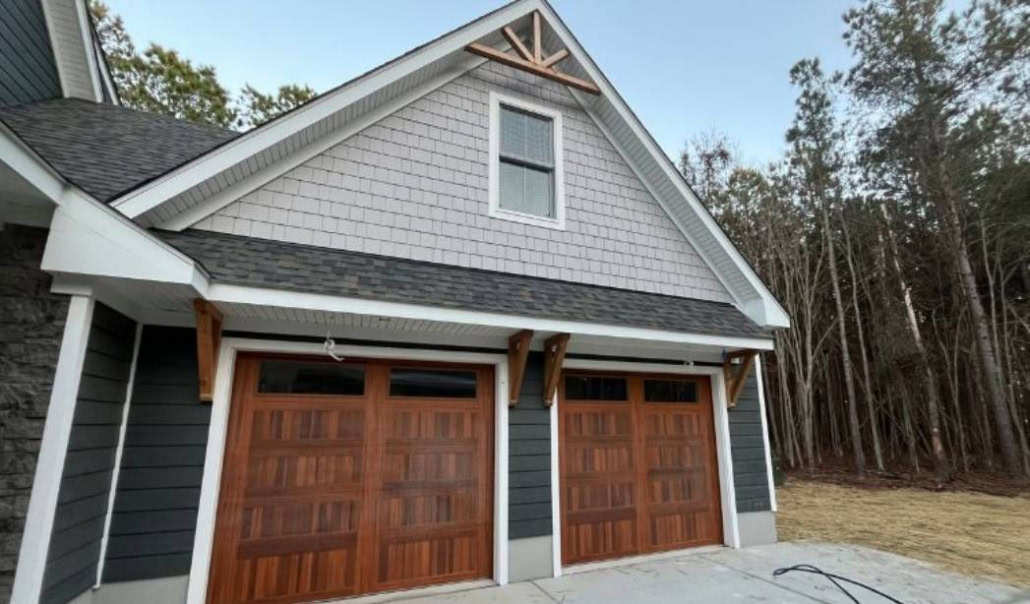
Building an ADU involves creating a complete living space, which can make construction more expensive than adding traditional rooms. Major cost factors include:
- ADU Size and Layout: Larger units require more materials and labor, while complex floor plans can increase costs.
- Foundation and Structural Construction: Detached ADUs generally require their own foundation, framing, roofing, and exterior finishes.
- Plumbing and Electrical Systems: Independent living spaces need plumbing, electrical wiring, heating, and cooling systems.
- Kitchen and Bathroom Installation: Cabinets, appliances, fixtures, and plumbing connections add to the overall budget.
- Utility Connections: Connecting water, sewer, and electricity may require additional work or upgrades to existing systems.
- Permitting and Site Preparation: Zoning reviews, grading, excavation, and building approvals can affect project expenses.
Converting an existing garage may cost less than constructing a detached ADU, provided the structure meets residential building requirements. In Virginia Beach, homeowners must also confirm whether an ADU is permitted on their property before budgeting for construction.
How Much Does a Home Addition Cost?

A home addition expands the existing residence, often allowing homeowners to use portions of the home’s current infrastructure. The cost depends on several factors:
- Addition Size and Complexity: Larger additions and complicated layouts require more materials, labor, and construction time.
- Existing Home Structure: Connecting new rooms may involve removing walls, modifying rooflines, or reinforcing structural components.
- Foundation Requirements: Ground-level additions typically require new foundation work, depending on site and soil conditions.
- Interior Finishes: Flooring, cabinetry, windows, lighting, and custom features influence the final price.
- Plumbing and Electrical Modifications: Adding bathrooms, kitchens, or new electrical circuits can increase costs.
- First-Story vs. Second-Story Construction: Building upward may require structural reinforcement, roof modifications, and new stairways, making it more expensive than some ground-level additions.
ADU vs. Home Addition Cost Comparison
The following table compares published national construction cost estimates for 600-square-foot projects. These figures provide general budgeting examples, not verified Virginia Beach contractor quotes.
| Construction Type | Estimated Cost per Sq. Ft. | Estimated Total for 600 Sq. Ft. |
| Ground-Level Home Addition | 80–200 | 48,000–120,000 |
| New ADU Construction | 150–300 | 90,000–180,000 |
| Second-Story Home Addition | 300–500 | 180,000–300,000 |
Sources: Angi’s 2026 home addition and ADU cost guides. Total estimates are calculated from the published per-square-foot ranges. Actual Virginia Beach costs depend on project specifications, local labor and materials, site conditions, and required approvals.
Although the projects share the same square footage, they do not necessarily include the same features. An ADU requires independent living facilities, while a standard home addition may only provide additional bedrooms or shared living space.
Hidden Construction Costs to Consider
Beyond basic construction expenses, several additional costs can affect either project.
- Site Preparation: Clearing vegetation, removing existing structures, grading, and preparing the construction area.
- Utility Upgrades: Increasing electrical capacity or modifying water, sewer, and HVAC infrastructure.
- Engineering and Architectural Plans: Preparing drawings, structural calculations, and documentation required for permits.
- Drainage and Foundation Work: Addressing soil conditions, stormwater drainage, and flood-related construction requirements.
- Permits and Inspections: Paying applicable building, trade, plan review, and inspection fees.
Virginia Beach properties located in designated flood zones, Chesapeake Bay Preservation Areas, or the Southern Rivers Watershed Area may require additional environmental approvals before construction.
The most affordable option depends on what you need to build. A traditional ground-level addition may offer better value for expanding shared living space, while an ADU may justify additional costs when independent family accommodations are the priority and local regulations allow construction.
ADU vs. Home Addition: Key Differences Beyond Cost
Beyond construction costs, choosing between an ADU and a home addition involves several practical considerations. Privacy, property value, construction time, and available outdoor space can all affect how well each option meets your needs.
Privacy and Independent Living
An ADU generally offers greater privacy than a traditional home addition, particularly when built as a detached structure. Separate entrances and independent living facilities allow occupants to maintain their own routines while remaining close to family.
A home addition provides more space within the main residence, making it better suited for families who prefer shared living areas. While private suites can offer some separation, they typically remain connected to the household.
Impact on Property Value
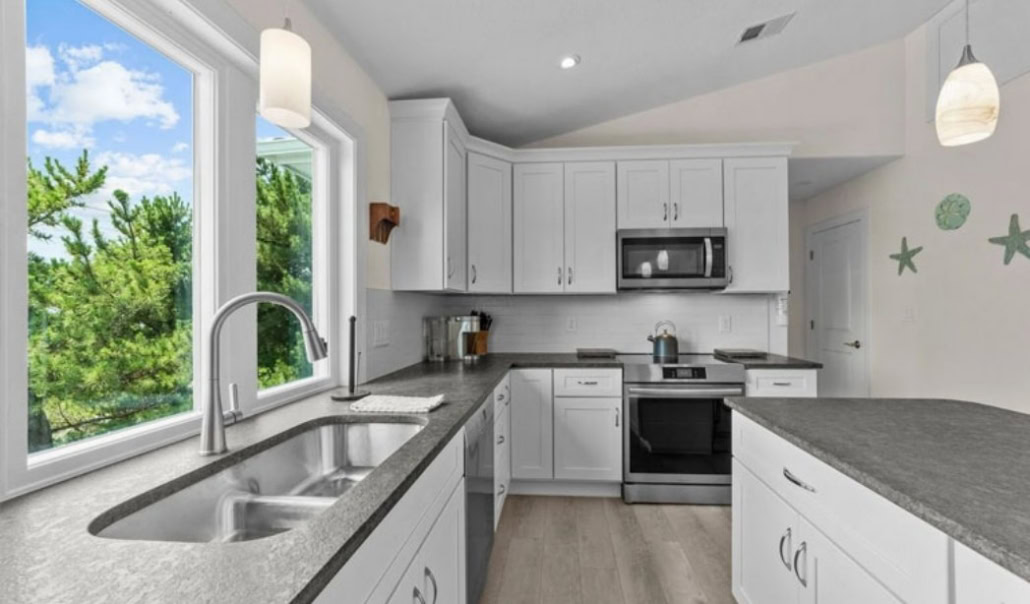
Both ADUs and home additions can increase a property’s market appeal, but their financial impact depends on local buyer demand, construction quality, and permitted use.
A home addition may increase the property’s appraised living area by adding bedrooms, bathrooms, or functional square footage. An ADU may appeal to buyers seeking independent accommodations. Its living area is generally evaluated separately from the primary residence for appraisal purposes, although exceptions may apply to certain integrated ADUs.
Neither option guarantees a higher return on investment. In Virginia Beach, restrictions on ADU occupancy and rental use may also influence resale appeal.
Construction Time and Complexity
When comparing ADU vs. Home Addition construction timelines, several factors come into play, including project size, design complexity, permitting, and existing property conditions.
A detached ADU involves constructing an independent living unit, including its foundation, utility systems, and interior facilities. A home addition requires integrating new construction with the existing house, which may involve structural changes and temporary disruptions.
Smaller room additions may be simpler than building a complete ADU, while major second-story additions can involve more extensive engineering and construction.
Impact on Yard Space

Both projects can reduce available outdoor space, depending on their placement.
A detached ADU occupies a separate portion of the property, potentially affecting landscaping, recreational areas, and future improvements. Ground-level home additions also extend into the yard, while second-story additions can preserve more outdoor space.
Virginia Beach zoning regulations establish property-specific setbacks and land-use requirements. Homeowners should review the city’s official zoning regulations before deciding where an addition or ADU could be located.
Long-Term Flexibility
Consider how your household’s needs might change over the next several years.
An ADU can provide independent accommodations for aging parents, adult children, or other eligible occupants. A home addition may offer greater flexibility for expanding bedrooms, creating home offices, or adapting shared living areas as family needs evolve.
For aging in place, a ground-level addition or accessible ADU may be preferable to adding a second story, depending on the home’s layout and accessibility requirements.
Ultimately, a home addition is often better for expanding everyday living space, while an ADU is better suited for independent accommodations where local regulations permit. Before choosing, homeowners should review Virginia Beach’s residential building permit requirements and confirm their project’s feasibility.
ADU vs. Home Addition: Which Is Better for Your Needs?
The best choice between an ADU and a home addition depends on how you plan to use the extra space. Whether you’re accommodating family members, improving your home’s functionality, or preparing for future needs, each option offers different advantages.
For Growing Families
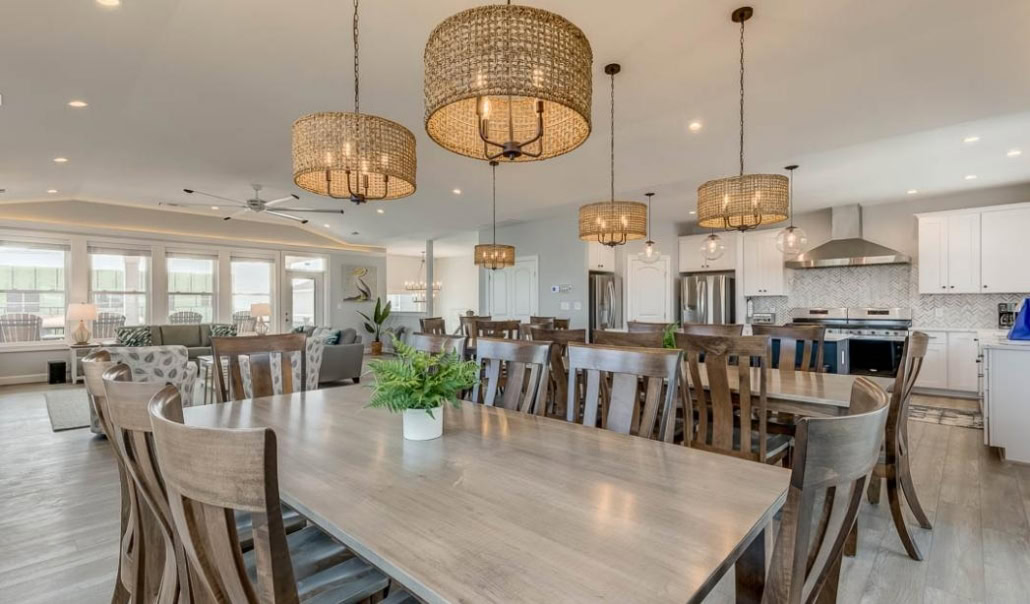
A home addition is generally the better choice for growing families who need additional bedrooms, bathrooms, or shared living areas. Expanding the existing home allows everyone to remain connected while creating more space for everyday activities.
An ADU may be more suitable for adult children or eligible family members who want greater independence.
For Aging Parents and Multigenerational Living
An ADU may be preferable for multigenerational living because it provides separate accommodations while keeping family members nearby. A single-level layout can also support aging in place.
However, a ground-floor home addition with an accessible bathroom and private bedroom may be a more practical alternative, especially when local ADU restrictions limit construction options.
For Homeowners Who Need More Privacy
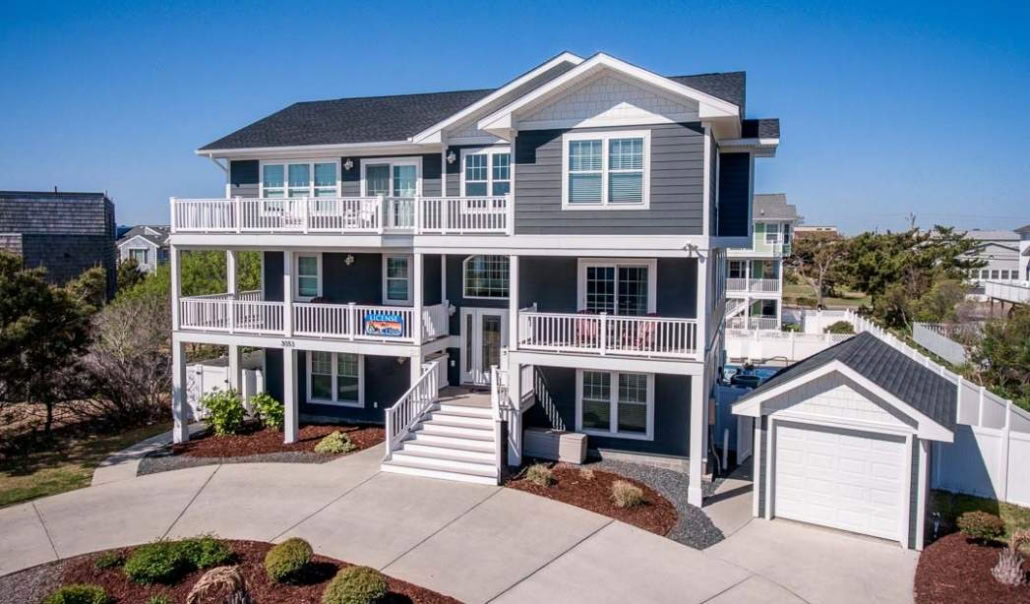
An ADU provides more privacy from the main home, especially when designed with a separate entrance and its own living amenities.
Homeowners seeking greater privacy without building an independent dwelling may prefer a primary suite or in-law suite addition, which creates a private living area while maintaining direct access to the rest of the home.
For Increasing Property Value
Both options may improve resale appeal, but a well-designed home addition can be a more straightforward way to increase the main residence’s usable square footage.
An ADU may attract buyers interested in independent family accommodations. However, its contribution to property value depends on local demand, permitted uses, and appraisal considerations. Neither option guarantees a return on construction costs.
For Preserving Outdoor Space
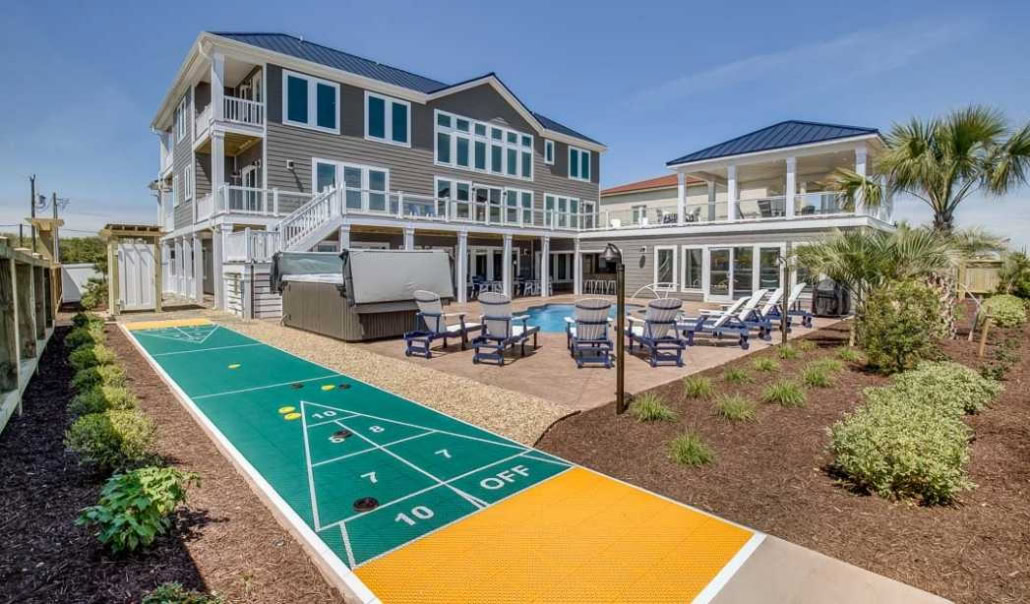
A second-story home addition is often the better option for homeowners who want additional living space without reducing their yard.
Detached ADUs and ground-level additions occupy portions of the property, potentially reducing space for landscaping, patios, or outdoor activities. Converting an existing garage may preserve more yard space if the conversion is permitted.
For Creating Rental Income
An ADU may offer rental income opportunities in locations where residential rentals are legally permitted. However, Virginia Beach prohibits renting or leasing limited-use ADUs in the R-40 Residential District.
Other residential configurations may be subject to different zoning provisions, including those within the Old Beach Overlay District. Homeowners should confirm their property’s permitted uses and applicable rental requirements before planning construction.
If rental income is your primary objective, verify legal eligibility before comparing potential earnings or construction costs.
Ultimately, the right option should balance your immediate space requirements with long-term flexibility, property limitations, and local construction regulations.
Frequently Asked Questions
The ADU vs. Home Addition comparison raises several questions about construction costs, zoning regulations, and long-term property value. Here are answers to common questions from Virginia Beach homeowners.
An ADU isn’t always less expensive than a home addition. Expanding an existing home can cost less because some structural components and utility systems are already in place. Detached ADUs often involve additional expenses for foundations, kitchens, bathrooms, and utility connections. However, converting an existing garage may be a more affordable alternative to new construction.
Yes, Virginia Beach permits certain types of ADUs under specific zoning regulations. Limited-use ADUs are allowed in the R-40 Residential District, subject to size, occupancy, and rental restrictions. Certain garage apartments and secondary dwellings may also be permitted within the Old Beach Overlay District. Property owners should confirm their zoning designation and applicable requirements before proceeding.
Building a backyard ADU in Virginia Beach may be possible, depending on your property’s zoning classification. Limited-use ADUs are permitted in the R-40 Residential District and must meet restrictions of 800 square feet and one bedroom. Additional requirements include property setbacks, lot coverage limits, and building permits. Not all residential lots are eligible for ADU construction.
The potential increase in property value depends on the project and local real estate market. A home addition may improve resale appeal by expanding the home’s functional living space, while an ADU can offer additional flexibility for buyers seeking separate accommodations. Construction quality, neighborhood preferences, zoning restrictions, and comparable sales all influence the property’s final value.
Rental opportunities for ADUs in Virginia Beach depend on local zoning regulations. Limited-use ADUs within the R-40 Residential District cannot be rented or leased. Other types of secondary dwellings, including certain garage apartments in the Old Beach Overlay District, are subject to separate rules. Before planning an ADU as a rental property, homeowners should verify whether rental use is permitted.
An in-law suite may qualify as an ADU if it includes independent living facilities, such as a kitchen, bathroom, and sleeping area. However, an in-law suite that only adds a bedroom and bathroom to the main residence is generally considered a home addition. In Virginia Beach, the presence of separate living facilities does not automatically establish that an ADU is permitted. The property must also meet applicable zoning and building requirements.
Yes, adding a second story is an alternative for homeowners who need more living space but want to preserve their yard. This type of addition can accommodate extra bedrooms, bathrooms, or shared living areas. Before construction, a structural assessment is necessary to determine whether the existing foundation and framing can support another level. Local zoning approval and building permits are also required.
Home addition timelines vary depending on the project’s size and complexity. Smaller additions may take approximately three to four months from planning to completion, while extensive renovations or second-story additions can require six to twelve months or more. Permitting, structural modifications, material availability, and weather conditions can affect the schedule. Actual construction timelines in Virginia Beach will depend on the specific project.
Conclusion: ADU vs. Home Addition – Which Should You Choose?
Choosing between an ADU and a home addition in Virginia Beach depends on your budget, available space, and long-term living needs. An ADU may be ideal for creating independent accommodations for family members, while a home addition offers a practical way to expand your existing living space.
Before making a decision, consider construction costs, property value, privacy, and local zoning restrictions. The right approach should improve your home’s functionality while accommodating your future plans.
At RBC Homes, we specialize in designing and building custom home additions in Virginia Beach, including primary suites, kitchen expansions, and second-story additions. Our team works with homeowners to explore their options and create living spaces that complement their existing homes.
Ready to expand your home? Contact RBC Homes today to schedule a free consultation and discuss the possibilities for your property.