
Renovate or Rebuild – Best Options For Your Virginia Beach Home
Deciding whether to renovate or rebuild your Virginia Beach home begins with evaluating what you have, what you want, and what each option will require. The right choice can affect your budget, timeline, daily routine, and the home’s long-term value.
Renovate or rebuild: which is the best option in Virginia Beach?
Renovating is generally the best option when the home’s foundation and structure are sound, the existing layout can accommodate your goals, and there are features worth preserving. Rebuilding may make more sense when the property has extensive structural problems, major systems need replacement, the current layout is too limiting, or improved flood resilience is a priority.
Neither option is automatically less expensive or more practical. The best decision depends on the home’s condition, total project costs, design goals, coastal building requirements, and how long you plan to remain in the property.
Read on to compare renovating and rebuilding and determine which approach is right for your Virginia Beach home.
Understanding the Difference Between Renovating and Rebuilding
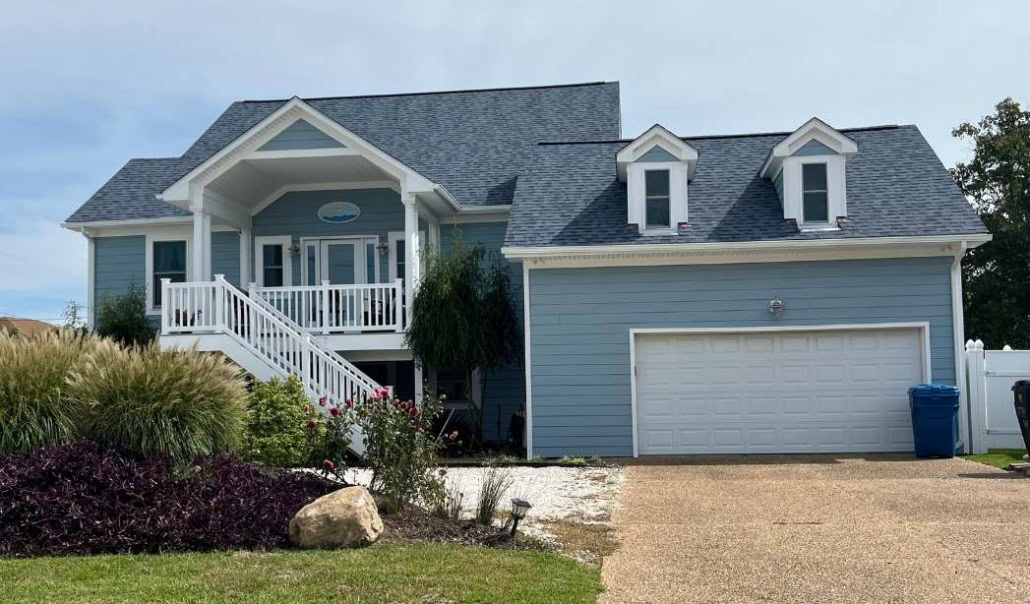
Renovation retains most of the existing structure, while rebuilding starts with a new home. That distinction affects design flexibility, cost, timing, and permitting.
What a Whole-Home Renovation Can Include
A whole-home renovation updates most or all of a house while preserving its primary structure. Work may include reconfiguring rooms, remodeling kitchens and bathrooms, replacing major systems, upgrading windows and insulation, and improving exterior protection for coastal conditions.
How Remodeling or Adding Onto a Home Differs
A remodel typically changes one area, such as a kitchen or primary suite. An addition expands the home’s footprint or adds another story. Either can be part of a larger renovation, but additions often require foundation work, zoning and setback review, and utility modifications.
What a Complete Teardown and Rebuild Involves
When deciding whether to renovate or rebuild, a teardown removes the existing house and replaces it with a new one. Rebuilding offers greater control over the floor plan, size, materials, systems, and coastal-resilient features. It also requires demolition, site preparation, permitting, and compliance with current building requirements. An existing foundation can only be reused if it is structurally suitable for the new design.
Evaluate the Condition of Your Existing Home

Before comparing budgets, determine whether the house provides a sound foundation for your plans. A professional assessment can identify what is worth preserving and what requires replacement.
Foundation, Framing, and Structural Condition
Inspect the foundation, framing, floors, and roof structure. Warning signs such as large cracks, uneven floors, sagging rooflines, or shifting walls may indicate deterioration. Localized problems can often be repaired, while widespread structural damage may make rebuilding more practical.
Moisture, Flooding, Mold, and Termite Damage
Check walls, floors, crawl spaces, and attics for evidence of flooding, leaks, poor drainage, rot, mold, or termites. Because damage may remain hidden until construction begins, these conditions can significantly expand a renovation’s scope and budget.
Electrical, Plumbing, Roofing, and HVAC Systems
Review the age, condition, and capacity of the electrical, plumbing, roofing, HVAC, and insulation systems. Replacing one system rarely justifies rebuilding. When several require replacement alongside structural work, however, the cost difference between the two options may narrow.
Read More: Seasonal Home Maintenance – Keep Your Property Safe All Year
Architectural Features Worth Preserving
Identify craftsmanship, materials, views, or architectural details that would be difficult to recreate. Original woodwork, masonry, distinctive rooflines, or other meaningful features can make renovation especially worthwhile.
When to Consult a Builder or Structural Engineer
A builder can assess overall feasibility, scope, and potential cost. Consult a structural engineer for foundation concerns, visible movement, flood damage, load-bearing wall changes, or plans to add another story. Their findings can clarify whether the home presents manageable renovation needs or fundamental limitations.
Compare the Complete Cost of Renovating vs. Rebuilding
When deciding whether to renovate or rebuild, compare the total investment rather than looking only at construction estimates. Include design, permitting, site work, contingencies, temporary housing, and future ownership costs to understand the true cost of each option.
What Determines the Cost of a Major Renovation
Renovation costs depend on the home’s condition, project scope, structural changes, accessibility, and material selections. Updating finishes within the existing layout typically costs less than moving walls, altering the roofline, expanding the home, or replacing multiple systems. Coastal-performance upgrades can also increase the budget.
Demolition, Site Preparation, and New Construction Costs
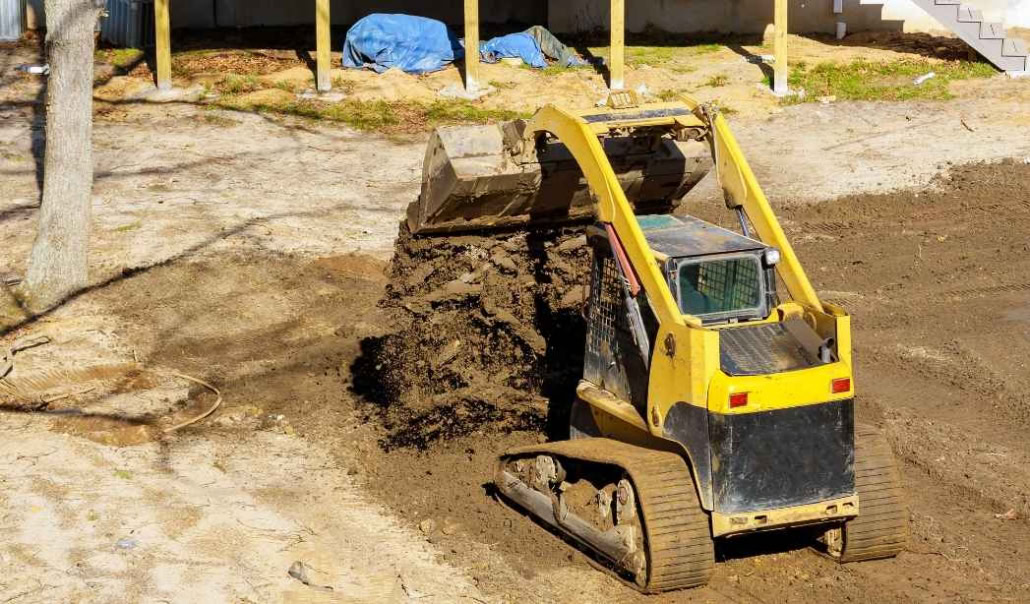
A rebuild budget may include demolition, debris removal, surveys, site preparation, foundation work, utilities, drainage, and construction of the new home. These upfront expenses are substantial, but rebuilding avoids the cost and complexity of integrating new work with outdated framing, systems, or dimensions.
Hidden Conditions and Renovation Contingencies
Opening walls and floors may uncover water damage, termites, unsafe wiring, deteriorated plumbing, or structural problems. Because these conditions can change the scope after work begins, renovation budgets often require a larger contingency. The home’s age, condition, and amount of demolition should guide that allowance.
Temporary Housing, Storage, Permits, and Design Fees
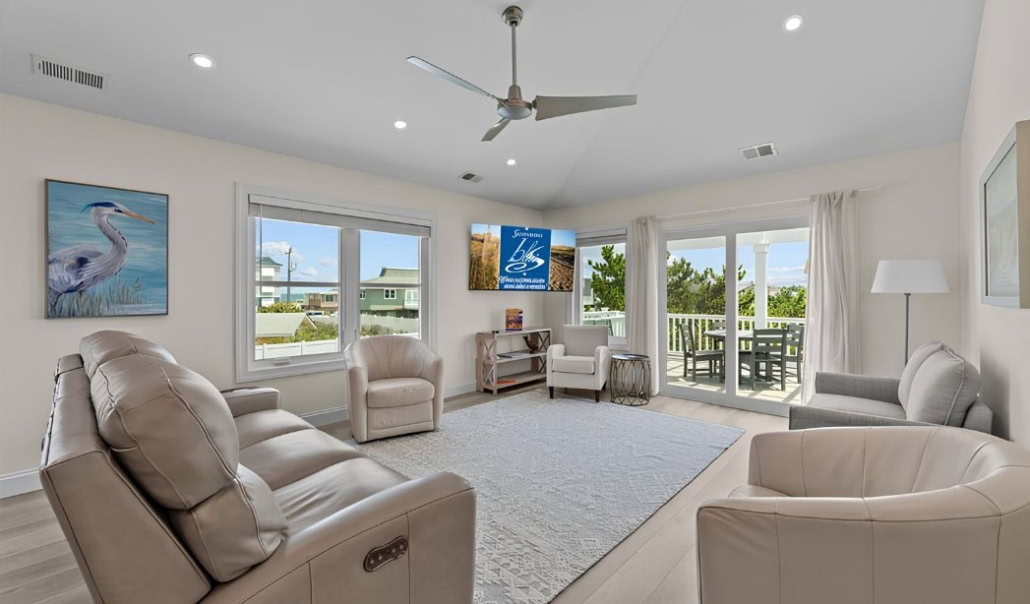
Both options may require architectural plans, engineering, permits, surveys, inspections, moving, storage, and temporary housing. Include possible lease extensions or overlapping housing payments if the completion date changes.
Maintenance, Energy Costs, and Long-Term Value
New construction may reduce near-term maintenance and energy use through new roofing, windows, insulation, and mechanical systems. Renovation can provide similar benefits while retaining components that remain serviceable.
Compare expected maintenance, replacements, and operating costs over the next 10 to 15 years. Also consider functionality, neighborhood values, and how long the home will meet your needs. The lowest initial estimate is not always the better long-term investment.
Read More: ADU vs. Home Addition – A Virginia Beach Homeowner’s Guide
Compare the Timelines and Lifestyle Impact

The project timeline begins before construction and affects where and how you live until completion. Account for design, engineering, permits, inspections, material lead times, and weather.
Design and Permitting Time
Both options require plans, budgets, selections, and approvals. Renovations also require documentation of existing conditions, while rebuilds may involve demolition and more extensive site planning. Zoning, flood-zone requirements, utilities, and HOA reviews can extend either schedule.
Renovation and Rebuilding Timelines
A limited renovation may take a few months, while structural changes, additions, or whole-home work can take much longer. Hidden conditions also make renovation schedules less predictable.
According to RBC Homes’ Virginia Beach construction timeline, a custom rebuild generally takes 9 to 16 months from initial planning through completion, including approximately 7 to 12 months of physical construction. Design complexity, site conditions, selections, weather, and inspections can change that range.
Living at Home During Construction
Remaining at home may be possible when work is isolated and essential utilities remain available. It becomes difficult when construction affects kitchens, bathrooms, entrances, or multiple floors. Noise, dust, safety barriers, and utility interruptions are especially important for households with children, pets, or remote workers.
Phased Renovation vs. One Complete Project
Phasing can spread costs and preserve access to more of the home, but it extends the disruption and may require repeated setup or demolition. Completing the work at once generally improves coordination and reduces the risk of disturbing finished areas later.
Temporary Housing and Storage Considerations
A rebuild requires temporary housing, and many major renovations do as well. Budget for moving, storage, pet accommodations, commuting, and possible lease extensions. Removing valuable or fragile belongings also protects them from construction dust and damage.
Account for Virginia Beach Building and Coastal Requirements
When deciding whether to renovate or rebuild a Virginia Beach home, zoning, floodplain regulations, and coastal exposure can determine what changes are permitted, including renovations, expansions, or a complete rebuild.
Zoning, Setbacks, Height Limits, and Lot Coverage
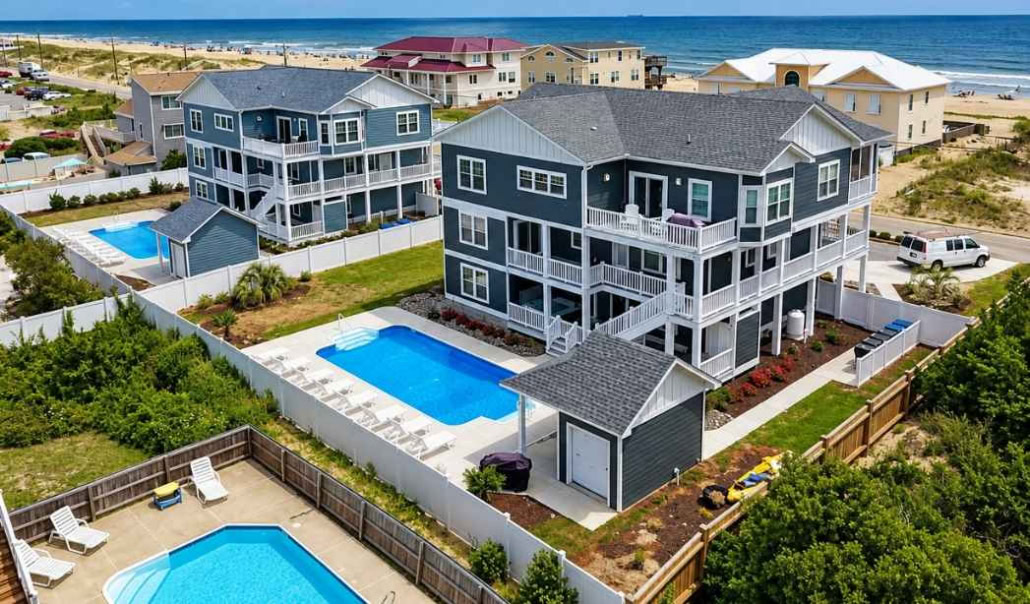
Each property belongs to a zoning district with rules governing setbacks, building height, lot coverage, and structure placement. Review the property’s district and applicable overlays before establishing the new footprint. The City of Virginia Beach Zoning Administration can confirm property-specific requirements.
How Existing Nonconforming Homes Can Affect Rebuilding
Some older homes have legally nonconforming setbacks, height, coverage, or placement. Renovation may allow parts of the existing structure to remain, while demolition could require the replacement home to meet current standards. Confirm what can be reconstructed before assuming the same footprint or size can be retained.
Flood Zones and the 50% Substantial-Improvement Rule
In a Special Flood Hazard Area, improvements or repairs costing at least 50% of the building’s market value must comply with the City’s floodplain regulations and the Virginia Uniform Statewide Building Code. Projects below 50% may still require elevation or flood protection to the greatest extent possible. The City’s floodplain guidance explains these requirements, which should be evaluated before setting a renovation budget.
Elevation and Flood-Resilient Construction
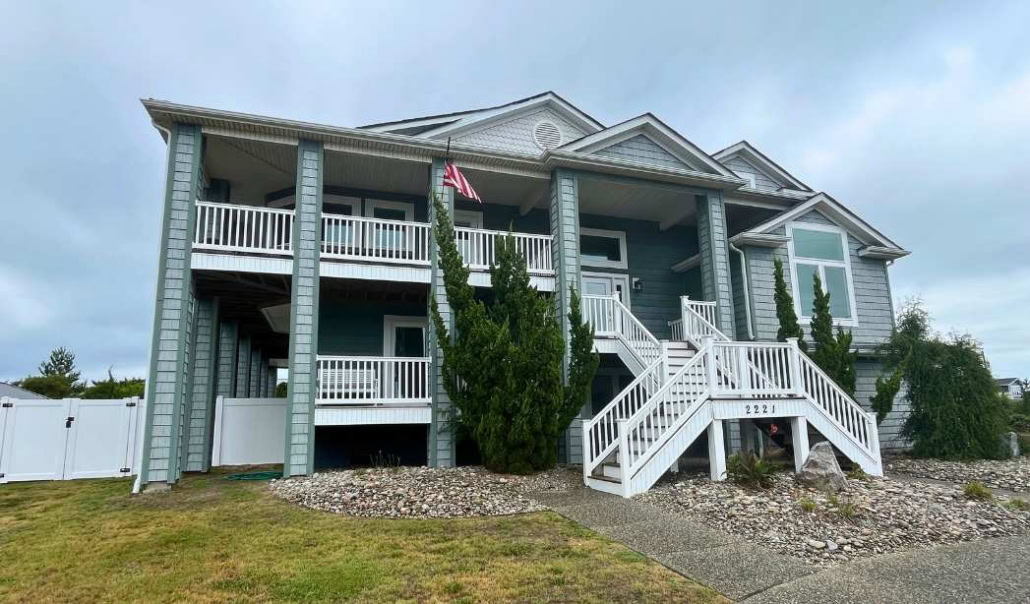
Covered new and improved homes in Special Flood Hazard Areas must meet applicable elevation requirements. The required height depends on the flood zone, base flood elevation, location, and freeboard. Resilience measures may also include elevating utilities, improving drainage, using flood-resistant materials, and selecting a foundation suited to local flood and wave conditions.
Wind, Moisture, and Salt-Air Protection
Coastal construction should address high winds, wind-driven rain, humidity, and corrosion. Important features may include a continuous structural load path, secured roofing and wall assemblies, moisture barriers, corrosion-resistant connectors, and coastal-tested materials. FEMA’s Home Builder’s Guide to Coastal Construction provides further guidance.
Permits, Utilities, and HOA Restrictions
Virginia Beach requires permits for new homes and many renovations, including structural alterations, foundation repairs, additions, and demolition. Properties in flood zones, Chesapeake Bay Preservation Areas, or other regulated locations may need additional review. Check the City’s residential permit guidance and any HOA restrictions before finalizing the design.
When Renovating Your Virginia Beach Home Makes More Sense

Renovation is often the better option when the existing home can support your goals without extensive structural work or costly compromises.
The Foundation and Structure Are Sound
If a professional inspection confirms that the foundation, framing, floors, and roof structure are reliable, renovation can preserve valuable construction and direct more of the budget toward functional and aesthetic improvements.
The Existing Layout Can Accommodate Your Goals
Renovation makes sense when the general footprint works and targeted changes can provide the space you need. Reconfigured rooms or a well-planned addition may accommodate a larger kitchen, primary suite, office, or multigenerational living area without replacing the entire house.
You Want to Preserve the Home’s Character
Original woodwork, masonry, distinctive rooflines, views, and other meaningful features may be difficult or expensive to recreate. Renovation can retain that character while improving comfort, efficiency, and coastal durability.
The Work Can Be Completed in Phases
Phasing can spread the investment over time when projects can be completed independently. Develop a complete plan before beginning so early work does not conflict with later structural, mechanical, or finish upgrades.
Renovation Fits the Value of the Neighborhood
Renovating may provide a more balanced investment when the completed home remains consistent with nearby properties. Review comparable home values and the likely post-renovation value to avoid over-improving for the area. Also consider personal value: a renovation may still be worthwhile when it supports your lifestyle for many years.
When Rebuilding Your Virginia Beach Home Makes More Sense
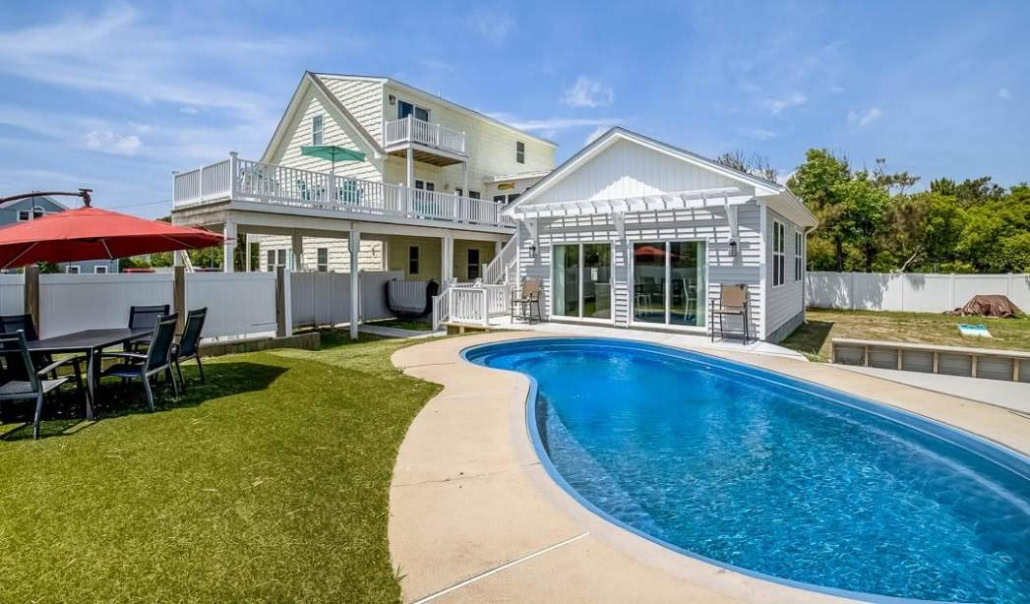
Rebuilding may be the better option when the existing home creates substantial structural, design, or coastal-performance limitations.
Structural Problems Affect Most of the House
Widespread foundation movement, deteriorated framing, or extensive water damage can require much of the home to be opened or removed before renovation begins. When little reliable structure would remain, rebuilding often provides a clearer scope and stronger result.
Major Systems Need Complete Replacement
Electrical, plumbing, roofing, HVAC, insulation, windows, and exterior systems can each be replaced during renovation. If most require replacement alongside structural work, however, the renovation cost may approach that of a new home without delivering the same benefits.
The Existing Layout Cannot Support Your Goals
Low ceilings, restrictive structural walls, poorly positioned stairs, and limited natural light can make some layouts impractical to adapt. Rebuilding allows the floor plan to prioritize views, circulation, accessibility, privacy, and indoor-outdoor living from the start.
Flood Resilience or Elevation Is a Priority
A rebuild can incorporate the required foundation, finished-floor elevation, utility placement, drainage, and flood-resistant materials as one coordinated system. This may be more practical than elevating or retrofitting an older structure not designed for those improvements.
You Want Complete Control Over the Design
New construction provides greater freedom over the home’s size, orientation, style, room arrangement, systems, and materials. The design can also anticipate accessibility, multigenerational living, remote work, or aging in place.
New Construction Offers Better Long-Term Value
Rebuilding may offer better long-term value when a comprehensive renovation would still leave major compromises. New construction can reduce near-term maintenance and improve efficiency, but it does not automatically produce a stronger return. Compare the total investment with the finished home’s functionality, expected lifespan, neighborhood, and market value.
How to Make the Final Renovate-or-Rebuild Decision

Compare both options against the same priorities, property information, and budget assumptions. A structured process makes the tradeoffs easier to see.
Create a Must-Have and Nice-to-Have List
Separate essential outcomes from optional features. Must-haves may include more bedrooms, improved accessibility, replacement of failing systems, or stronger flood resilience. Use this list to determine whether renovation can meet your needs without major compromises.
Complete a Property and Feasibility Review
Assess the structure, systems, flood zone, zoning, utilities, and available building area. The review should identify what can remain, what must change, and whether each concept can be permitted. A builder may also recommend input from an architect, engineer, or surveyor.
Develop Comparable Budgets for Both Options
Price both concepts using similar square footage, materials, finishes, and must-have features. Include design, engineering, permits, site work, contingencies, temporary housing, storage, and future maintenance. Comparing a basic renovation with a highly customized rebuild will not produce a useful answer.
Compare What Each Option Actually Delivers
Evaluate the proposed floor plan, coastal performance, construction timeline, disruption, maintenance, and remaining compromises. Then determine whether the extra cost of one option produces meaningful improvements in function, durability, and long-term use.
Consult a Virginia Beach Design-Build Contractor
A Virginia Beach design-build contractor can evaluate design, constructability, budget, and schedule together. RBC Homes can assess your property and develop realistic renovation and rebuilding options based on the same goals. This side-by-side approach gives you a clearer basis for choosing the stronger path.
Frequently Asked Questions
Below are answers to common questions regarding the process of renovating versus rebuilding your Virginia Beach home.
Renovating is usually less expensive when the foundation and structure are sound, the layout can be adapted, and only selected systems require replacement. Rebuilding may be more cost-effective when the house has widespread structural damage, multiple failing systems, or a layout that requires extensive reconstruction. Compare complete project budgets before deciding.
You may be able to remain at home when construction is limited to isolated areas and essential utilities remain available. Living there becomes less practical when the project affects the kitchen, bathrooms, electrical service, plumbing, HVAC, or most of the interior. Your contractor can determine whether the work can be safely phased around your household.
An existing foundation can sometimes be reused if it is structurally sound, properly sized, and suitable for the new design. A structural engineer must evaluate its condition, capacity, and compliance with current building and floodplain requirements. Reusing a foundation is not always possible or less expensive than constructing a new one.
Homes in a Special Flood Hazard Area may be subject to additional permitting, elevation, and flood-protection requirements. Under current Virginia Beach floodplain regulations, improvements or repairs equaling at least 50% of the structure’s market value must comply with the City’s floodplain regulations and the Virginia Uniform Statewide Building Code. Property-specific requirements should be confirmed before finalizing the renovation scope.
Rebuilding does not automatically add more value. New construction may provide a more functional layout, modern systems, improved energy performance, and greater coastal resilience. However, a well-planned renovation can also create significant value when the existing home is sound. The final value depends on the project’s quality, location, total investment, and compatibility with the surrounding neighborhood.
Plan Your Virginia Beach Home With RBC Homes
Choosing whether to renovate or rebuild requires a clear understanding of your home’s condition, project goals, complete budget, timeline, and applicable coastal building requirements. Renovation may be the right choice when the existing structure can support your plans, while rebuilding may provide a better result when extensive repairs or design limitations would require too many compromises.
RBC Homes can evaluate your property, discuss your priorities, and compare the possibilities for renovation and new construction. As a Virginia Beach design-build contractor, our team coordinates the design and construction process to create a plan that reflects your budget, lifestyle, and long-term vision.
Contact RBC Homes to discuss your Virginia Beach home and determine the best path forward.