Master Bedroom Suite Addition – Complete Homeowner Guide
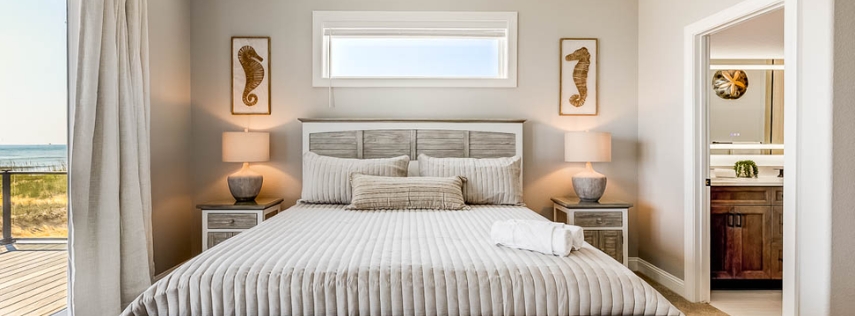
A master bedroom suite addition expands a home by creating a larger, private primary bedroom with its own bathroom and often additional features like a walk-in closet or sitting area. It is designed to function as a comfortable, self-contained retreat within the home.
For many homeowners, adding a private suite is a practical way to improve everyday living. It increases privacy, creates a more functional layout, and introduces modern comfort to homes that may have smaller bedrooms or shared bathrooms.
Beyond comfort, a well-designed addition can also enhance a property’s overall appeal and long-term value.
Read on to learn how to plan, design, and build a custom primary suite that fits your home and lifestyle.
Planning Your Master Bedroom Suite
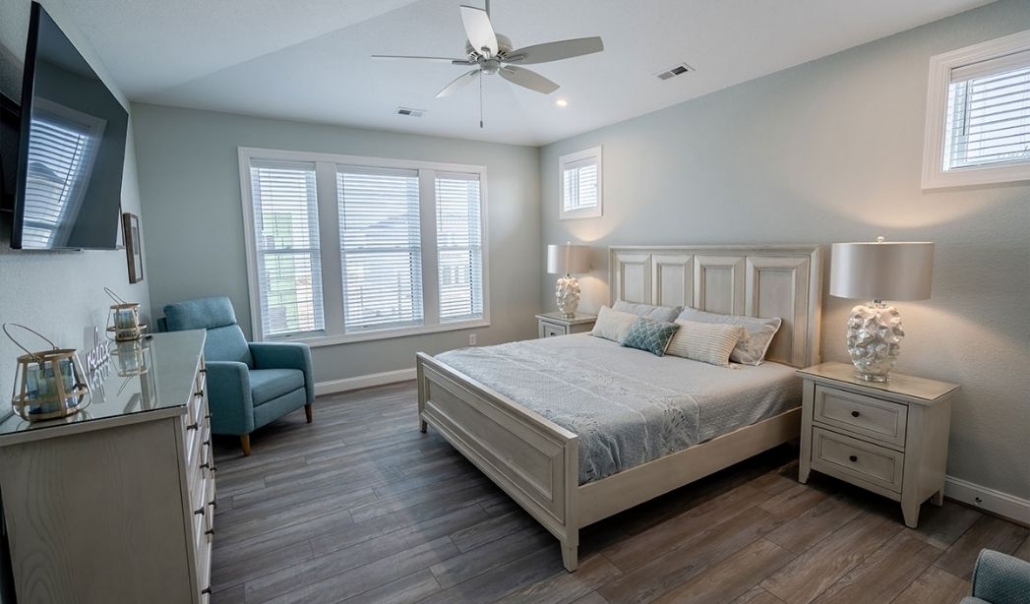
Careful planning is essential for a successful master bedroom suite addition. At this stage, homeowners focus on how the new space will integrate with the existing home while improving comfort, privacy, and everyday functionality.
Location and Layout Considerations for Luxury Spaces
The first step is choosing the right location for the new suite. Many homeowners position the addition toward the rear or a quieter side of the house to create a more private environment. Once the location is defined, the layout should be organized so the bedroom, bathroom, and storage areas flow naturally together while maintaining a sense of openness and comfort.
Designing for Functionality and Elegance
With the layout established, the next priority is balancing practicality with refined design. A well-planned suite includes comfortable walking space, efficient storage solutions, and thoughtfully placed lighting. Architectural details such as large windows, high-quality materials, and cohesive finishes help elevate the space while ensuring it remains practical for everyday use.
Personalizing Your Suite with Bespoke Design Options
Once the structural design is in place, the final step is customization. Homeowners can introduce features that reflect their lifestyle and preferences, such as custom walk-in closets, spa-style bathrooms, built-in storage, or a small seating area. These personalized elements transform the suite from a simple bedroom addition into a private retreat tailored for relaxation and comfort.
Read More: Home Renovation Mistakes to Avoid – 30 Common Pitfalls
Cost of a Master Bedroom Suite Addition
The cost of a master bedroom suite addition varies based on factors such as size, structural complexity, finishes, and whether a new bathroom and plumbing are included. Because these projects usually require structural framing, electrical work, plumbing installation, and interior finishing, they tend to be among the more costly types of home additions.
Average Cost Range for Custom Suites
In the United States, a master bedroom suite addition generally costs between $80,000 and $250,000+, depending on size and level of customization. Projects that include luxury bathrooms, custom closets, and high-end finishes can exceed this range. Estimates from industry cost databases such as HomeAdvisor show that bedroom additions with bathrooms typically fall within this range when construction, plumbing, and finishing work are included.
Another useful benchmark is the cost per square foot, which commonly ranges from $150 to $400 per square foot depending on location and build quality, according to construction cost guides from HomeGuide.
Detailed Breakdown: Materials, Labor, Permits
Several components contribute to the total project cost. Construction materials, including framing, insulation, drywall, flooring, cabinetry, and fixtures, often represent a large portion of the budget. Labor is another major expense, as licensed contractors, electricians, plumbers, and designers are typically required for a full master suite addition.
Permits and inspections can also affect the final price. Local governments usually require building permits, structural approvals, and inspections during different stages of construction. According to cost guidance from HomeGuide permit and design fees for additions can range from $1,000 to $10,000+, depending on project complexity and local regulations.
Budgeting Tips for Achieving Luxury Without Overpaying
Careful planning helps homeowners control costs while maintaining a high level of quality. Establishing a clear layout before construction begins can prevent expensive design changes later in the process. Choosing durable, mid-range materials instead of ultra-premium finishes can also reduce costs while maintaining a refined look.
Working with experienced builders and reviewing detailed project estimates early in the planning stage is another effective way to keep the budget under control while ensuring the addition meets both structural and design expectations.
Step-by-Step Guide to the Construction Process
Building a master bedroom suite addition involves several stages, from early design planning to final inspections. Understanding the construction process helps homeowners set realistic expectations for timelines, costs, and project coordination.
Timelines and Stages from Consultation to Completion

Most master suite additions follow a clear construction timeline that moves from planning to final completion. The process usually begins with an initial consultation where homeowners discuss their goals, budget, and design preferences. During this stage, builders evaluate the existing structure and determine how the new space will connect with the rest of the home.
The next phase focuses on architectural planning and design development. Detailed plans are prepared to define the layout, structural requirements, electrical systems, plumbing, and interior features. Once the design is finalized and permits are approved, construction can begin.
The building stage typically includes site preparation, foundation work, framing, roofing, and the installation of core systems such as plumbing and electrical wiring. After the main structure is completed, the project moves into interior finishing, including insulation, drywall, flooring, cabinetry, and fixtures.
Depending on the size and complexity of the project, a master bedroom suite addition usually takes around three to six months to complete, although timelines may vary based on weather conditions, permit approvals, and construction scope.
Read More: Home Remodels that Add Value – 15 Upgrades Worth the Investment
Selecting the Right Builders for Quality Craftsmanship
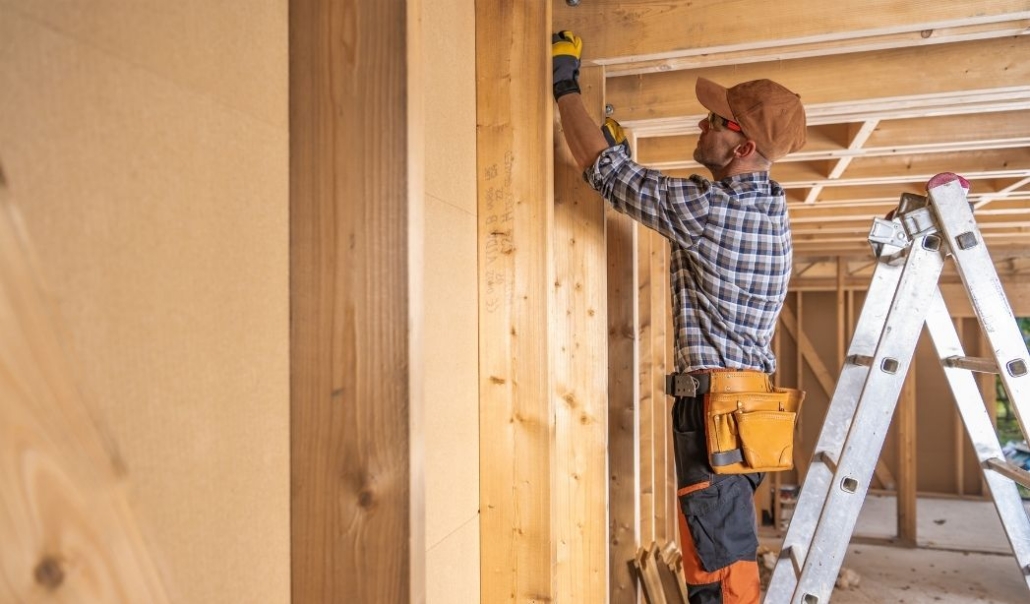
Choosing an experienced builder is critical to ensuring the project is completed safely and efficiently. Contractors with experience in home additions understand how to integrate new structures with existing foundations, roofing systems, and utilities.
Working with a professional builder also helps streamline the design process, manage permits, coordinate subcontractors, and maintain construction quality throughout the project. Reputable companies such as RBC Homes specialize in custom home additions and can guide homeowners through every stage of planning, construction, and finishing.
Required Permits and Inspections
Most jurisdictions require building permits before construction can begin. Permits ensure that the addition meets local building codes related to structural safety, electrical systems, plumbing, and zoning regulations.
During construction, local inspectors typically review different stages of the project, including the foundation, framing, electrical systems, and final completion. These inspections verify that the work complies with municipal standards and safety regulations.
Permit requirements and inspection procedures vary by location, but guidance from the U.S. Department of Housing and Urban Development (HUD) and the International Code Council (ICC) highlights the importance of following local building codes and obtaining proper approvals before starting any structural addition.
Interior Design and High-End Features
Once the structure of a master bedroom suite addition is complete, interior design becomes essential in shaping the atmosphere and comfort of the space. Thoughtful choices in layout, materials, and lighting can transform a simple bedroom expansion into a refined and functional retreat.
Elevating Your Suite with Luxury Design Elements
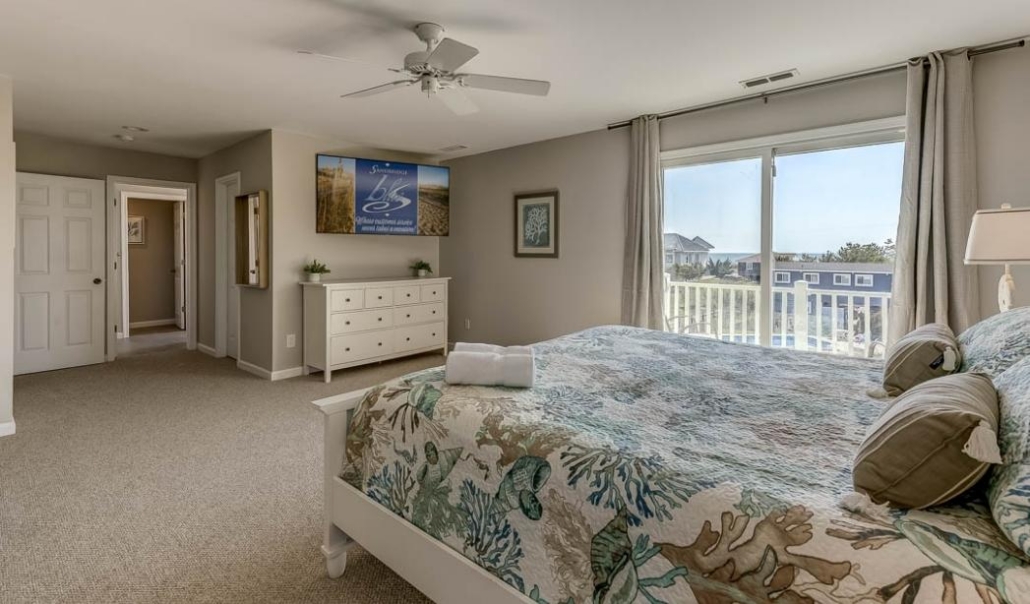
Luxury master suites often incorporate architectural and design features that enhance both comfort and aesthetics. Large windows that allow natural light, layered lighting systems, and high-quality flooring materials help create a relaxing and balanced environment. Features such as tray ceilings, accent walls, and integrated seating areas can further elevate the overall design while maintaining a cohesive style throughout the suite.
Color Palettes and Finishes for a Timeless Look
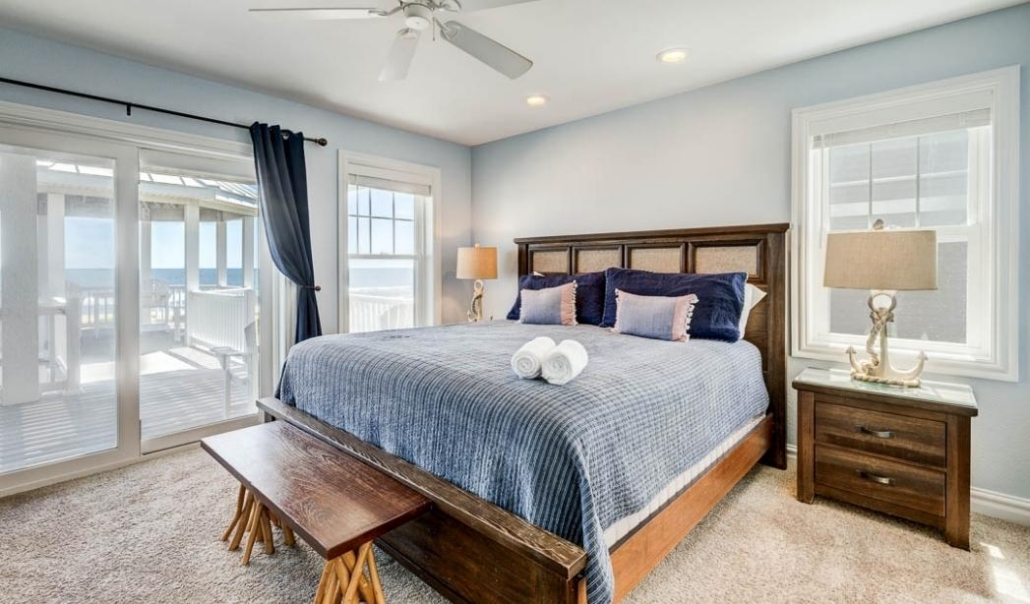
Selecting the right color palette is essential for creating a master suite that remains elegant over time. Neutral tones such as soft whites, warm grays, and natural earth shades are widely used because they create a calm atmosphere and easily adapt to different interior styles.
Pairing these colors with durable finishes, such as hardwood flooring, natural stone surfaces, and brushed metal fixtures, helps achieve a balanced look that feels both modern and timeless. These combinations are commonly used in contemporary bedroom design because they provide versatility, longevity, and a refined aesthetic that can evolve with changing décor trends.
Smart Home Features and Modern Tech Integration
Modern master suites increasingly incorporate smart technology to improve everyday comfort. Features like automated lighting, climate control systems, and motorized window treatments make it easy for homeowners to adjust their environment throughout the day.
Technologies like smart thermostats can help regulate temperature automatically, improving both comfort and energy efficiency.
Maximizing Storage and Organization in Style
Efficient storage solutions are essential in a master suite. Walk-in closets, custom wardrobes, and built-in shelving systems allow homeowners to organize clothing and accessories while maintaining a clean and uncluttered layout.
Well-designed storage spaces improve both functionality and daily convenience. Features like walk-in closets remain among the most desired elements in modern primary bedroom suites because they combine organization with convenience and visual order.
Maximizing Your Home’s Value
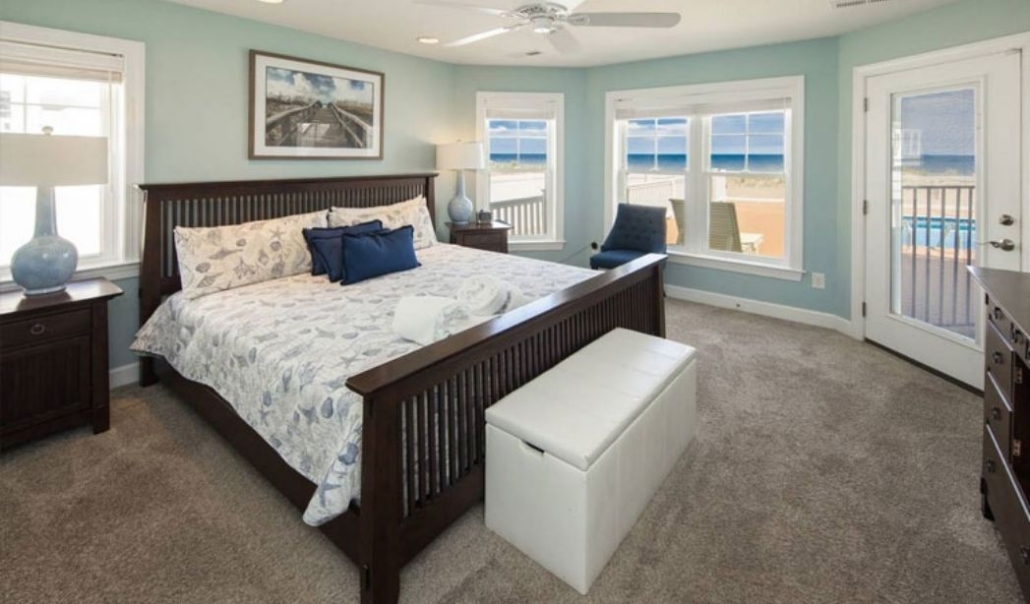
A well-designed master bedroom suite addition can significantly improve both the functionality and the market value of a home. Because modern buyers increasingly expect larger primary suites with private bathrooms and ample storage, adding this type of space can make a property more competitive in the real estate market.
How a Master Suite Addition Enhances Home Value
Adding a master suite increases the overall square footage of a home while improving the layout. Homes with spacious primary bedrooms, en-suite bathrooms, and walk-in closets often appeal more strongly to buyers, particularly in competitive housing markets. According to data from Remodeling Magazine’s Cost vs. Value Report, major home additions can significantly influence resale potential by improving both functionality and buyer perception.
ROI Potential and Market Trends for Luxury Additions
Return on investment varies depending on location, design quality, and market demand. Larger additions that include a bedroom and bathroom are generally among the most impactful upgrades because they increase both livable space and overall property appeal. Real estate market insights from National Association of Realtors Remodeling Impact Report show that bedroom additions consistently rank among the renovations that homeowners value most for both enjoyment and resale potential.
Benefits Beyond Resale: Comfort, Privacy, and Style
While resale value is important, many homeowners pursue a master suite addition primarily for lifestyle improvements. A larger, private bedroom with its own bathroom creates a more comfortable daily living environment, particularly in homes where bedrooms and bathrooms are shared.
In addition to privacy, a thoughtfully designed suite allows homeowners to incorporate personalized design elements, better storage, and a more relaxing atmosphere. Over time, these improvements can significantly enhance the overall experience of living in the home.
Saving on Your Custom Master Suite
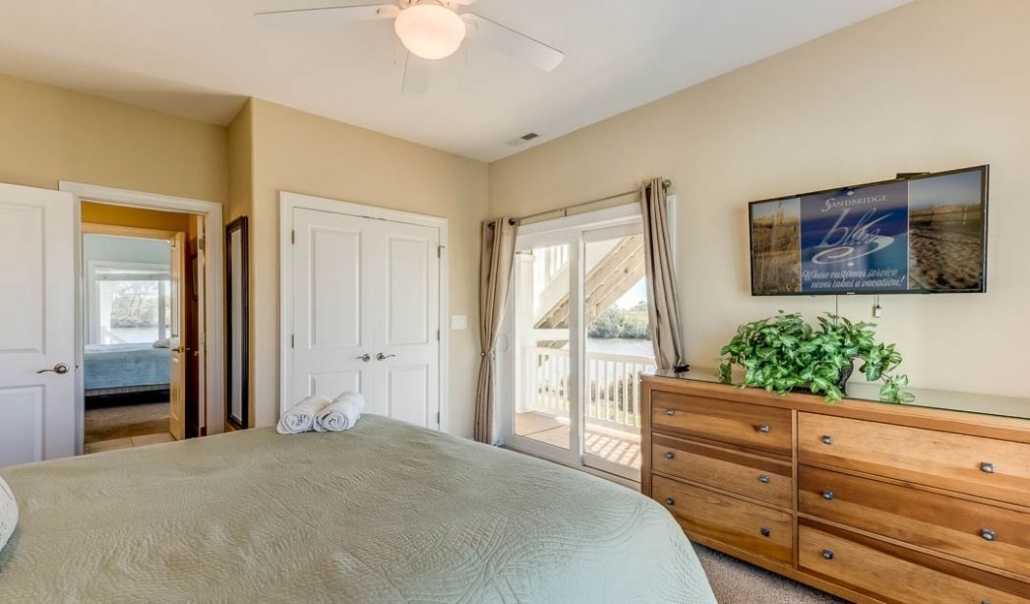
Building a master bedroom suite addition is a significant investment, but careful planning can help homeowners control costs without sacrificing quality. By making strategic decisions during the design and construction phases, it is possible to create a comfortable and well-designed space while keeping the budget under control.
DIY Options vs. Professional Expertise
Some homeowners consider completing portions of the project themselves to reduce costs. While minor tasks such as painting or installing certain finishes can sometimes be handled independently, structural work, plumbing, and electrical systems typically require professional expertise. Working with experienced builders helps ensure the addition meets local building codes and integrates properly with the existing structure.
Choosing High-Quality, Cost-Effective Materials
Material selection plays a major role in the overall project budget. Durable mid-range materials can often provide the same visual appeal as premium options while significantly reducing costs. For example, engineered wood flooring, quartz countertops, and high-quality prefabricated cabinetry can offer both durability and style without the expense of fully custom alternatives.
How to Repurpose Existing Space for a Master Suite
In some cases, homeowners can reduce construction costs by converting or expanding existing areas of the home instead of building an entirely new structure. Spaces such as unused rooms, garages, or large existing bedrooms may provide opportunities to create a master suite with fewer structural modifications.
Repurposing existing space can reduce expenses related to foundations, roofing, and exterior construction while still allowing homeowners to add features such as a private bathroom, improved storage, and a more functional bedroom layout.
Virginia Beach: Tailoring Your Master Suite Addition
Building a master bedroom suite addition in Virginia Beach requires careful planning that considers the local climate, construction costs, and municipal regulations. Designing with the regional environment and building requirements in mind helps ensure the project runs smoothly and delivers long-term value.
Location Considerations
When planning an addition in Virginia Beach, the location of the new space on the property is especially important. Homes near the coast often need to account for wind exposure, moisture, and potential flood zones. Positioning the master suite in a protected area of the property and using durable materials can help improve both comfort and long-term structural performance.
Designing for Coastal Living
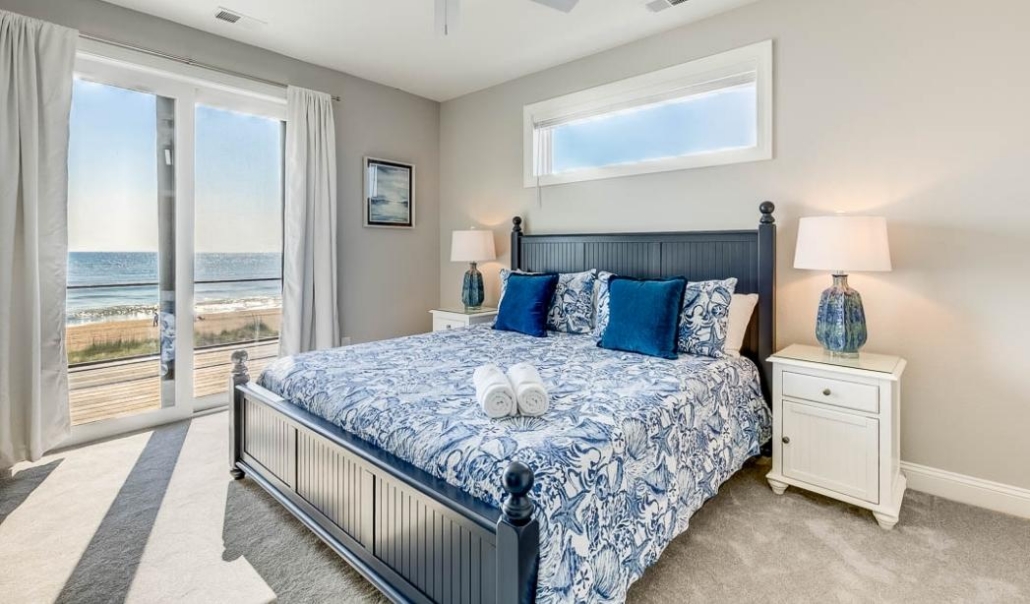
Coastal homes often benefit from design choices that maximize natural light and airflow. Large windows, sliding doors, and well-planned ventilation can help maintain a comfortable indoor environment. Moisture-resistant materials, proper insulation, and durable exterior finishes are also commonly used in coastal construction to protect the home from humidity and salt air.
Virginia Beach-Specific Costs
Construction costs in Virginia Beach vary depending on the size of the addition and the level of customization. According to our research home additions in the area typically range between $100 and $250 per square foot, depending on materials, design complexity, and labor requirements.
These costs can increase for luxury features, custom architectural elements, or larger additions that include bathrooms and extensive plumbing.
Local Building Codes & Permits
Like most structural projects, a master suite addition in Virginia Beach requires proper permits and inspections. The Virginia Beach residential building permits process requires homeowners or contractors to submit construction plans and schedule inspections during key stages of the project.
FAQs
Homeowners often have several practical questions when planning a master bedroom suite addition, especially regarding size, costs, and overall value.
A primary suite addition is an expansion of a home that creates a private bedroom area with an attached bathroom and often a walk-in closet. The term “primary suite” is commonly used today instead of “master suite,” but both refer to the same concept: a self-contained bedroom designed for privacy, comfort, and convenience.
The size of a master suite addition varies depending on the home and the design goals. In many cases, these additions range between 400 and 800 square feet, allowing enough space for a bedroom, a private bathroom, and storage such as a walk-in closet. Larger custom suites may also include sitting areas or additional features.
Adding a bathroom to a bedroom can cost anywhere from $10,000 to $50,000 or more, depending on the size of the bathroom, plumbing requirements, and the quality of finishes. Costs tend to increase if new plumbing lines need to be installed or if luxury features such as walk-in showers or custom vanities are included.
One of the most affordable ways to add another bedroom is by converting existing space within the home. Areas such as basements, attics, or large unused rooms can often be remodeled into bedrooms without requiring a full structural addition, which reduces construction costs.
Major home improvements that significantly increase livable space can sometimes add substantial value to a property. Projects such as a master bedroom suite addition, kitchen remodels, or full home additions often provide some of the highest value increases, particularly when they improve functionality and modernize the layout of the home.
The most expensive parts of a home addition typically involve structural work and specialized systems. Foundations, framing, roofing, plumbing, and electrical installations often represent the largest portion of the budget. Bathrooms and kitchens also tend to increase costs because they require complex plumbing and higher-end fixtures.
Conclusion
A master bedroom suite addition can transform both the comfort and functionality of a home. By adding a spacious bedroom, private bathroom, and well-designed storage, homeowners gain a more relaxing living environment while also improving the overall appeal of their property.
With thoughtful planning, quality construction, and personalized design features, a master suite can become one of the most valuable and enjoyable spaces in the home. From layout and materials to interior finishes and modern technology, every element contributes to creating a space tailored to your lifestyle. If you’re considering building a custom master suite, working with experienced professionals can make the process smoother and ensure lasting results. Contact RBC Homes to start planning your master bedroom suite addition and bring your vision to life.