How to Design a Custom Home – 10 Key Steps
Designing a custom home gives you the opportunity to create a home that fits your lifestyle, preferences, and long-term goals from the ground up. Instead of working around an existing layout, you can make thoughtful decisions about how each space looks, feels, and functions.
What are the steps to design a custom home?
The process typically includes:
- Clarify Your Lifestyle Needs
- Set a Realistic Budget
- Choose and Evaluate the Right Lot
- Create Your Custom Home Design Brief
- Hire the Right Design-Build Team
- Design a Functional Floor Plan
- Choose Your Architectural Style and Exterior Design
- Plan Energy Efficiency, Smart Features, and Building Systems
- Finalize Technical Plans, Permits, and Pre-Construction Details
- Manage Construction, Handover, and Aftercare
Read on to learn how to design a custom home step by step, from early planning and budgeting to construction, move-in, and long-term maintenance.
Step 1: Clarify Your Lifestyle Needs
Before creating floor plans or choosing finishes, take time to evaluate how you want your home to support your daily life. One of the most important parts of learning how to design a custom home is understanding the routines, priorities, and long-term goals your space needs to accommodate.
Daily Routines and Family Priorities
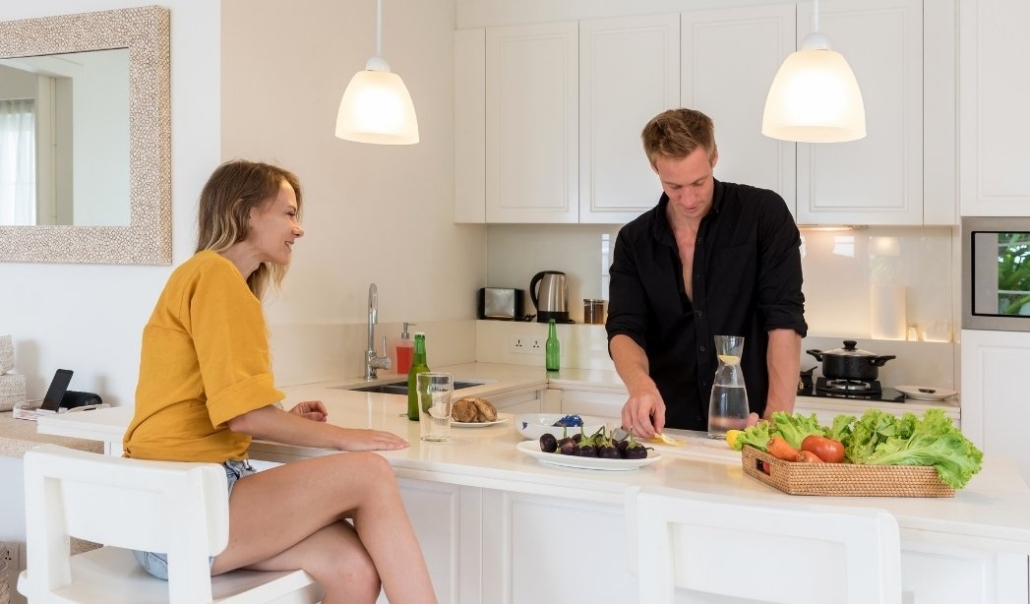
Start by thinking about how your household functions on a typical day. Consider:
- Morning and evening routines
- Cooking and dining habits
- Children’s study or play areas
- Privacy between bedrooms and shared spaces
- Laundry and storage needs
- Pet-friendly spaces
Your home should improve convenience and comfort by supporting the way your family naturally lives.
Future Growth, Aging-in-Place, and Flexibility
A custom home should meet both your current and future needs. Think beyond today and plan for possible lifestyle changes, such as:
- Growing families
- Multi-generational living
- Aging-in-place accessibility
- Guest accommodations
- Flexible bonus rooms
Features like wider hallways, main-floor primary suites, and adaptable spaces can make your home more functional for years to come.
Work-From-Home, Entertaining, and Indoor-Outdoor Living Needs
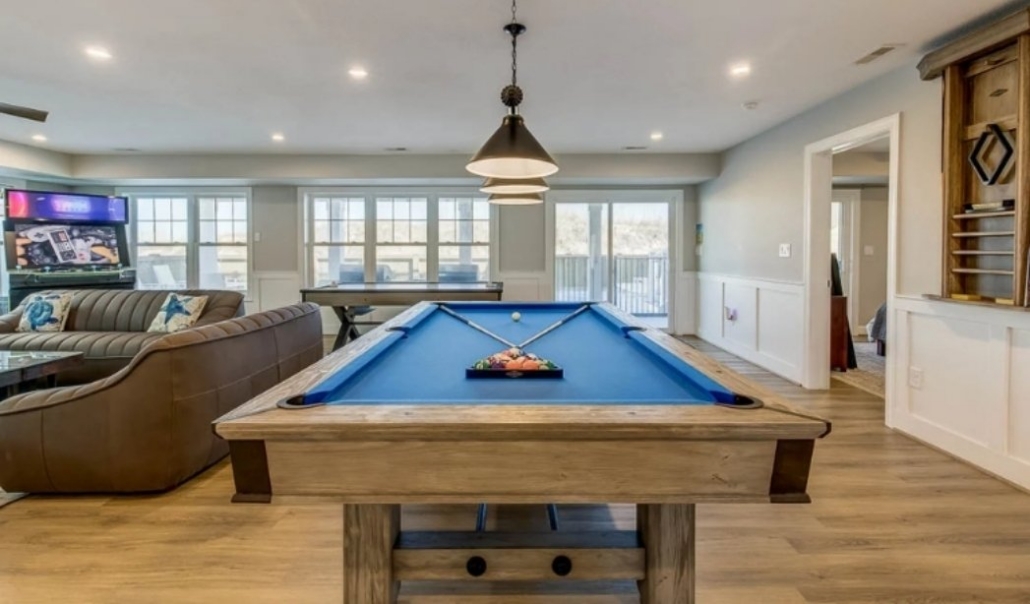
Modern homeowners often prioritize spaces that support work, relaxation, and entertaining. Depending on your lifestyle, you may want to include:
- Dedicated home offices
- Quiet study areas
- Open-concept kitchens and living rooms
- Outdoor kitchens and patios
- Large sliding doors for indoor-outdoor flow
- Media or game rooms
By identifying these priorities early, you can create a home layout that feels both practical and personalized.
Step 2: Set a Realistic Budget
Creating a realistic budget is one of the most important parts of learning how to design a custom home. Your budget will influence everything from the size of the home and the lot you choose to the materials, finishes, and features you include. Careful financial planning early in the process helps reduce stress, avoid delays, and prevent costly surprises during construction.
Land, Design, Construction, and Permit Costs
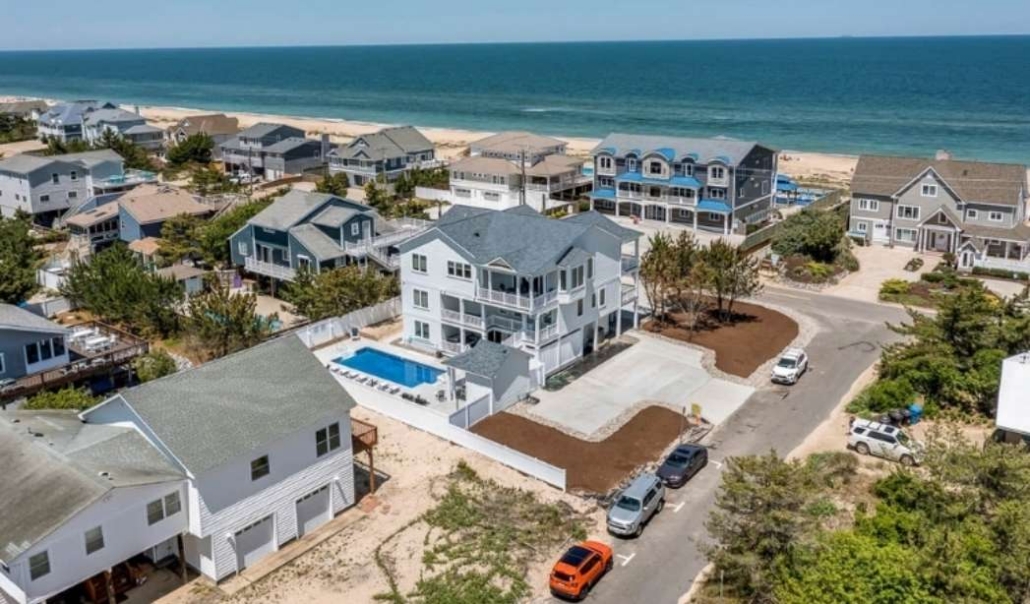
A custom home budget involves much more than construction alone. Major cost categories typically include:
- Land purchase
- Site preparation and grading
- Architectural and design fees
- Engineering and structural plans
- Building permits and inspections
- Construction labor and materials
- Landscaping and exterior work
- Driveways, utilities, and drainage systems
Understanding the full scope of expenses helps create a more accurate overall budget from the beginning.
Hidden Costs Homeowners Often Forget
Many homeowners underestimate additional expenses that can significantly impact the final project cost. Common hidden costs include:
- Utility connections
- Soil testing and surveys
- Temporary housing during construction
- Furniture and appliances
- HOA application fees
- Change orders during construction
- Permit revisions and delays
It’s also important to set aside a contingency fund, typically around 10–15% of the total budget, for unexpected issues or upgrades.
Where to Splurge vs. Where to Save
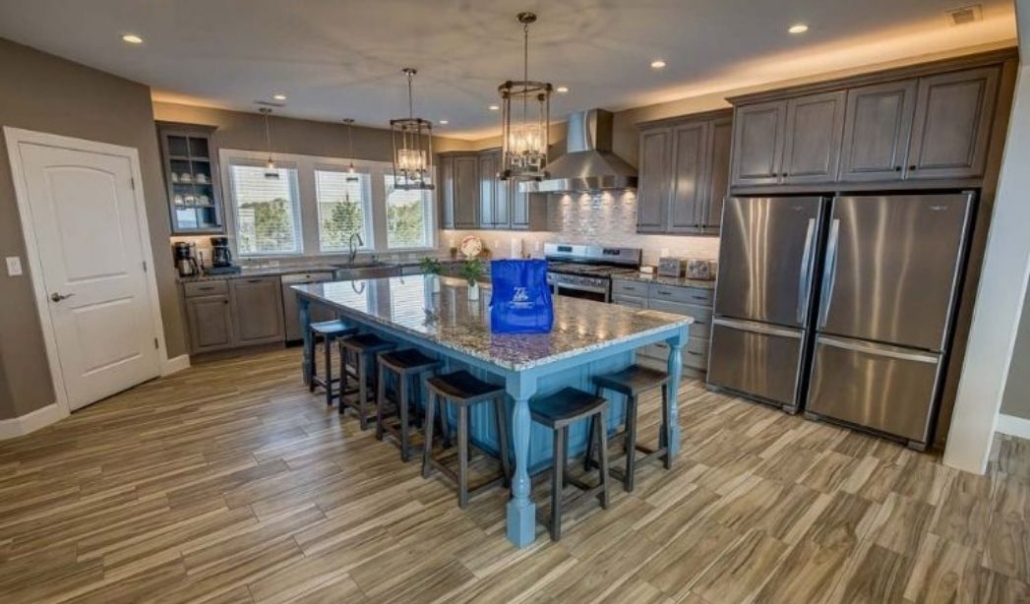
Not every feature requires a premium investment. Focus your budget on areas that improve long-term functionality, comfort, and resale value, such as:
Worth Splurging On
- High-quality windows and insulation
- Kitchen cabinetry and countertops
- Durable flooring materials
- Energy-efficient systems
- Functional storage solutions
Areas You Can Often Save On
- Trend-driven decorative finishes
- Lighting fixtures that are easy to replace later
- Secondary guest spaces
- Certain cosmetic upgrades
Balancing priorities carefully allows you to maximize value while staying within budget.
Step 3: Choose and Evaluate the Right Lot
Choosing the right lot is a critical part of learning how to design a custom home. Even the best home design can face limitations if the property has zoning restrictions, poor drainage, or challenging site conditions. Evaluating the lot carefully before finalizing plans can help you avoid costly issues later in the project.
Lot Size, Slope, Orientation, and Views
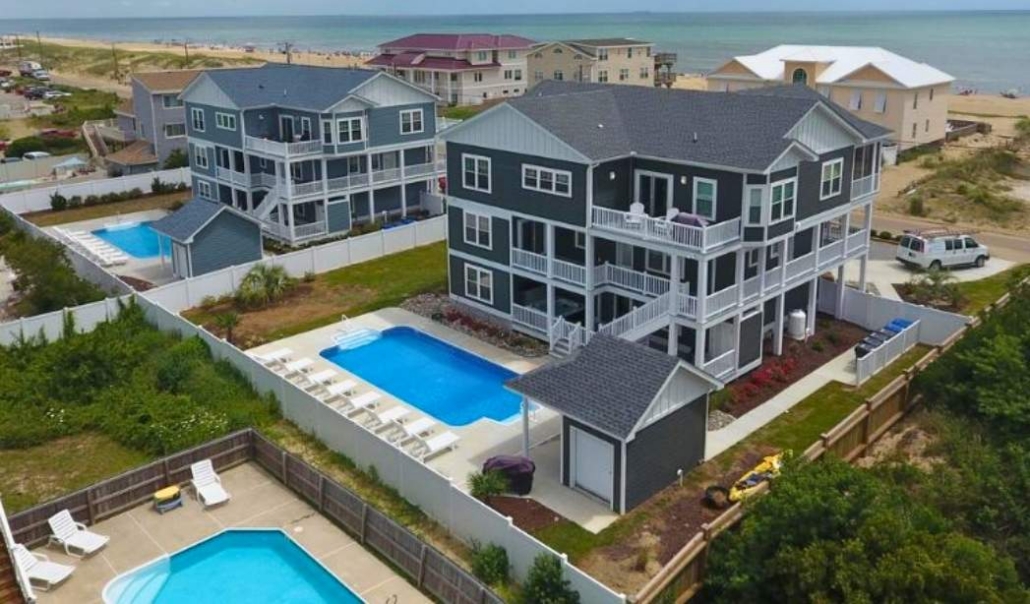
The physical characteristics of your lot will directly influence your home’s layout, design possibilities, and construction costs. Important factors to evaluate include:
- Lot dimensions and usable buildable space
- Flat versus sloped terrain
- Sun exposure and natural light
- Wind direction and privacy
- Scenic views and surrounding properties
For example, lots with southern exposure often receive more natural light and may help improve energy efficiency through passive solar design principles. Sloped lots may offer great views but could require additional grading, retaining walls, or foundation work.
Zoning, Setbacks, HOA Rules, and Utilities
Before purchasing land, confirm all local regulations and restrictions that could affect your design plans, including:
- Zoning requirements
- Minimum setbacks from property lines
- Height restrictions
- HOA design guidelines
- Easements and property access
- Availability of water, sewer, gas, and electricity
Some neighborhoods or communities may limit architectural styles, exterior materials, fencing, or even landscaping choices. Reviewing these requirements early can help prevent redesigns or permit delays.
Soil, Drainage, Flood Zones, and Site Access
A lot may appear ideal on the surface but still present hidden construction challenges. Professional site evaluations can help identify issues such as:
- Poor soil stability
- Drainage problems
- Flood zone risks
- High water tables
- Limited construction access
- Tree removal requirements
Geotechnical reports and land surveys are valuable investments that help determine whether the site is suitable for your custom home design and budget. Proper due diligence at this stage can save significant time and money during construction.
Step 4: Create Your Custom Home Design Brief
A custom home design brief acts as the foundation for your entire project. It helps architects, designers, and builders understand your goals, priorities, style preferences, and functional needs before the design process begins. Creating a detailed brief is one of the smartest steps when learning how to design a custom home because it keeps the project organized and aligned with your vision.
Must-Haves vs. Nice-to-Haves
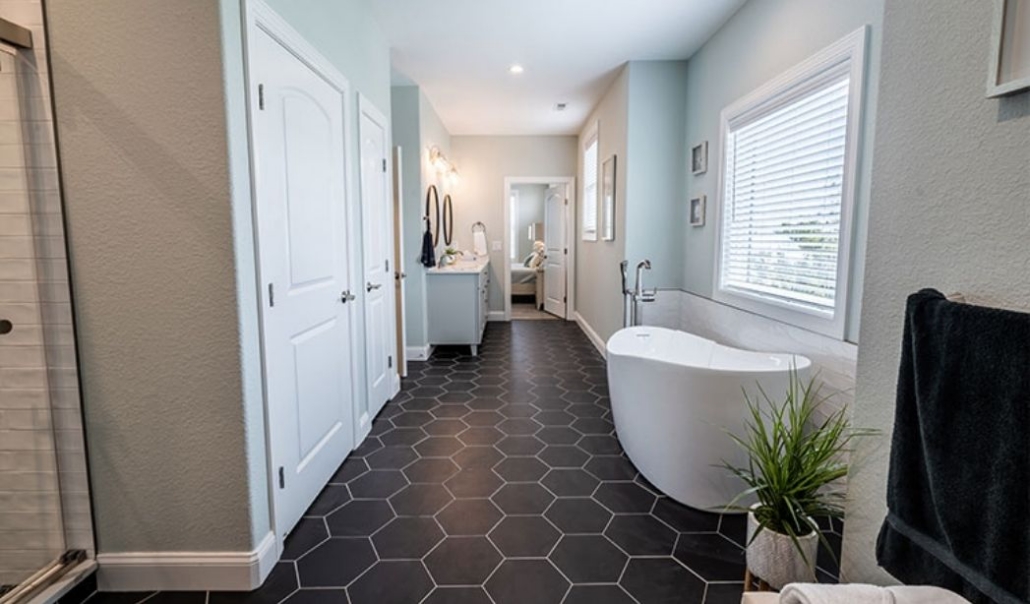
Start by separating essential features from optional upgrades. This helps prioritize your budget and simplifies decision-making throughout the design process.
Must-Haves
- Number of bedrooms and bathrooms
- Home office space
- Open-concept kitchen
- Walk-in pantry
- Ample storage
- Main-floor primary suite
Nice-to-Haves
- Wine cellar
- Home gym
- Outdoor kitchen
- Media room
- Pool or spa
- Custom built-ins
Identifying these priorities early can help avoid unnecessary compromises later in the project.
Inspiration Images, Mood Boards, and Style Preferences
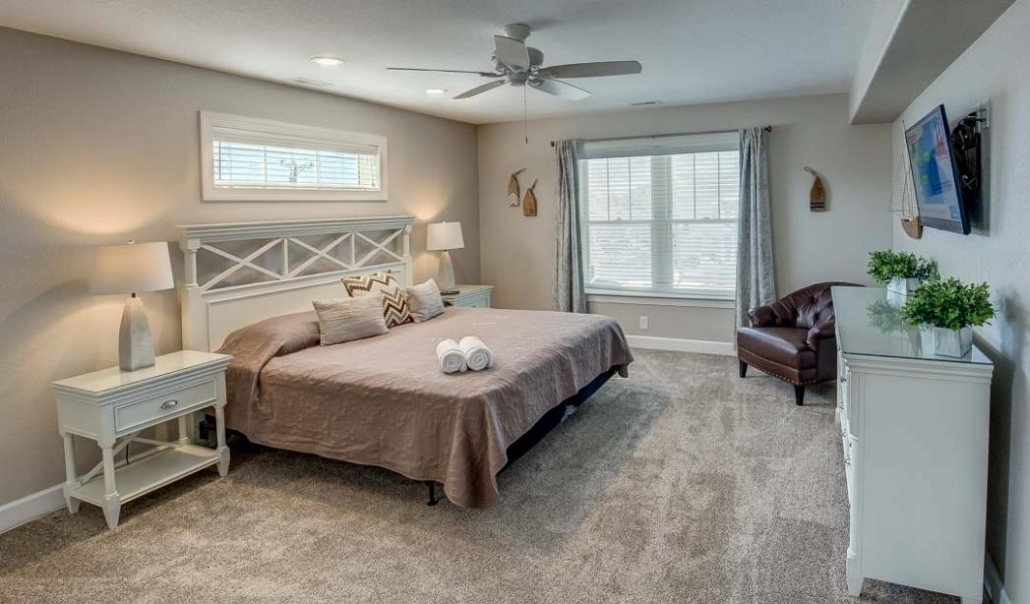
Visual references make it easier to communicate your ideas clearly to your design team. Gather inspiration from:
- Home design websites
- Magazines
- Pinterest boards
- Social media platforms
- Builder portfolios
Look for recurring themes in:
- Architectural styles
- Exterior materials
- Color palettes
- Kitchen and bathroom designs
- Lighting and finishes
Mood boards can help narrow down your preferences and create a more cohesive design direction.
How to Communicate Your Vision Clearly
Clear communication is essential during the custom home design process. Your design brief should outline:
- Lifestyle needs and routines
- Functional priorities
- Budget expectations
- Preferred design styles
- Future goals for the home
- Special requirements or concerns
The more specific and organized your vision is, the easier it becomes for your architect and builder to translate your ideas into a practical, well-designed home.
Step 5: Hire the Right Design-Build Team
The team you choose will play a major role in the success of your project. Experienced professionals can help you avoid costly mistakes, improve functionality, manage timelines, and guide you through every stage of the process. When learning how to design a custom home, hiring the right architect, designer, and builder is one of the most important decisions you’ll make.
Architect vs. Home Designer
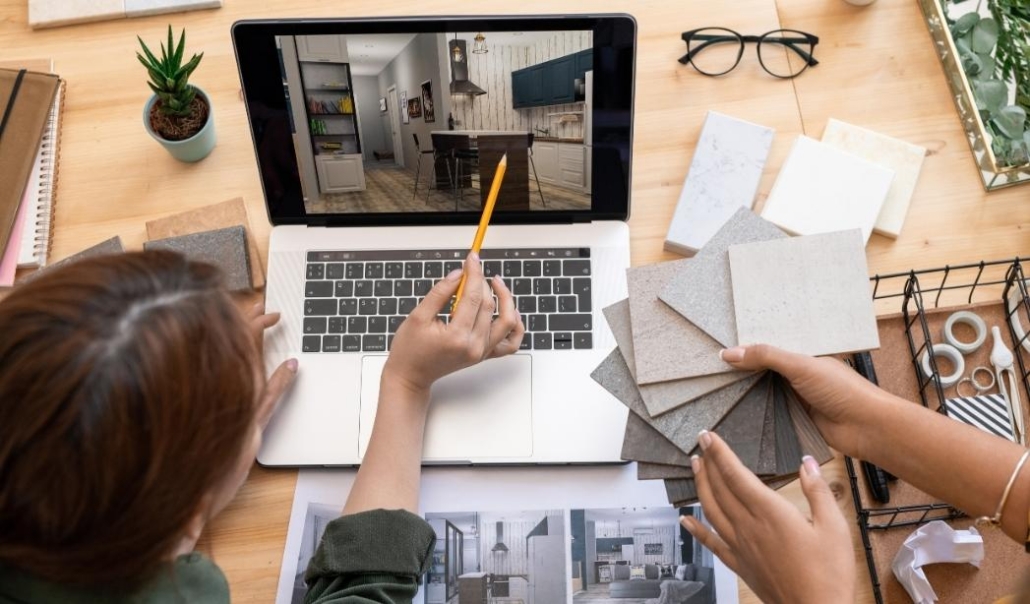
Both architects and home designers can help create custom home plans, but their roles and expertise often differ.
Architects are typically best for:
- Fully custom or complex home designs
- Unique structural layouts
- Luxury homes
- Challenging lot conditions
- High-end architectural detailing
Home designers may be suitable for:
- Simpler residential projects
- Budget-conscious builds
- Stock plan modifications
- Less complex layouts
An architect usually provides a broader level of design, technical planning, and coordination, while a home designer may focus more on practical layout development.
Interior Designer vs. Design-Build Firm
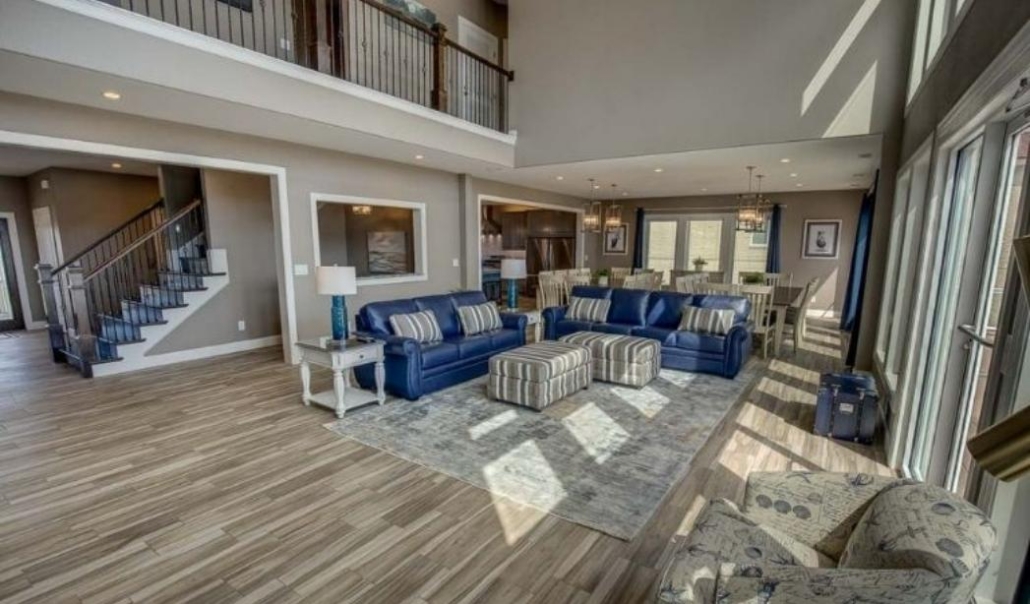
Interior designers focus on the visual and functional details inside the home, including:
- Finishes and materials
- Furniture layouts
- Lighting design
- Color palettes
- Cabinetry and fixtures
A design-build firm combines design and construction services under one company. This approach can offer:
- Streamlined communication
- Faster project coordination
- Better budget management
- Improved collaboration between designers and builders
The right choice depends on the complexity of your project and the level of involvement you want throughout the process.
Questions to Ask Before Hiring a Builder
Before selecting a builder, ask detailed questions to evaluate their experience, communication style, and project management process. Important questions include:
- How many custom homes have you completed?
- Can you provide references from recent clients?
- What is your estimated project timeline?
- How do you handle change orders and budget updates?
- What warranties do you provide?
- Who will supervise construction on-site?
- How often will we receive progress updates?
It’s also important to review contracts carefully, confirm licensing and insurance, and ensure the builder has experience with projects similar to your vision and budget.
Step 6: Design a Functional Floor Plan
A functional floor plan is one of the most important parts of learning how to design a custom home. While aesthetics matter, the layout ultimately determines how comfortable, efficient, and practical your home feels on a daily basis. A well-designed floor plan should support your lifestyle, maximize usable space, and create a natural flow between rooms.
Open Concept vs. Traditional Layouts
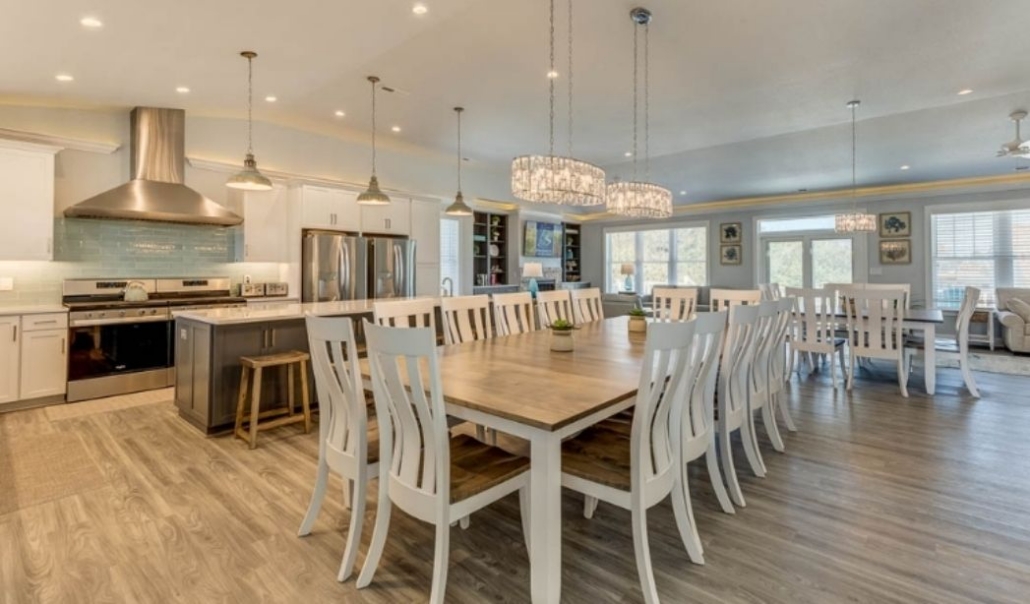
One of the first decisions homeowners make is whether to choose an open-concept or traditional layout.
Open-concept floor plans typically feature:
- Combined kitchen, dining, and living areas
- Better natural light distribution
- Easier entertaining and family interaction
- A more spacious feel
Traditional layouts offer:
- Greater privacy between rooms
- Better noise control
- Defined formal spaces
- Separation between living and working areas
The right choice depends on your family dynamics, entertaining style, and personal preferences.
Traffic Flow, Privacy Zones, and Room Placement
A good floor plan creates smooth movement throughout the home while balancing shared spaces and private areas. Important considerations include:
- Placing bedrooms away from noisy living spaces
- Keeping kitchens close to dining and outdoor entertaining areas
- Separating guest rooms from primary living zones
- Creating convenient access to garages, mudrooms, and laundry rooms
Privacy zones are especially important for multi-generational households or families with children and guests. Thoughtful room placement improves both comfort and functionality.
Storage, Natural Light, Ceiling Height, and Indoor-Outdoor Living
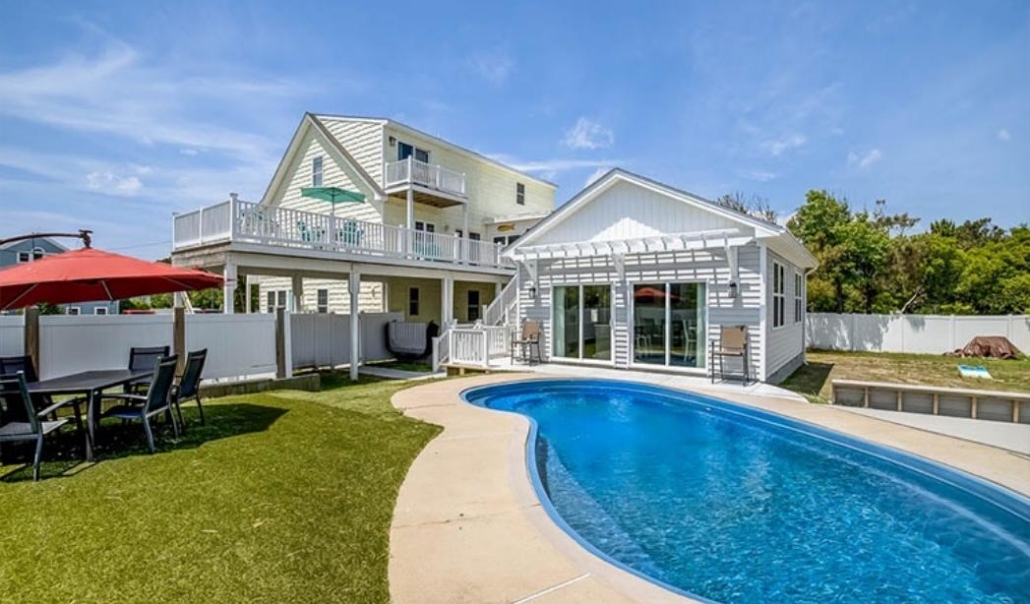
Functional homes prioritize more than just square footage. Features that improve daily livability include:
- Walk-in closets and built-in storage
- Large windows for natural light
- Higher ceilings to create openness
- Sliding glass doors and covered patios
- Seamless indoor-outdoor transitions
Storage is often overlooked during the design phase, but adequate pantry space, linen closets, and garage storage can make a significant difference in long-term organization and convenience. Likewise, maximizing natural light and outdoor connectivity can make your custom home feel larger, brighter, and more inviting.
Step 7: Choose Your Architectural Style and Exterior Design
Your home’s architectural style and exterior design shape its curb appeal, character, and long-term value. One of the most exciting parts of learning how to design a custom home is choosing a style that reflects your personality while still fitting your location, lifestyle, and budget. A cohesive exterior design also helps create a timeless look that remains appealing for years to come.
Modern, Coastal, Farmhouse, Transitional, and Traditional Styles
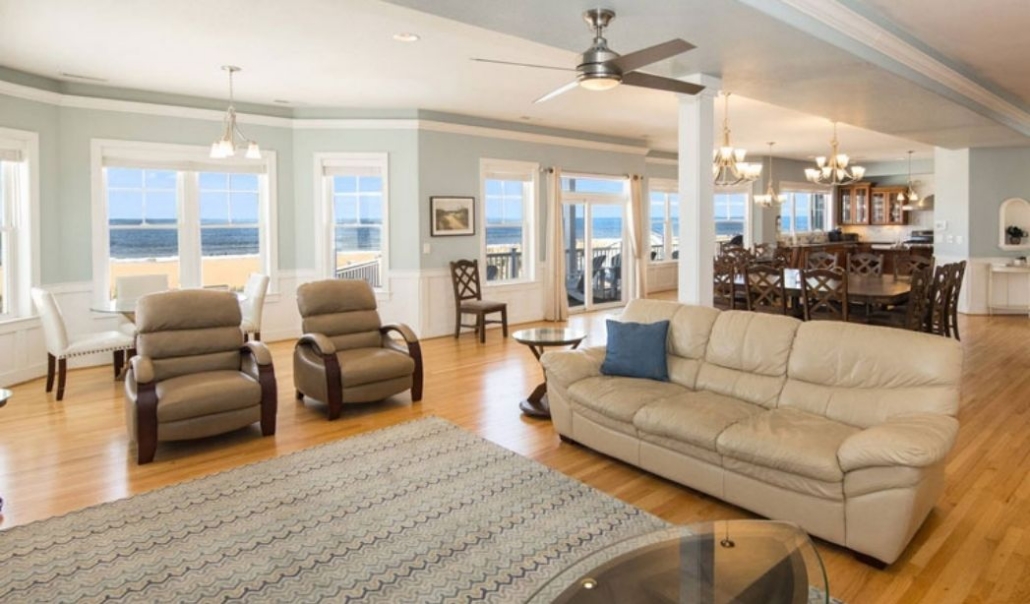
There are many architectural styles to choose from, each offering a distinct appearance and feel.
Modern homes typically feature:
- Clean lines
- Minimalist design
- Large windows
- Flat or low-pitched roofs
Coastal homes often include:
- Light color palettes
- Open layouts
- Large porches
- Indoor-outdoor living spaces
Farmhouse styles are known for:
- Simple, functional layouts
- Gabled roofs
- Board-and-batten siding
- Warm, rustic details
Transitional homes blend:
- Traditional architecture
- Modern finishes
- Balanced and versatile design elements
Traditional homes usually feature:
- Symmetrical layouts
- Classic rooflines
- Brick or stone exteriors
- Formal design details
Choosing the right style depends on your personal preferences, surrounding environment, and how you want your home to feel both inside and out.
Exterior Materials and Finishes
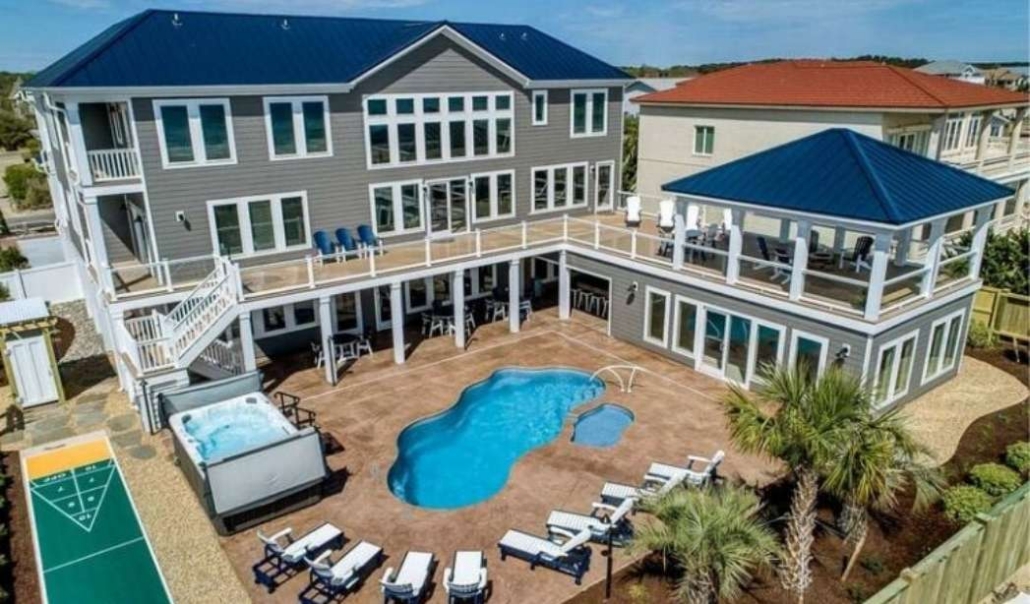
Exterior materials impact not only appearance but also durability, maintenance, and long-term costs. Popular exterior materials include:
- Brick
- Natural stone
- Stucco
- Fiber cement siding
- Wood accents
- Metal roofing
When selecting finishes, consider:
- Climate conditions
- Maintenance requirements
- Energy efficiency
- Color coordination
- Long-term durability
Combining complementary textures and materials can add depth and visual interest while creating a more custom appearance.
How to Choose a Style That Ages Well
Trends change over time, so it’s important to choose a design that will remain appealing and functional in the future. Homes that age well often include:
- Simple and balanced architecture
- Neutral exterior color palettes
- Durable, timeless materials
- Functional layouts over trend-driven features
- Quality craftsmanship and detailing
Instead of focusing only on current design trends, prioritize styles and finishes that offer lasting curb appeal and broad long-term appeal. A timeless exterior design can improve both enjoyment and resale value over the life of your home.
Step 8: Plan Energy Efficiency, Smart Features, and Building Systems
Modern custom homes are designed to be more comfortable, energy-efficient, and technology-friendly than ever before. Planning these systems early in the design process can improve long-term performance, reduce operating costs, and make your home more adaptable to future needs. When learning how to design a custom home, it’s important to think beyond aesthetics and consider how the home will function behind the walls.
Passive Solar Design, Insulation, and Efficient Windows
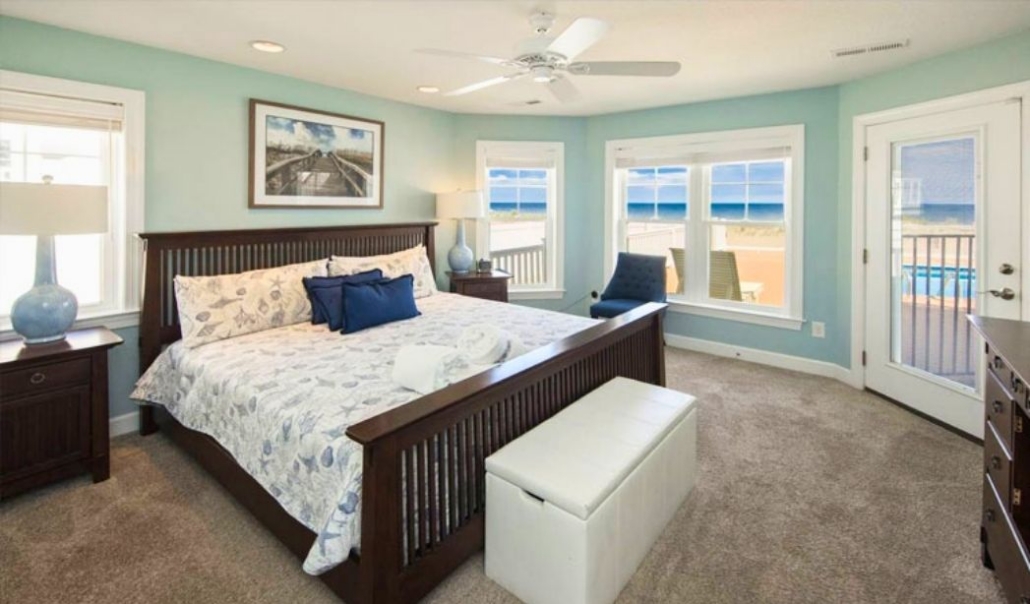
Energy efficiency starts with thoughtful home orientation and building design. Passive solar strategies can help regulate indoor temperatures naturally and reduce energy consumption.
Important considerations include:
- Positioning windows to maximize natural light
- Reducing heat gain during warmer months
- Using high-performance insulation
- Installing energy-efficient windows and doors
- Sealing air leaks throughout the home
Features such as Low-E glass, insulated walls, and proper attic ventilation can significantly improve comfort and lower utility bills over time.
HVAC, Plumbing, Electrical, and Smart Home Planning
Your home’s mechanical systems should support both current and future technology needs. Early planning helps avoid costly modifications later.
Key systems to plan for include:
- Zoned HVAC systems for better temperature control
- Efficient plumbing layouts
- Electrical panel capacity for future upgrades
- Smart thermostats and lighting systems
- Integrated security and surveillance systems
- Whole-home Wi-Fi and networking infrastructure
Many homeowners also choose to automate lighting, climate control, entertainment systems, and security features for added convenience and energy savings.
Solar Readiness, EV Charging, and Sustainable Materials

Sustainability and future-ready features are becoming increasingly important in custom home design. Even if you don’t install every feature immediately, preparing your home for future upgrades can save time and money later.
Popular future-focused upgrades include:
- Solar panel readiness
- Electric vehicle charging stations
- Battery backup systems
- Water-saving plumbing fixtures
- Sustainable and recycled building materials
- Energy-efficient appliances
Incorporating environmentally conscious materials and systems can improve energy performance, reduce maintenance costs, and increase the long-term value of your custom home.
Step 9: Finalize Technical Plans, Permits, and Pre-Construction Details
Before construction begins, your custom home plans must be finalized and approved for building. This stage transforms your ideas and conceptual layouts into detailed construction documents that contractors, engineers, and local authorities will use throughout the project. Proper preparation at this stage helps reduce delays, avoid costly revisions, and keep the construction process moving smoothly.
Structural Engineering and Construction Drawings

Technical plans provide the detailed information required to build your home safely and accurately. These documents typically include:
- Structural engineering plans
- Foundation details
- Framing layouts
- Electrical and lighting plans
- Plumbing and HVAC layouts
- Window and door schedules
- Material specifications
Structural engineers ensure the home can safely support loads, withstand local weather conditions, and comply with building codes. Accurate construction drawings also improve communication between contractors, subcontractors, and inspectors during the build.
Building Permits, Zoning Approvals, and HOA Requirements

Most custom homes require multiple approvals before construction can begin. Depending on your location, this may include:
- Building permits
- Zoning approvals
- Environmental reviews
- Utility approvals
- HOA design reviews
Permit requirements vary by municipality and can affect project timelines significantly. Some homeowners associations may also have strict guidelines regarding:
- Exterior materials
- Roof styles
- Landscaping
- Paint colors
- Fence designs
Reviewing all requirements early helps prevent redesigns, permit denials, and construction delays.
Long-Lead Materials, Contracts, and Site Preparation
Certain materials and products may require months of lead time, especially custom or specialty items. Ordering these early can help prevent schedule disruptions later in the project.
Long-lead items often include:
- Windows and doors
- Cabinets and millwork
- Appliances
- Roofing materials
- Specialty lighting fixtures
This phase should also include:
- Finalizing builder contracts
- Confirming construction schedules
- Preparing the site for excavation
- Clearing vegetation or debris
- Installing temporary utilities and access points
Careful planning before construction begins can help your custom home project stay on budget, on schedule, and aligned with your original vision.
Step 10: Manage Construction, Handover, and Aftercare
Once construction begins, staying involved throughout the process is essential to keeping your project on schedule, within budget, and aligned with your vision. Learning how to design a custom home also means understanding how to manage the final stages of construction, coordinate inspections, and prepare for long-term maintenance after move-in.
Main Construction Phases From Foundation to Finishes
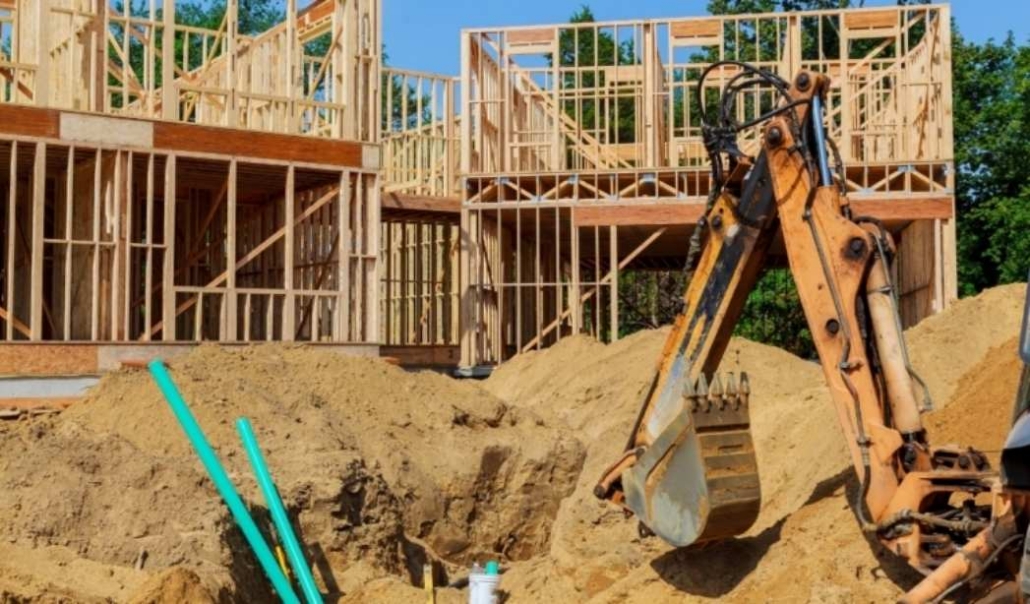
Custom home construction typically progresses through several major stages, including:
- Site preparation and excavation
- Foundation installation
- Framing and structural work
- Roofing and exterior enclosure
- Plumbing, electrical, and HVAC rough-ins
- Insulation and drywall
- Interior finishes and cabinetry
- Flooring, fixtures, and painting
- Landscaping and exterior details
- Final inspections and punch-list completion
Each phase requires inspections and coordination between multiple trades to ensure the project meets building codes and quality standards.
Site Visits, Change Orders, Budget Control, and Quality Checks
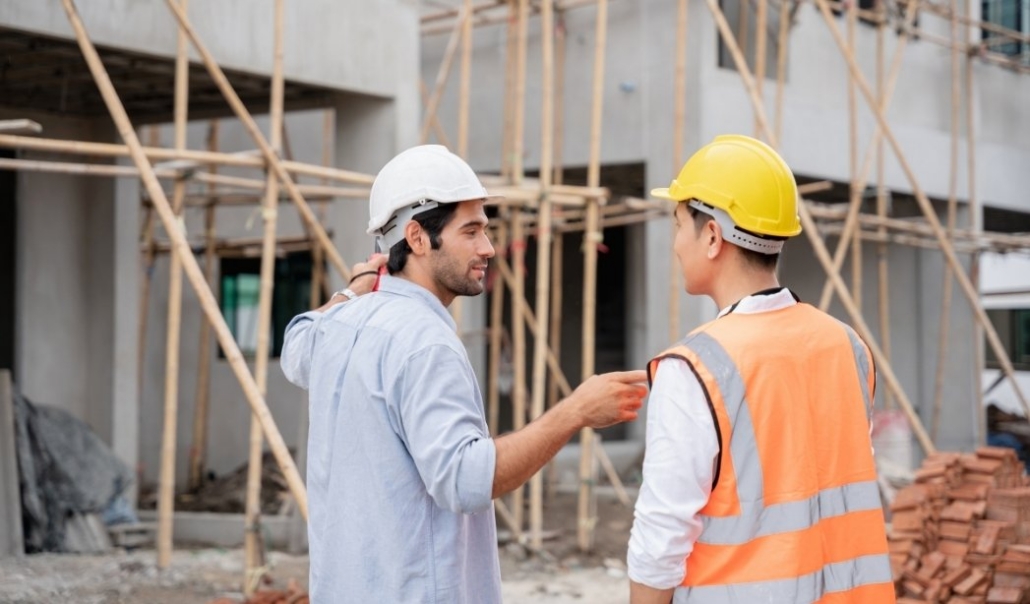
Regular communication with your builder is important throughout construction. Homeowners should stay actively involved by:
- Scheduling routine site visits
- Reviewing project progress regularly
- Monitoring timelines and budgets
- Confirming material selections and installations
- Addressing issues early before they become larger problems
Change orders, or modifications made after construction begins, can quickly increase costs and extend timelines. While some adjustments are unavoidable, minimizing late-stage changes helps keep the project efficient and financially manageable.
Quality checks are also critical during every phase of construction. Independent inspections or walkthroughs can help identify issues before finishes are completed.
Final Walkthrough, Move-In, Warranties, and Maintenance
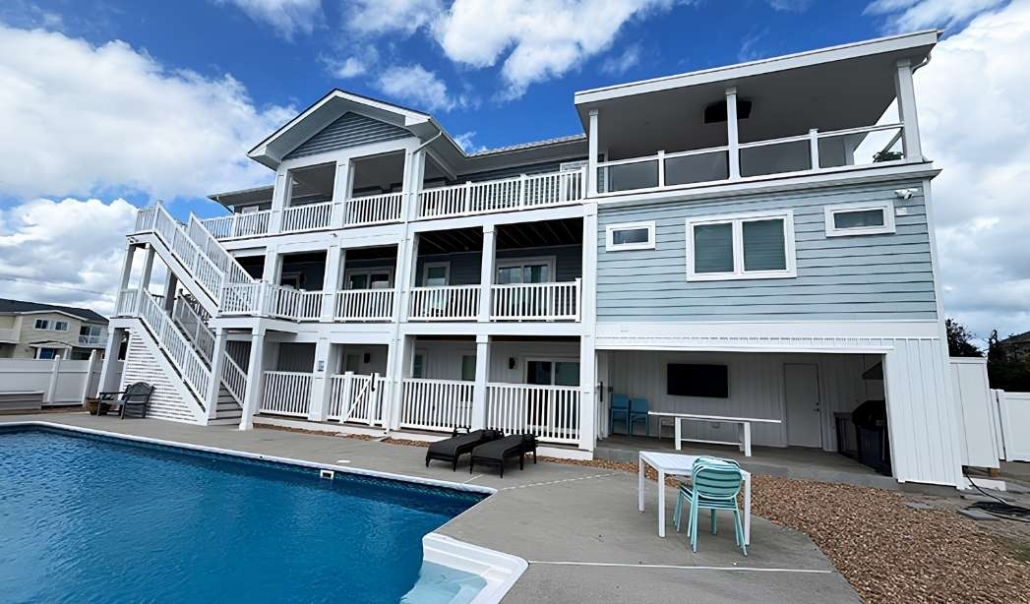
Before move-in, your builder will typically schedule a final walkthrough to review the completed home. During this process, homeowners should:
- Test appliances and systems
- Check finishes and fixtures
- Identify incomplete or damaged items
- Create a punch list for final corrections
You should also review:
- Builder warranties
- Maintenance recommendations
- Equipment manuals
- Emergency shutoff locations
- Smart home system instructions
Even after construction is complete, ongoing maintenance plays a major role in protecting your investment. Establishing a maintenance schedule for HVAC systems, roofing, landscaping, and exterior materials can help preserve the long-term value and performance of your custom home.
How Long It Takes to Design and Build a Custom Home
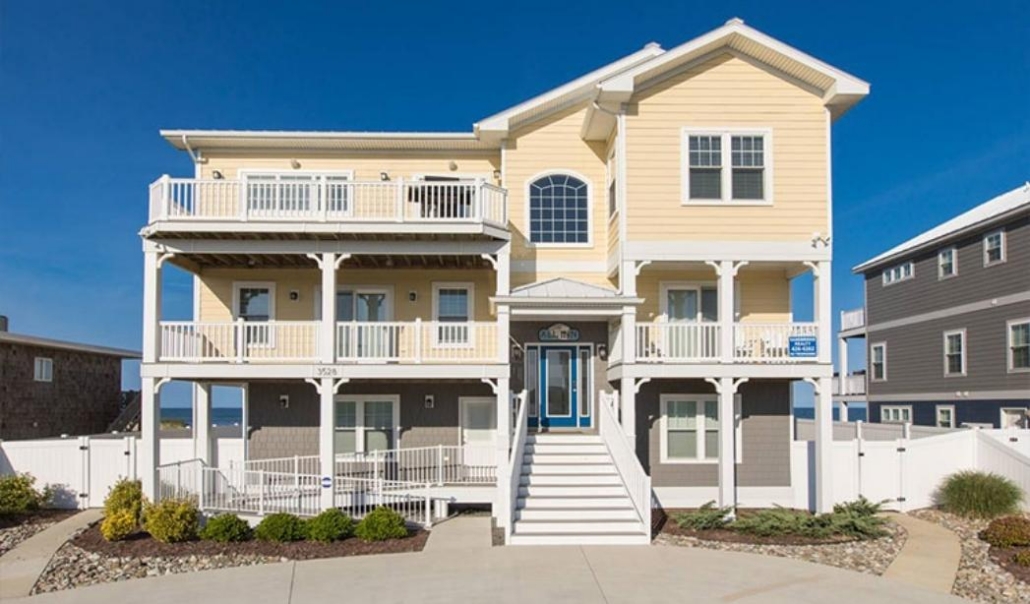
One of the most common questions homeowners ask when learning how to design a custom home is how long the process will take. While timelines vary depending on the size and complexity of the project, most custom homes require careful planning across multiple stages, including design, permitting, and construction.
Typical Design Timeline
The custom home design phase can take anywhere from a few months to over a year, depending on the project scope and level of customization.
Typical design timelines include:
- 2–4 months for simpler custom homes
- 4–8 months for larger or highly personalized homes
- Additional time for revisions, engineering, and approvals
The design stage usually includes:
- Initial consultations
- Floor plan development
- Architectural drawings
- Material selections
- Engineering coordination
The more detailed and customized the design, the longer this phase may take.
Permitting and Approval Timeframes
Before construction can begin, your plans must go through local permitting and approval processes. Depending on your municipality and HOA requirements, this phase may take:
- A few weeks in smaller jurisdictions
- Several months in heavily regulated areas
Common approvals may include:
- Building permits
- Zoning approvals
- Environmental reviews
- HOA design approvals
- Utility permits
Delays often occur when plans require revisions or additional documentation, so thorough preparation can help speed up the process.
Construction Timeline and Common Causes of Delays
Construction timelines for custom homes typically range from:
- 8–12 months for smaller or less complex homes
- 12–18 months or longer for larger luxury custom homes
Several factors can affect construction schedules, including:
- Weather conditions
- Labor shortages
- Material availability and shipping delays
- Permit or inspection issues
- Change orders during construction
- Site complications such as drainage or soil problems
Homeowners who finalize decisions early and maintain clear communication with their builder are often better positioned to keep projects on schedule and reduce avoidable delays.
Common Custom Home Design Mistakes to Avoid
Designing a custom home involves countless decisions, and avoiding common mistakes can save significant time, money, and stress throughout the project. Many homeowners focus heavily on aesthetics while overlooking important practical and financial considerations. Being aware of these issues early can help create a smoother and more successful custom home experience.
Common mistakes to avoid include:
- Starting without a clear vision or design brief
- Underestimating the total project budget
- Choosing the wrong lot
- Prioritizing style over function
- Ignoring storage and utility needs
- Not planning for future lifestyle changes
- Making too many changes during construction
- Hiring the wrong builder or design team
- Skipping site, soil, or zoning due diligence
- Failing to set aside a contingency budget
Careful planning, realistic budgeting, and working with experienced professionals can help reduce these risks and keep your custom home project aligned with your goals from start to finish.
Custom Home Design Checklist
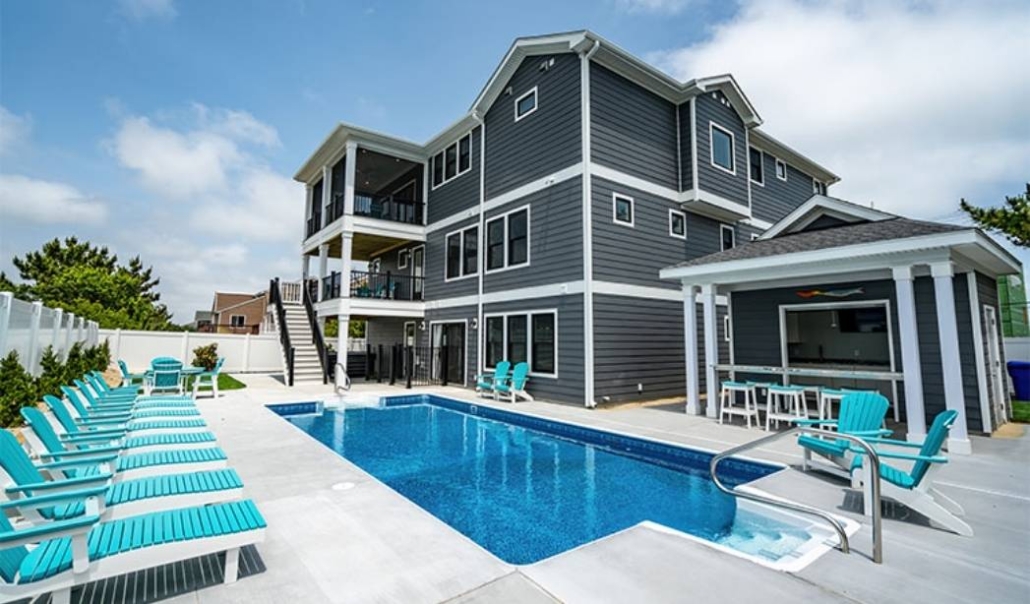
Use this checklist to stay organized throughout the custom home design and construction process:
- Define your lifestyle needs and long-term goals
- Set a realistic overall budget
- Choose and evaluate the right lot
- Create a list of must-haves and priorities
- Hire the right architect, designer, and builder
- Finalize a functional floor plan
- Select your architectural style and materials
- Plan for energy efficiency and smart home features
- Secure permits, approvals, and construction documents
- Prepare for construction, move-in, and future maintenance
Following a clear checklist can help simplify the process of learning how to design a custom home while reducing delays, unexpected costs, and avoidable mistakes along the way.
Frequently Asked Questions
Below are answers to some of the most common questions homeowners ask when learning how to design a custom home.
The first step in learning how to design a custom home is defining your lifestyle needs, priorities, and long-term goals. This includes thinking about your daily routines, family size, future plans, and the features that matter most to you. Having a clear vision early helps guide every decision throughout the project.
The cost of designing and building a custom home varies based on factors such as location, lot conditions, home size, materials, finishes, and the level of customization. In addition to construction costs, homeowners should budget for land, permits, design fees, engineering, landscaping, and contingency expenses.
Not every custom home project requires a licensed architect, but architects are often recommended for highly customized, complex, or luxury homes. Simpler projects may work well with a home designer or design-build firm, depending on local requirements and the scope of the project.
The full process of designing and building a custom home typically takes anywhere from 12 to 24 months. This timeline includes design development, permitting, approvals, and construction. Larger or more complex homes may require additional time.
When designing a custom home, it’s important to prioritize functionality, lifestyle needs, long-term flexibility, and energy efficiency before focusing on cosmetic features. A well-designed floor plan, quality materials, adequate storage, and future-ready systems often provide the greatest long-term value.
Conclusion
Learning how to design a custom home involves much more than choosing finishes or selecting a floor plan. From defining your lifestyle needs and setting a realistic budget to evaluating land, hiring the right team, and managing construction, every step plays an important role in creating a home that supports your daily life and long-term goals.
By following this 10-step process, homeowners can make more confident decisions, avoid costly mistakes, and create a custom home that combines functionality, comfort, efficiency, and personal style. Planning ahead for future needs, understanding how long it takes to design a custom home, and staying actively involved throughout construction can also help ensure a smoother and more successful building experience.
If you’re ready to start designing your dream home, contact RBC Homes to discuss your vision and begin planning a custom home tailored to your lifestyle, priorities, and future plans.