Best Siding Options for Virginia Beach Homes
Choosing the right siding for your home is crucial, especially in a coastal area like Virginia Beach. With its unique weather conditions humid summers, salty air, and occasional storms the siding on your home needs to withstand these challenges while also offering aesthetic appeal and energy efficiency.
So, what are the best siding options for Virginia Beach homes?
The best siding options for Virginia Beach homes include vinyl, fiber cement, wood, stucco, and stone or brick veneer. Each material offers distinct advantages depending on your priorities, from low maintenance and cost-effectiveness to superior durability and weather resistance.
Here are the top siding options for Virginia Beach homes:
Read on to explore each of these materials in detail, and find the perfect siding for your Virginia Beach home.
Top Siding Materials for Virginia Beach Homes
When choosing the best siding for your Virginia Beach home, it’s important to understand the benefits, pros, and cons of each material. The right choice will not only protect your home from the elements but will also contribute to its curb appeal and long-term value.
Composite Siding (Example: Everlast®)
Composite siding is considered one of the best siding options for Virginia Beach homes because it’s designed to handle coastal moisture, salty air, and high humidity. It’s also a popular choice for homeowners who want a clean, finished look without the constant upkeep that comes with more traditional exterior materials. For many properties near the ocean or bay, that low-maintenance durability is a major advantage.
Benefits
Here are the benefits:
- Resists moisture, rot, and insect damage
- Holds up well in salty coastal air
- Won’t need repainting as often as wood
- Maintains curb appeal with minimal maintenance
- More impact-resistant than many entry-level siding options
Cons
Here are the cons:
- Higher upfront cost than vinyl
- Professional installation is typically recommended
Overall, composite siding is a great fit for Virginia Beach homeowners who want a coastal-ready exterior that looks premium and stays low-maintenance year after year.
Natural Wood Siding (Cedar)
Cedar siding is a classic choice for coastal-style homes in Virginia Beach. It offers a warm, natural appearance that fits well with beach cottages, traditional homes, and custom builds. When properly maintained, cedar performs better than most other wood species in humid environments.
Cedar contains natural oils that help resist moisture and insects, which is especially important in coastal climates.
Benefits
Here are the benefits:
- Naturally resistant to rot and insect damage
- Performs better in humidity than most wood types
- Excellent natural insulation properties
- Can be stained or painted to match different styles
- Provides a timeless coastal aesthetic
Cons
Here are the cons:
- Requires regular sealing or staining
- Higher maintenance than composite or fiber cement
- Can weather or fade over time without proper care
Overall, cedar siding is ideal for Virginia Beach homeowners who value natural beauty and are willing to commit to routine maintenance to preserve its appearance.
Fiber Cement Siding (Example: James Hardie®)
Fiber cement siding is one of the most widely used exterior materials for homes in Virginia Beach. It’s known for its strength, durability, and ability to handle humid coastal conditions. Many manufacturers, including James Hardie®, produce fiber cement products specifically engineered for high-moisture climates.
Because it’s made from cement, sand, and cellulose fibers, fiber cement does not attract pests and holds up well against moisture when properly installed.
Benefits
Here are the benefits:
- Strong resistance to moisture and humidity
- Holds up well in coastal wind and storms
- Non-combustible and fire resistant
- Available in styles that mimic wood or board-and-batten
- Long lifespan when properly maintained
Cons
Here are the cons:
- Heavier material requiring professional installation
- Higher upfront cost than vinyl
- Can crack if impacted hard enough
Overall, fiber cement siding is a solid middle-ground option for Virginia Beach homeowners who want durability and a traditional look without the higher maintenance demands of natural wood.
Vinyl Siding
Vinyl siding remains one of the best siding options for Virginia Beach homes for homeowners seeking affordability and low maintenance. Modern vinyl products are far more durable than older versions and can perform well in humid coastal climates when properly installed.
While it may not offer the same longevity as composite or fiber cement, vinyl is often chosen for its balance of cost, appearance, and low maintenance.
Benefits
Here are the benefits:
- Budget-friendly upfront cost
- Resistant to moisture and insects
- Low maintenance with simple cleaning
- Wide variety of colors and styles
- Lightweight and quicker to install
Cons
Here are the cons:
- Can crack or loosen in extreme wind conditions
- May fade over time with heavy sun exposure
- Lower impact resistance than composite or fiber cement
Overall, vinyl siding is a practical option for Virginia Beach homeowners who want an affordable, low-maintenance exterior — especially for homes with less direct ocean exposure.
Key Considerations for Choosing Siding in Virginia Beach
When selecting the best siding options for Virginia Beach homes, it’s essential to consider several key factors beyond just the material’s look and price. The unique coastal environment presents specific challenges that must be addressed to ensure your home remains protected, energy-efficient, and visually appealing. Below, we explore the most important considerations to keep in mind when choosing the ideal siding for your home.
Coastal Climate Challenges
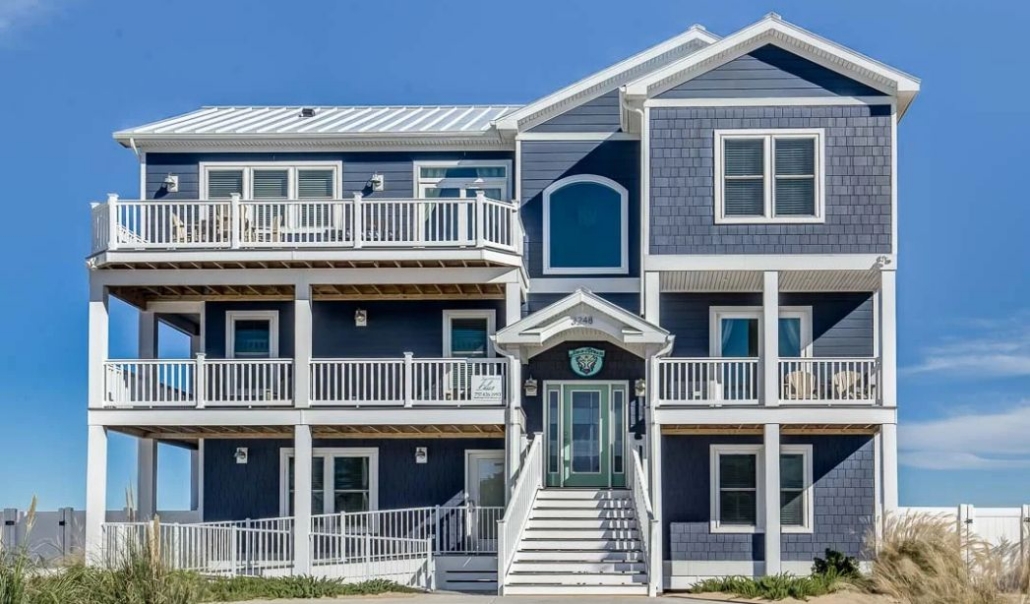
Living in a coastal area like Virginia Beach means your home is exposed to salty air, high humidity, and frequent storms. These environmental factors can cause wear and tear on your home’s exterior, so it’s vital to choose a siding material that can withstand these conditions. Materials like vinyl, fiber cement, and stone or brick veneer are excellent choices for coastal homes because they resist saltwater corrosion, moisture, and high winds.
Energy Efficiency
Energy efficiency is a crucial consideration for homeowners looking to lower utility bills and enhance comfort. The right siding can help regulate indoor temperatures, keeping your home warmer in the winter and cooler in the summer. Materials such as fiber cement and wood offer better insulation compared to vinyl, while brick and stone veneer are naturally energy-efficient. When selecting siding, it’s important to evaluate both the material itself and whether additional insulation is needed to meet your energy goals.
Aesthetic Appeal
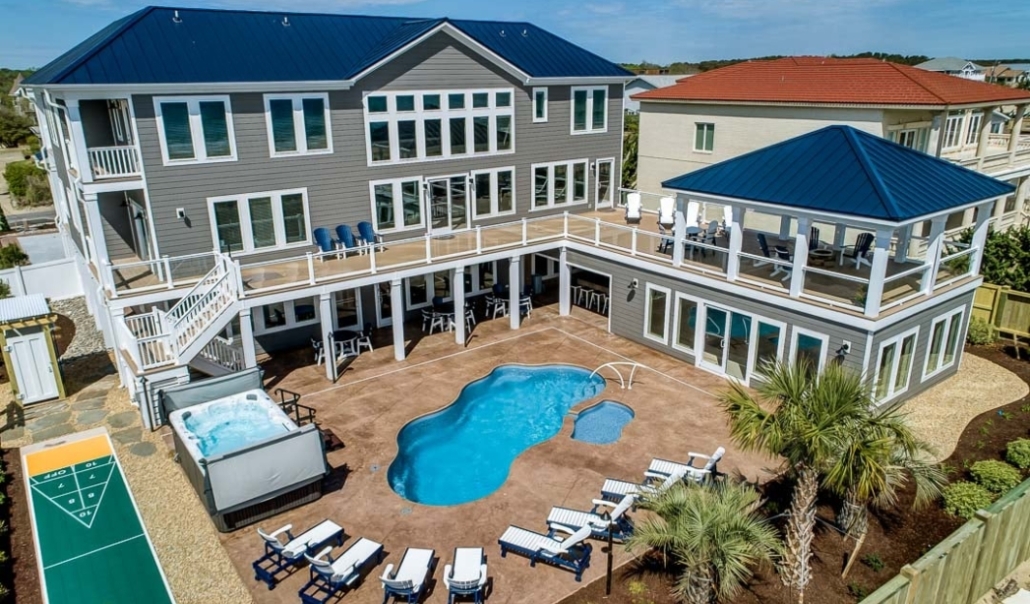
The aesthetic appeal of your home is a significant factor in the siding decision process. Virginia Beach is known for its beautiful coastal homes, so the right siding can complement the architectural style and enhance curb appeal. If you’re aiming for a traditional, classic look, wood siding or stone veneer may be ideal. For a more modern, low-maintenance option, fiber cement and vinyl siding provide versatile design choices. Consider your home’s overall style and how the siding material will match your vision for the exterior.
Maintenance Requirements
Some siding materials require more upkeep than others, and it’s important to factor in the time, effort, and cost of maintenance. Wood siding, while beautiful, requires regular painting or staining to protect it from moisture and pests. Vinyl and fiber cement siding, on the other hand, are much lower maintenance options, needing only occasional cleaning to maintain their appearance. If you’re looking for a low-maintenance solution, materials like vinyl, fiber cement, and brick veneer should be at the top of your list.
Read More: Relocating to Virginia Beach – Everything You Need to Know
Cost and ROI
When choosing siding, it’s essential to balance initial costs with long-term value. Some materials like vinyl and wood are more budget-friendly upfront but may require more maintenance or repairs over time. On the other hand, fiber cement, stone, and brick veneer may have a higher initial cost but provide better long-term durability, energy efficiency, and home value. Additionally, consider the potential return on investment (ROI) the right siding can increase the overall value of your home, especially if you’re planning to sell in the future.
Ready to make the best siding choice for your Virginia Beach home?
Contact RBC Homes today to learn more about the best siding options for your needs, schedule a consultation, and get expert advice on installation and maintenance.
Factors to Consider When Choosing the Best Siding
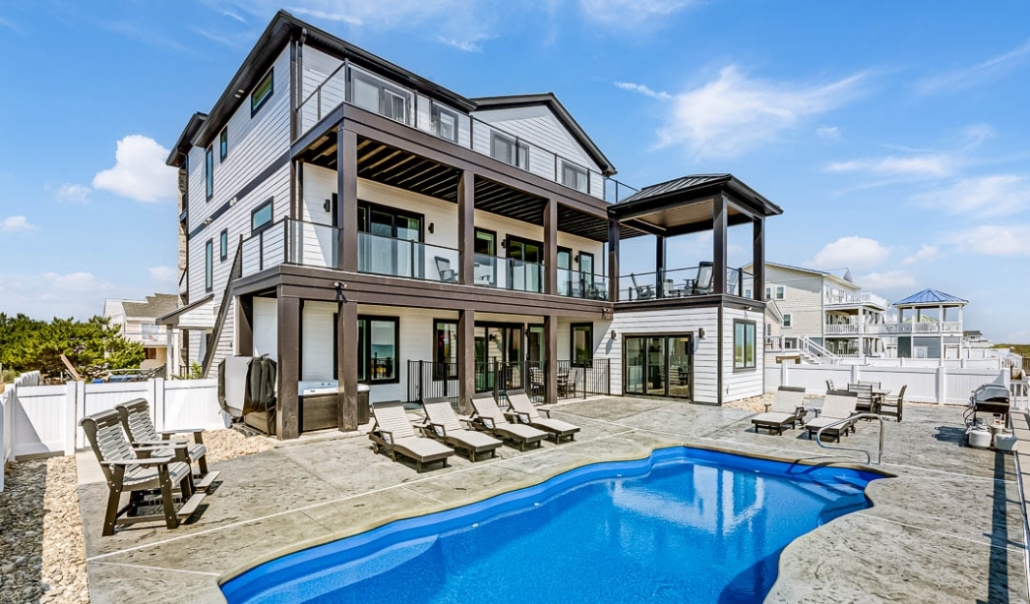
Choosing the best siding for your Virginia Beach home involves a combination of practical considerations and personal preferences. While there are a variety of materials available, certain factors can help narrow down the options to suit your specific needs. Below, we explore four key factors to keep in mind when selecting the ideal siding for your home.
Weather Resistance
Virginia Beach’s coastal location means homes are exposed to harsh weather conditions, including high humidity, saltwater, heavy rains, and occasional hurricanes. Weather resistance is one of the most critical factors to consider when choosing siding. Materials such as fiber cement, vinyl, and stone or brick veneer are highly durable and perform well against the salty air and intense storms common in the region. These materials are resistant to rot, corrosion, and other weather-related damage, ensuring your home stays protected year-round.
Home Style Compatibility
The style of your home should heavily influence your choice of siding. Different materials complement various architectural styles, so it’s important to select a siding that enhances the overall aesthetic of your property. For example, traditional homes often look great with wood siding, while more modern homes may benefit from sleek materials like fiber cement or stucco. If you live in a historical neighborhood, be sure to choose a siding that aligns with local architectural styles and community expectations.
Budget
Your budget plays a significant role in determining which siding materials are feasible for your home. Some materials, such as vinyl, offer a more affordable upfront cost but may require more maintenance over time. Others, like fiber cement and stone veneer, have a higher initial cost but tend to be more durable and energy-efficient in the long run. It’s important to not only consider the material cost but also factor in installation and maintenance costs over the lifespan of the siding. Choose a material that fits your budget while providing the best value for your investment.
Read More: How Much Does It Cost to Build a House in VA Beach?
Local Regulations & Codes
Before making a final decision, check with local building authorities to ensure your chosen siding material complies with Virginia Beach’s building codes and regulations. Some areas may have restrictions on certain materials or require additional considerations for installation, especially in coastal areas prone to storms. Additionally, your HOA (Homeowners’ Association) may have specific guidelines for exterior design that need to be followed. Understanding these regulations upfront can prevent delays and unexpected costs during the installation process.
Expert Tips on Installing and Maintaining Siding
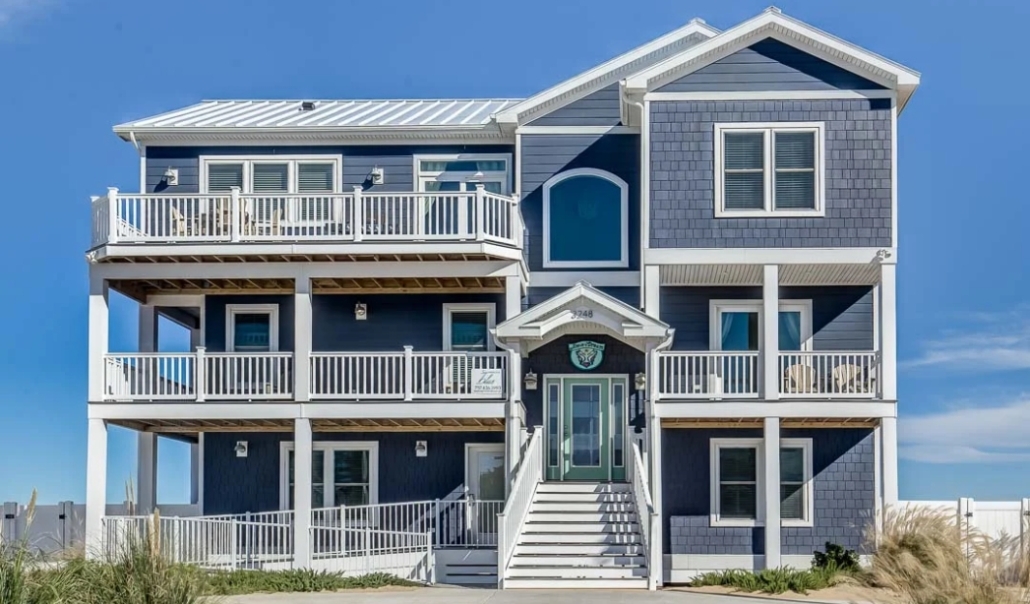
Proper installation and regular maintenance are key to ensuring the best siding options for Virginia Beach homes last for years and continue to protect your home from the elements. Whether you’re considering professional installation or taking the DIY route, it’s essential to follow expert tips to maximize the performance and lifespan of your siding. Below are some helpful tips on both installation and maintenance.
Professional Installation vs. DIY
While installing siding yourself may seem like a cost-saving option, professional installation is often the best choice, especially for materials like fiber cement, stone veneer, or stucco. Professional contractors have the expertise to ensure that siding is installed correctly, adheres to local building codes, and is properly weatherproofed. Improper installation can lead to gaps, leaks, and premature wear. Additionally, materials like fiber cement and brick veneer are heavy and require specialized tools and skills, making them challenging for a DIY project.
If you do choose to go the DIY route, make sure to research the specific requirements for the material you’re using. Follow the manufacturer’s guidelines carefully to ensure proper installation and avoid costly mistakes.
Weatherproofing Tips
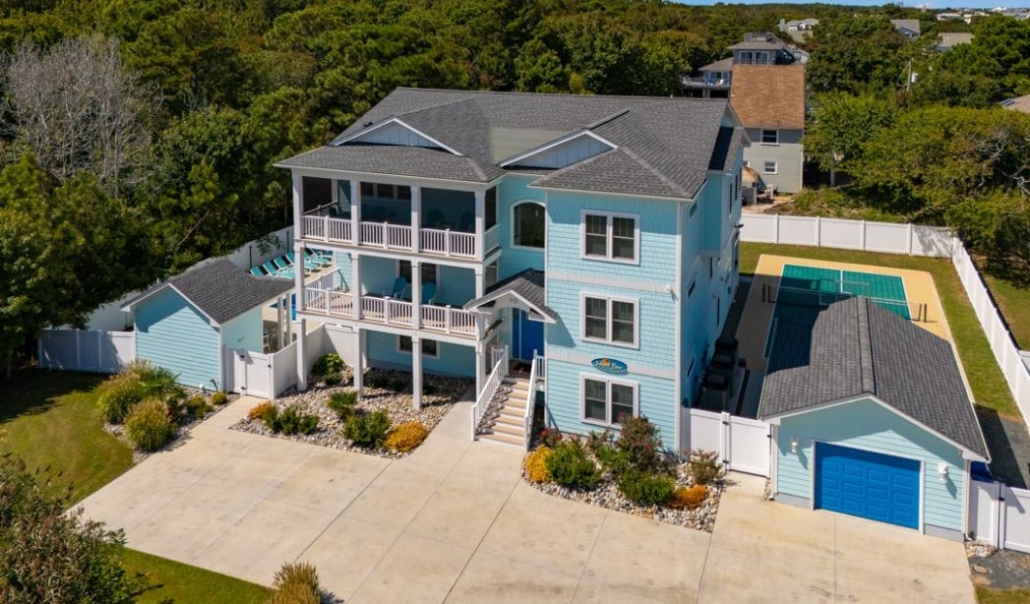
Proper weatherproofing is essential to extend the life of your siding, especially in a coastal climate like Virginia Beach. Here are a few key tips to help weatherproof your siding:
- Seal the edges and seams: Ensure that all joints between panels are properly sealed to prevent water infiltration. Use caulking or weather-resistant sealant around windows, doors, and other openings.
- Install a vapor barrier: A vapor barrier can help reduce moisture buildup behind the siding, preventing mold and rot, especially in areas with high humidity.
- Ventilate your siding: Proper airflow behind the siding can help prevent trapped moisture and reduce the risk of mold growth. Many siding systems come with built-in ventilation features, but if yours doesn’t, consider adding vents at the top and bottom of the walls.
By following these weatherproofing tips, you can significantly improve the durability and longevity of your siding in Virginia Beach’s coastal environment.
Read More: Moving to Virginia Beach – The Top-Ranked East Coast City to Live In
Regular Maintenance Advice
Maintaining your siding is crucial to its performance and appearance. Here are some regular maintenance tips to keep your siding looking its best:
- Inspect regularly: Check your siding at least once a year for signs of damage or wear, such as cracks, chips, or holes. Early detection can prevent more significant issues later on.
- Clean your siding: Regular cleaning helps maintain your siding’s appearance and prevent buildup of dirt, algae, and mildew. Use a mild detergent and a soft brush to gently clean the surface without causing damage. For vinyl siding, pressure washing is an option, but make sure to set the pressure to low to avoid harming the material.
- Touch up paint and sealant: If you have wood or fiber cement siding, keep an eye on the paint or sealant, as it can wear down over time. Repainting or resealing your siding every few years can help prevent moisture damage.
- Trim vegetation: Keep plants, vines, and shrubs trimmed back from your siding. Excess moisture from plants can lead to rot, mold, or insect infestations.
Regular maintenance ensures that your siding continues to protect your home effectively and retains its aesthetic appeal for many years.
FAQs
Selecting the best siding options for Virginia Beach homes can come with a lot of questions. Below, we’ve answered some of the most common questions about siding materials to help guide your decision-making process.
For beach houses, the best siding materials are those that can handle the harsh coastal environment, including salt air, moisture, and high winds. Fiber cement and vinyl siding are two of the best options because they are highly durable, moisture-resistant, and require little maintenance. Stone or brick veneer also provides excellent protection and offers a timeless, upscale look. However, it comes at a higher price point.
Fiber cement and stone veneer are typically the siding materials that add the most value to a home. These options not only enhance curb appeal but also boost durability and energy efficiency, making them attractive to potential buyers. Although they may have a higher upfront cost, they offer a strong return on investment (ROI) by increasing the home’s market value.
In hot and humid climates, the best siding materials are those that resist moisture and provide strong insulation. Fiber cement is a great option due to its moisture resistance and ability to prevent rot, while also offering effective insulation. Vinyl siding is another reliable choice, as it requires minimal maintenance, resists mold and mildew, and can endure the heat and humidity typical of coastal environments.
For a beach house, fiber cement and vinyl siding are typically the best materials, thanks to their ability to withstand the salty air, humidity, and intense sun exposure common at the beach. Stone or brick veneer is another excellent option for a more luxurious, low-maintenance, and long-lasting material. Each of these materials offers excellent durability, moisture resistance, and weather protection key features for a beachside home.
Conclusion
Choosing the best siding options for Virginia Beach homes is crucial for durability, aesthetics, and long-term protection. From low-maintenance vinyl siding to premium options like fiber cement and stone veneer, each material offers unique benefits to withstand the coastal environment. By considering factors like climate, energy efficiency, and maintenance, you can find the perfect siding for your needs.
Ready to upgrade your home’s exterior?
Contact RBC Homes today for expert guidance and professional installation. We’re here to help you choose the best siding solution for your home.