How to Design a Custom Home – 8 Essential Steps
Wondering how to design a custom home that fits your lifestyle and future goals? The process starts with a clear vision, a solid plan, and the right guidance.
Designing a custom home means making thoughtful choices about how your spaces will function, feel, and evolve over time. From the early planning stages to move-in day, each phase plays a vital role in turning your vision into reality.
Here’s how to design a custom home, step by step:
- Clarify your vision
- Evaluate your site or lot
- Develop a concept design
- Advance the technical design
- Plan your budget
- Secure permits and approvals
- Manage construction
- Move in and maintain
In this guide, you’ll explore each phase in detail, alongside expert insights from RBC Homes, a trusted custom home builder serving Virginia Beach and surrounding communities.
1. Clarify Your WHY & Define Your Custom‑Home Brief
Every great custom home starts with a clear purpose. Before diving into plans or materials, it’s essential to step back and ask: Why are you building a custom home in the first place?
Understanding your “why” gives direction to every decision ahead, from layout and finishes to future flexibility.
Why “Custom” Matters
Unlike production homes that follow preset floor plans, a custom home is built around you. It reflects your daily routines, family structure, lifestyle goals, and long-term needs. With a custom home, you’re not just choosing features, you’re designing solutions that improve how you live.
Key Questions to Ask Before You Begin
To shape your design brief, start by exploring these essential questions:
- What does your daily routine look like now, and how might it evolve?
- Are you planning for children, aging parents, or multi-generational living?
- Do you need flexible work-from-home spaces or private retreats?
- How important are accessibility features or aging-in-place strategies?
- What does “home” mean to you emotionally, practically, and architecturally?
These questions help uncover your core priorities, which will inform both the floor plan and the feel of the home.
Documenting Your Vision
Once you’ve clarified your lifestyle needs and aspirations, begin crafting your custom home brief. Think of it as a roadmap for your design team. A strong brief typically includes:
- Mood boards or inspiration images (Pinterest, Houzz, etc.)
- A list of must-haves (e.g., main-floor primary suite) and nice-to-haves (e.g., built-in bar)
- A simple description of your ideal day in the home
- Notes on materials or design styles you love, or want to avoid
Visual references and written notes can help your architect or builder quickly understand your preferences and priorities.
Set Realistic Expectations
It’s easy to dream big, but a successful custom build balances ambition with clarity. Before you proceed, define a realistic budget range, understand potential timelines, and prepare for the number of decisions involved.
Custom building is exciting, but also detailed and emotional. Decision fatigue is real. At RBC Homes, we guide clients through a structured process to reduce overwhelm and ensure your vision stays on track, every step of the way.
2. Site & Lot Evaluation
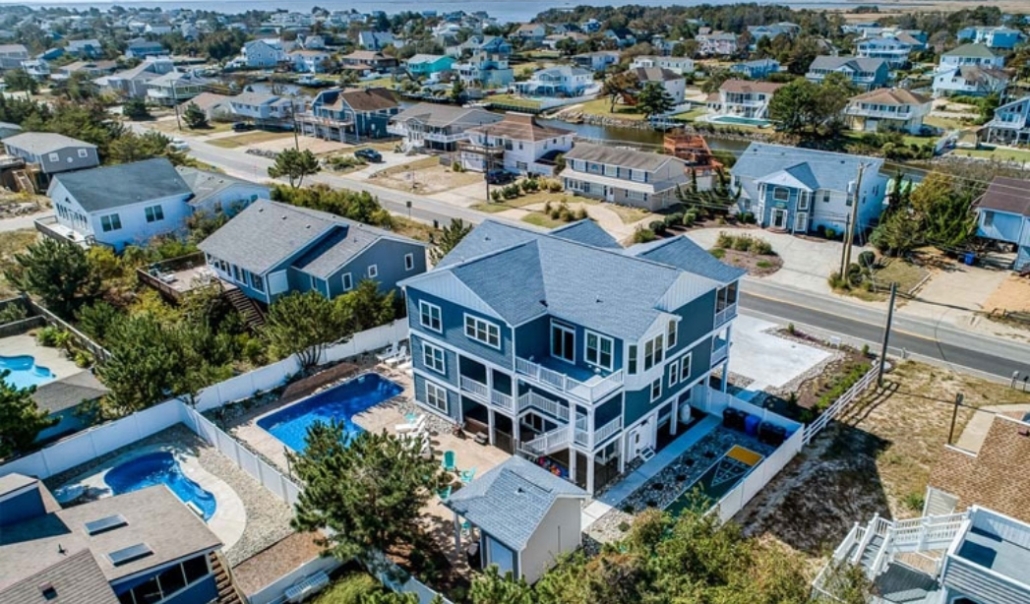
Once you’ve clarified your vision, the next step in learning how to design a custom home is evaluating the canvas your home will be built on: the site. The lot you choose, or already own, plays a defining role in how your custom home is designed, built, and ultimately lived in.
What to Evaluate on Your Lot
A well-chosen site doesn’t just influence your design, it unlocks its full potential. When evaluating your property, consider:
- Orientation: Which direction will your home face? South-facing windows offer passive solar gain, while east-facing rooms capture morning light.
- Slope & Topography: A sloped site might allow for a walk-out basement or split-level design, but may also require grading or retaining walls.
- Views & Vistas: Maximize scenic views while maintaining privacy from neighbors or public spaces.
- Neighborhood Context: Look at setbacks, surrounding architecture, and HOA restrictions (if applicable).
- Zoning & Setbacks: Local regulations may limit the size, height, or placement of your home.
- Utilities & Access: Check for existing water, sewer, electrical, and road access, or account for the cost to add them.
These factors inform everything from window placement to outdoor living zones.
How Site Constraints Shape Your Design
Site-specific conditions often dictate key elements of a custom home. For instance:
- A narrow lot may lead to a vertical layout with stacked living spaces.
- A corner lot could offer dual access or garage flexibility.
- Tree preservation zones may influence where you can build, or inspire a home that wraps around nature.
Smart design works with the site, not against it. At RBC Homes, we specialize in tailoring each design to maximize a property’s advantages, whether that means capturing ocean breezes in Virginia Beach or navigating floodplain regulations.
Site Due Diligence Checklist
Before finalizing a purchase or moving forward with design, complete a thorough site analysis. Here’s a checklist of critical due diligence items:
- Soil test (geotechnical survey): Determines foundation type and drainage capacity
- Environmental assessment: Especially important near wetlands or protected areas
- Topographic survey: Maps slopes, contours, trees, and structures
- Utility mapping: Verifies location and capacity of water, gas, sewer, and electrical
- Zoning confirmation: Confirms permitted uses, setbacks, and density limits
- Easements & encumbrances: Check for shared access, drainage easements, or utility rights-of-way
- Heritage or coastal overlays: Some areas may have design controls or build restrictions
Getting this groundwork right sets the stage for a smoother design and permitting process.
3. Concept Design & Programming
With your goals clarified and your site evaluated, it’s time to bring your vision to life on paper. This is the stage where ideas begin to take shape, literally.
Working with Your Architect or Designer
The success of your custom home starts with a well-structured design brief and clear communication. When you first meet with an architect or designer:
- Share your custom home brief: Include lifestyle goals, room counts, adjacencies, and design preferences.
- Be specific about priorities: Identify your must-haves versus nice-to-haves.
- Provide visual references: Mood boards, floor plans, or even photos of homes you love help convey your intent clearly.
- Discuss your budget range early: This guides the creative process and keeps expectations realistic.
At RBC Homes, our design-build approach ensures that homeowners work closely with both design and construction teams from the start, so creativity and feasibility stay in sync.
Translating the Brief into a Floor Plan
Turning your vision into a workable floor plan is a collaborative, iterative process. Your designer will explore:
- Spatial flow: How people move through the home, from public to private spaces.
- Room adjacencies: Placing rooms logically, like locating a laundry room near bedrooms, or keeping noisy zones away from quiet areas.
- Zoning: Dividing spaces into functional zones, day vs. night, work vs. relaxation, indoors vs. outdoors.
The best floor plans feel effortless, because they were designed with precision and intention.
Using 3D Models and Virtual Walkthroughs
Modern tools like 3D renderings and VR walkthroughs are game-changers. These tools allow you to:
- Visualize your future home before it’s built
- Catch layout issues early (like awkward transitions or underused spaces)
- Refine design decisions through realistic previews of volume, lighting, and flow
At RBC Homes, we use advanced visualization tools throughout the design process. Seeing your spaces in 3D helps eliminate guesswork and supports better decision-making.
Balancing Creativity and Constraints
Great design happens when vision meets reality. Your concept must reflect:
- Site limitations: Slopes, zoning, and views all impact layout and form
- Building regulations: Local codes, height restrictions, and footprint limits
- Budget boundaries: Design choices directly affect build costs, so structure, materials, and complexity must align with your financial plan
An experienced design-build team helps you balance innovation with practicality, ensuring the end result is both beautiful and buildable.

4. Design Development & Technical Documentation
Once your concept is approved, the next step in how to design a custom home is the technical phase. This is where early ideas evolve into detailed plans that builders, engineers, and permitting offices can use to bring your home to life.
Choosing Materials, Finishes, and Building Systems
Design development is where you make key decisions about how your home will perform, feel, and age over time. This includes:
- Structural materials: Framing systems (wood, steel, ICF), slab types, and framing spans
- Exterior finishes: Siding, roofing, masonry, and cladding materials
- Windows & doors: Style, energy ratings, frame materials, and orientation
- HVAC systems: Heating, cooling, and ventilation choices based on climate and budget
- Insulation & envelope: Selecting the right R-values and air-sealing strategies for comfort and energy savings
These selections affect not only the aesthetic but also long-term durability, maintenance, and efficiency.
Coordinating with Engineers, Builders, and Authorities
This phase brings in technical collaborators to ensure the design is structurally sound and code-compliant. It includes:
- Structural engineering: Load calculations, framing specs, and foundation plans
- MEP (Mechanical, Electrical, Plumbing) coordination: Routing ducts, electrical panels, and plumbing lines
- Permitting: Preparing and submitting construction drawings to meet local building codes and regulations
A coordinated design set minimizes surprises during construction, and speeds up the approval process.
At RBC Homes, we manage this phase in close collaboration with engineers and code officials to ensure everything is documented, coordinated, and ready for construction.
Cost-Impacting Design Decisions
The technical phase is where small choices can lead to big cost and schedule differences. Key examples include:
- Structural systems: Simpler spans and layouts are faster and more affordable to build
- Energy efficiency upgrades: High-performance insulation, triple-pane windows, or solar readiness can increase upfront costs but reduce long-term bills
- Smart home integration: Planning for home automation (lighting, security, audio) during this stage avoids costly retrofits later
Being proactive here helps you control costs and maintain your overall project timeline.
5. Budgeting, Value Engineering & Cost Control
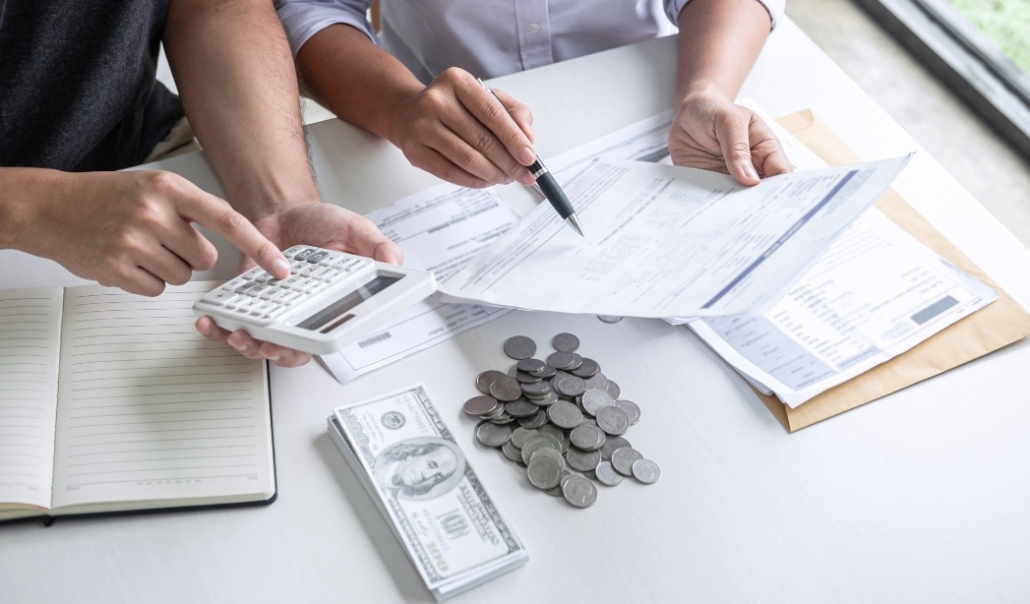
Designing a custom home is an investment, and your budget plays a central role in shaping the scope, materials, and pace of your project. Clear financial planning from the start helps prevent delays, redesigns, or overspending down the road.
Setting a Realistic Budget Early
Start by defining your total project budget, not just build costs. This should include:
- Land purchase (if applicable)
- Design and engineering fees
- Permit and impact fees
- Site prep and utility connections
- Construction costs
- Furnishings, landscaping, and contingencies
It’s also important to consider cost per square foot benchmarks in your region. In the Virginia Beach area, pricing can vary based on proximity to the ocean, complexity of the design, and selected materials.
At RBC Homes, we guide clients through early-stage budgeting to ensure their vision aligns with financial reality, and we build in flexibility where it counts.
Value Engineering: Where to Splurge vs. Save
Value engineering isn’t about cutting corners, it’s about making strategic trade-offs to optimize performance, aesthetics, and cost.
Smart places to invest:
- Structural quality and durability
- Energy-efficient HVAC and insulation
- High-performance windows and building envelope
- Kitchen and bath fixtures (high-use areas)
Smart places to save:
- Finishes that can be upgraded later (e.g., flooring, lighting)
- Simplified rooflines and building forms
- Specialty features that aren’t essential from day one
Choosing cost-effective systems or phasing non-essentials can help protect your budget without sacrificing long-term value.
How to Get Accurate Estimates and Lock Down Pricing
During design development, your builder should work closely with estimators and trades to generate detailed pricing. This allows for:
- Itemized estimates: Understand how each design choice affects cost
- Material selections: Confirm pricing before construction starts
- Bid comparisons: Ensure quotes are competitive and transparent
Partnering with a design-build firm like RBC Homes streamlines this process. With construction expertise built into the design team, pricing stays realistic and adjustments are handled quickly, avoiding drawn-out bidding cycles.
Planning for Overruns and Delays
Even with careful planning, unexpected costs and delays can arise. Set aside a contingency reserve of 5–15% of your construction budget to cover:
- Site surprises (like poor soil or buried debris)
- Permit delays or code changes
- Material cost fluctuations or shortages
- Design changes during construction
Having a financial buffer, and a builder with strong project management systems, keeps your custom build on track even when challenges arise.
6. Permitting, Approvals & Pre‑Construction
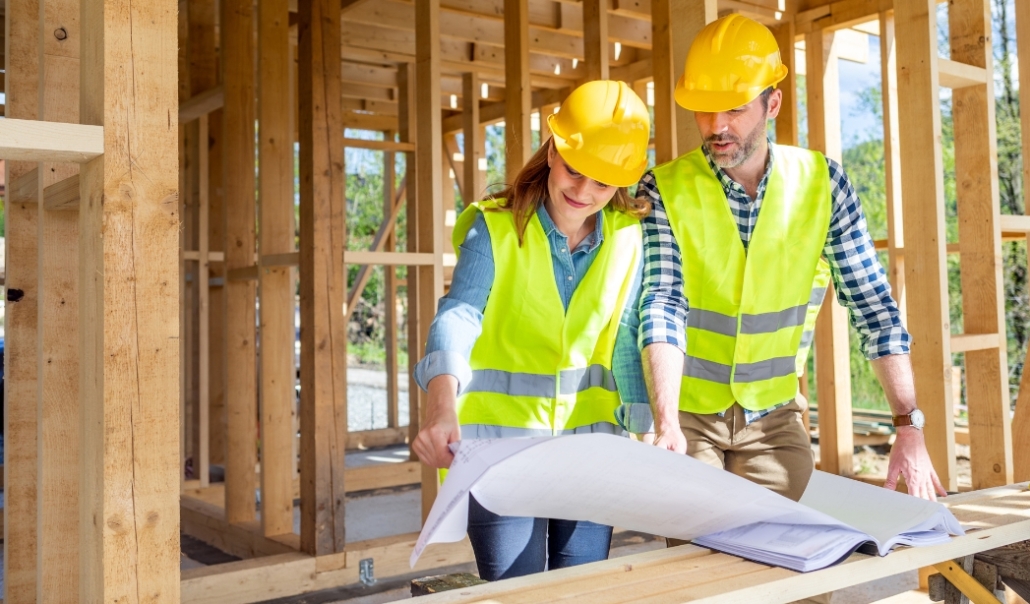
With your plans finalized and budget aligned, an important part of how to design a custom home is preparing for construction. This phase involves working with local authorities, confirming contracts, and ensuring your site and team are ready to break ground.
Navigating Permits and Local Approvals
Building a custom home in Virginia Beach requires coordination with local planning and zoning departments. This includes:
- Building permits: Structural, electrical, plumbing, and mechanical approvals
- Zoning compliance: Verifying setbacks, lot coverage, and height restrictions
- Environmental reviews: Required for coastal, floodplain, or protected areas
- HOA approvals: If applicable, community design guidelines may apply
Delays often occur when drawings are incomplete or code requirements are overlooked. At RBC Homes, we handle the permitting process in-house, streamlining approvals and minimizing back-and-forth with regulators.
Choosing the Right Builder or Contract Type
At this stage, you’ll finalize who will build your home. You have two main paths:
- General contractor: You hire a separate architect and builder, then coordinate between them.
- Design-build firm: One team handles design, budgeting, and construction from start to finish.
Choosing a design-build approach like RBC Homes’ can simplify communication, reduce risks, and improve budget control, since every decision is made with buildability in mind.
You’ll also need to agree on a contract type:
- Fixed-price contract: You pay a set amount for a defined scope. Good for cost certainty.
- Cost-plus contract: You pay actual costs plus a fee. Offers flexibility, but less budget predictability.
- GMP (Guaranteed Maximum Price): A hybrid model that caps your spending while allowing for some cost adjustments.
Work with your builder to choose the contract structure that fits your goals and risk tolerance.
Pre‑Construction Checklist
Before ground is broken, the project team will work through a pre-construction checklist to ensure everything is ready. Key items include:
- Site logistics: Dumpster and material staging, fencing, erosion control
- Construction schedule: Confirm critical path, milestones, and subcontractor timelines
- Procurement: Order long-lead materials (windows, specialty systems) early to avoid delays
- Utility coordination: Temporary water, power, and access must be arranged
- Final plan review: Ensure all documents, permits, and specs are in sync
This prep work ensures a smoother construction phase, and fewer costly surprises.
7. Construction and On‑Site Management
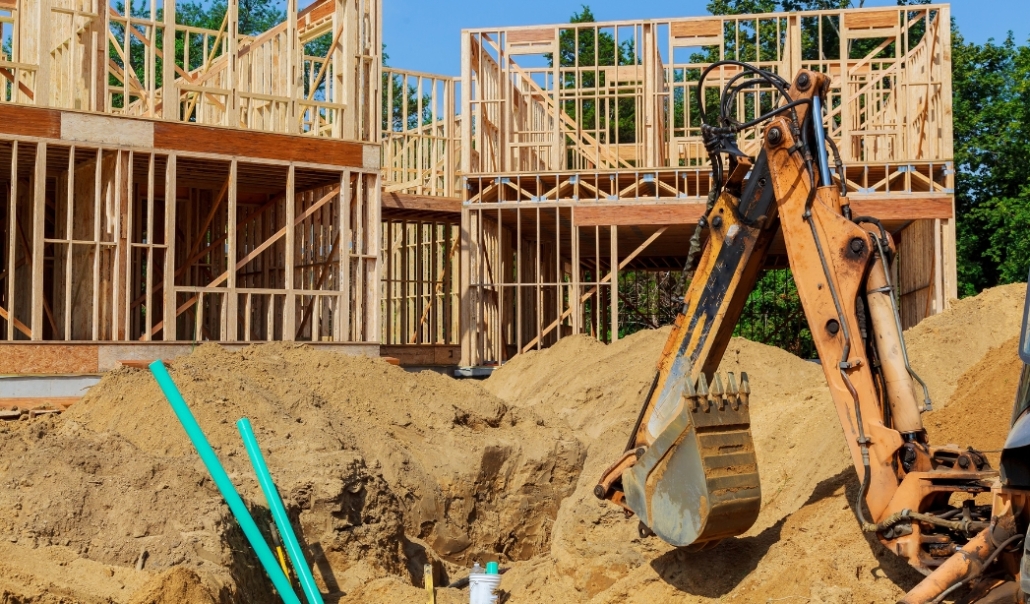
With permits in hand and the site prepared, construction officially begins. This is the most visible phase—where your design becomes a physical reality. It’s also where project management, communication, and quality control play a critical role.
What Happens During Construction
Custom home construction generally follows these key stages:
- Groundworks: Site excavation, grading, utilities installation, and foundation pour
- Framing: Structural framing, roof trusses, and sheathing go up, defining the home’s shape
- Systems installation: Rough-ins for plumbing, electrical, HVAC, and smart home systems
- Inspections: Local inspectors verify each system for code compliance before closing walls
- Exterior finishes: Roofing, siding, windows, and doors are installed
- Interior finishes: Drywall, flooring, cabinetry, tile, fixtures, and paint complete the interior
At RBC Homes, our build process follows a detailed construction schedule with coordinated trade partners and regular checkpoints to keep work on track and on spec.
How to Stay Involved During the Build
Even if you’re not managing the day-to-day, staying involved helps ensure the final result matches your expectations. Best practices include:
- Scheduled site visits: Walk the site at major milestones (framing, pre-drywall, finishes)
- Regular updates from your builder: Photos, reports, and progress summaries
- Clear communication channels: Know who to contact for questions or decisions
- Decision tracking: Stay on top of finish selections, change orders, and approvals
When learning how to design a custom home, working with a design-build firm like RBC Homes gives homeowners a single point of contact and transparent updates throughout construction.
Avoiding Common Issues: Delays, Cost Creep, Quality Control
Even the best-managed projects can face challenges. Here’s how to avoid the most common:
- Delays: Pre-order materials with long lead times, schedule trades efficiently, and avoid last-minute design changes
- Cost overruns: Stick to your selections, track changes closely, and review budget updates regularly
- Quality concerns: Work with vetted trades, conduct walkthroughs at key stages, and document any issues early
A proactive builder and engaged homeowner make a strong team. At RBC Homes, we prioritize clear scheduling, detailed craftsmanship, and open communication to deliver a smooth building experience
8. Handover, Move‑In & Aftercare
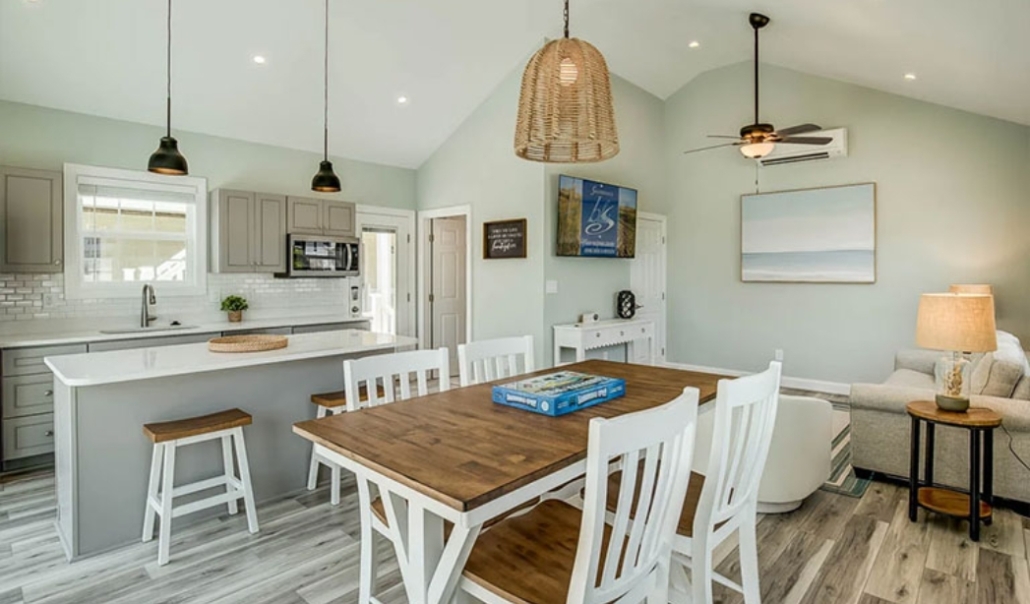
Understanding how to design a custom home means knowing that the process doesn’t end when construction wraps. The final phase ensures every detail is finished, every system works as intended, and your new home is ready to live in and love for years to come.
Final Walkthrough, Snagging, and System Commissioning
Before handover, your builder will walk you through the finished home to inspect:
- Snagging list: A checklist of small issues (paint touch-ups, alignment, finishes) to be corrected
- System commissioning: Verifying that HVAC, plumbing, electrical, appliances, and smart systems operate correctly
- Documentation: Delivery of manuals, warranties, and maintenance instructions
At RBC Homes, this quality control step is built into our closeout process to ensure no detail is overlooked before move-in.
Move‑In and Living in Your Custom Home
Coordinating move-in requires planning and protection:
- Schedule your move once all work is signed off
- Activate utilities and services ahead of occupancy
- Use protective coverings during furniture delivery
- Allow time to settle in and test how your home flows
This is when your vision becomes real, walk the hallways, enjoy the views, and experience the spaces you’ve thoughtfully designed.
Maintenance and Modifications: Keeping the “Custom” Alive
Even a brand-new home needs ongoing care. Maintain performance and value by:
- Following a routine maintenance schedule (HVAC service, caulking, exterior checks)
- Documenting updates, repairs, or minor changes over time
- Planning future enhancements to unfinished or flex spaces
Your custom home is meant to evolve. A well-designed layout will adapt to future needs, whether that means converting a guest suite, adding solar panels, or finishing a bonus room.
Reflecting on the Original Vision
Take time to revisit your design brief. Ask yourself:
- Does the home support your lifestyle, now and in the years ahead?
- Were your core design priorities achieved?
- Did the final result stay on track with your budget and timeline?
If the answer is yes, you’ve done more than build a house, you’ve created a home that’s uniquely yours.
Mistakes, Pitfalls & Pro Tips from Real Builds
Knowing how to design a custom home means understanding both the rewards and the risks. It’s one of the most complex projects you’ll take on, and even experienced homeowners can fall into common traps that cost time, money, and peace of mind. Learning what to avoid is just as important as knowing what to do.
Top 10 Mistakes Homeowners Make on Custom Builds
- Starting without a clear brief
- Underestimating the total budget
- Choosing the wrong lot for their goals
- Skipping due diligence on the site
- Over-customizing without considering resale
- Choosing a builder too late
- Rushing the design process
- Making too many design changes during construction
- Not planning for storage and utility needs
- Failing to plan for aging or future flexibility
These mistakes are common, but avoidable. The key is preparation, communication, and working with an experienced design-build team like RBC Homes. With the right process and guidance, your custom build can be smooth, efficient, and deeply rewarding.
Frequently Asked Questions (FAQ)
Designing your own home can save on architect fees, but it often leads to hidden costs if plans are incomplete or don’t meet local codes. Working with an experienced design-build firm helps avoid costly redesigns and ensures the plans are buildable from the start.
Yes, there are free online tools like RoomSketcher, Floorplanner, and HomeByMe that let you draft simple layouts. These are great for exploring ideas, but a professional designer is essential for turning concepts into construction-ready plans.
The most cost-effective custom builds use simple forms, efficient layouts, and readily available materials. Building on a flat lot, limiting custom features, and avoiding changes during construction will also help keep costs down.
Customizing your home starts with a design brief. Identify your lifestyle needs, choose finishes and layouts that reflect your taste, and work with a builder who can translate your vision into reality, while managing costs and technical details.
The 3-5-7 rule is a design principle that suggests using groupings of 3, 5, or 7 items (like pillows or art) to create visual balance and interest. Odd numbers help prevent symmetry from feeling too rigid or predictable.
This rule recommends using 70% of one dominant style or color and 30% of a contrasting or accent style. It’s often applied to mix modern and traditional elements in a balanced, intentional way.
Conclusion
Designing a custom home is more than a project, it’s a personal journey. With thoughtful planning and the right team, each phase brings you closer to a home built around your life, your goals, and your future.
From site evaluation to final walkthrough, this guide has outlined how to design a custom home with clarity and confidence. If you’re ready to take the next step, RBC Homes is here to guide you through every stage of the process. Contact RBC Homes to begin your custom home journey in Virginia Beach.